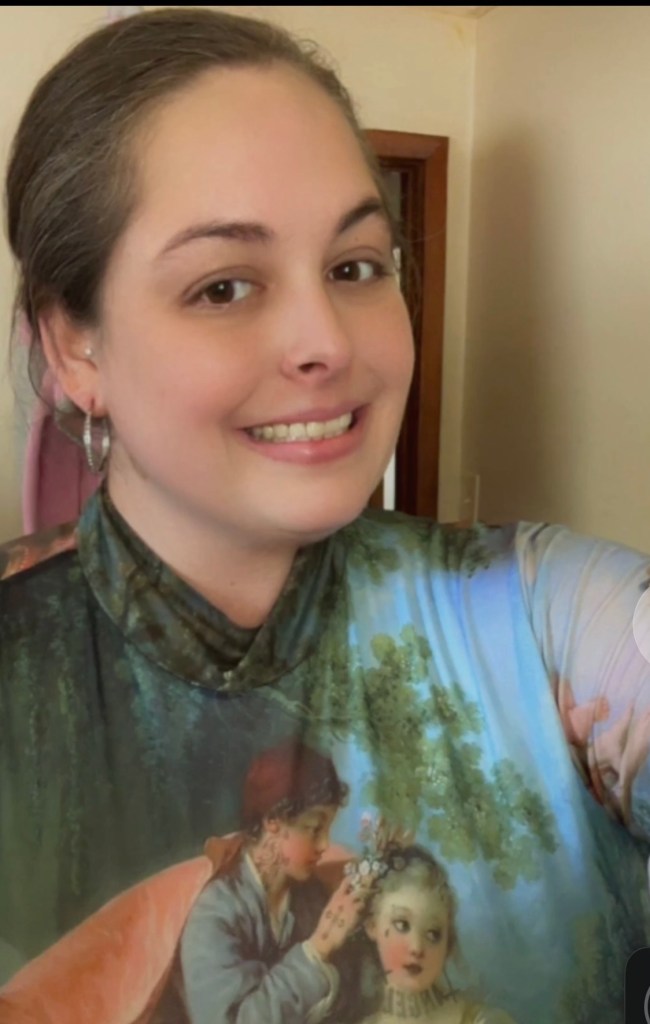
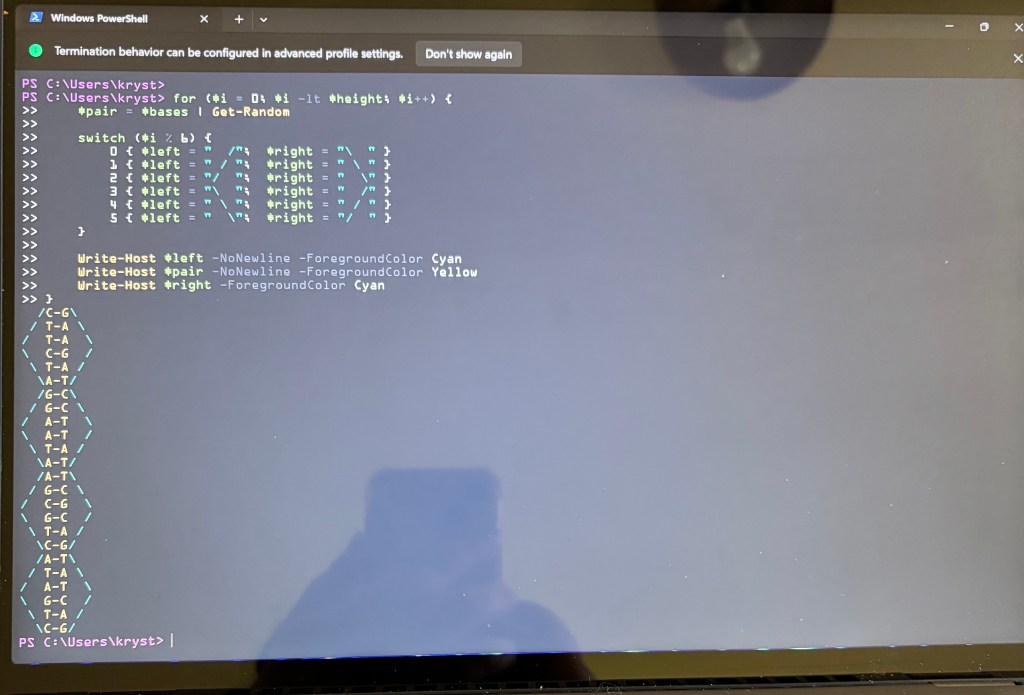
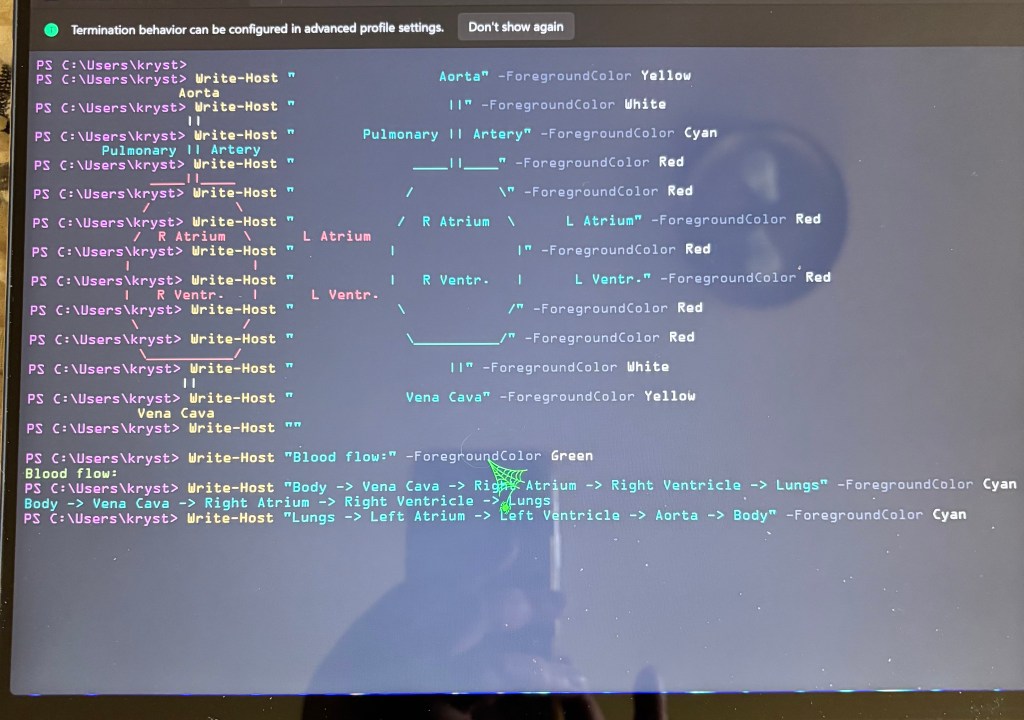
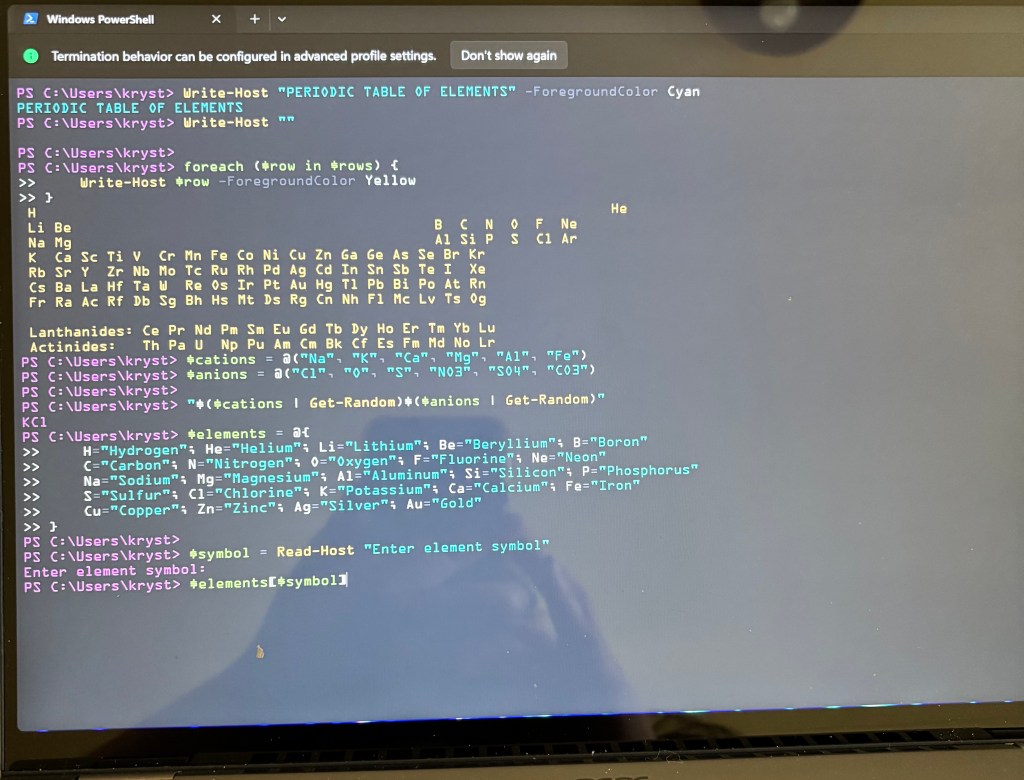
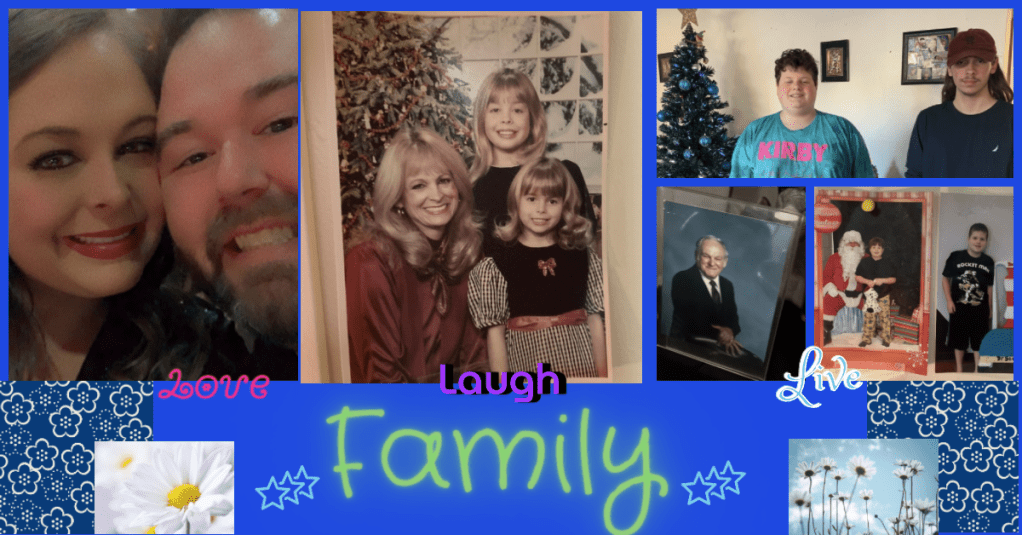
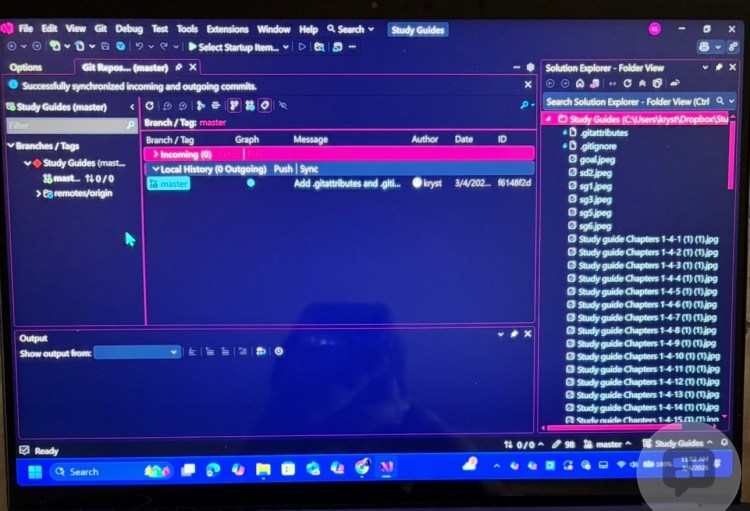
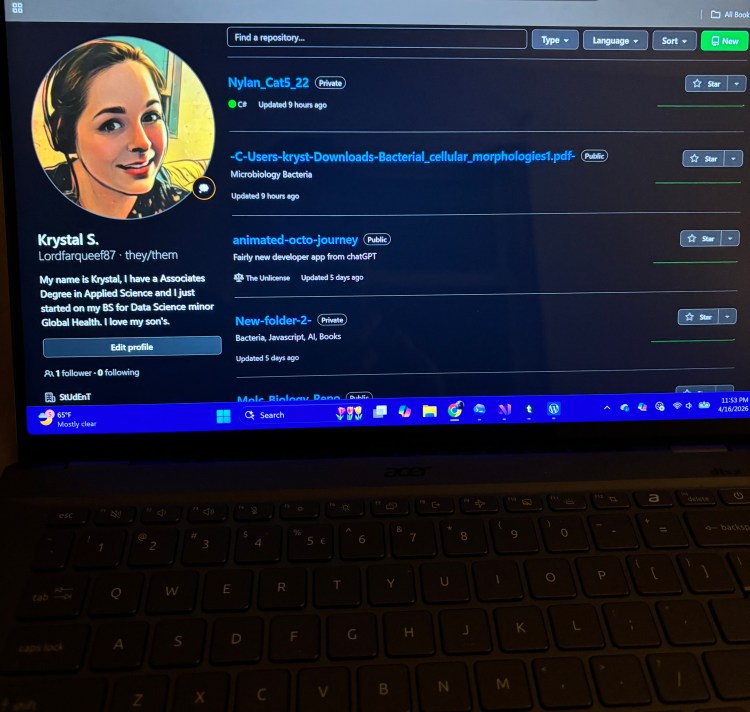
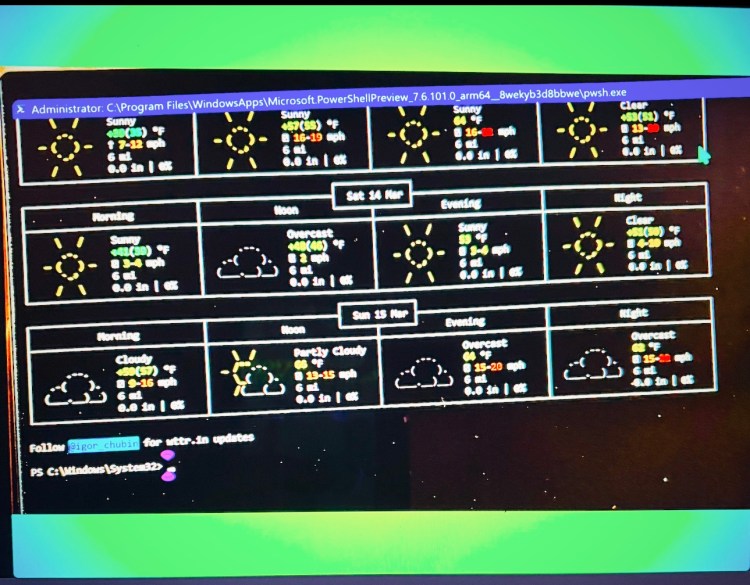
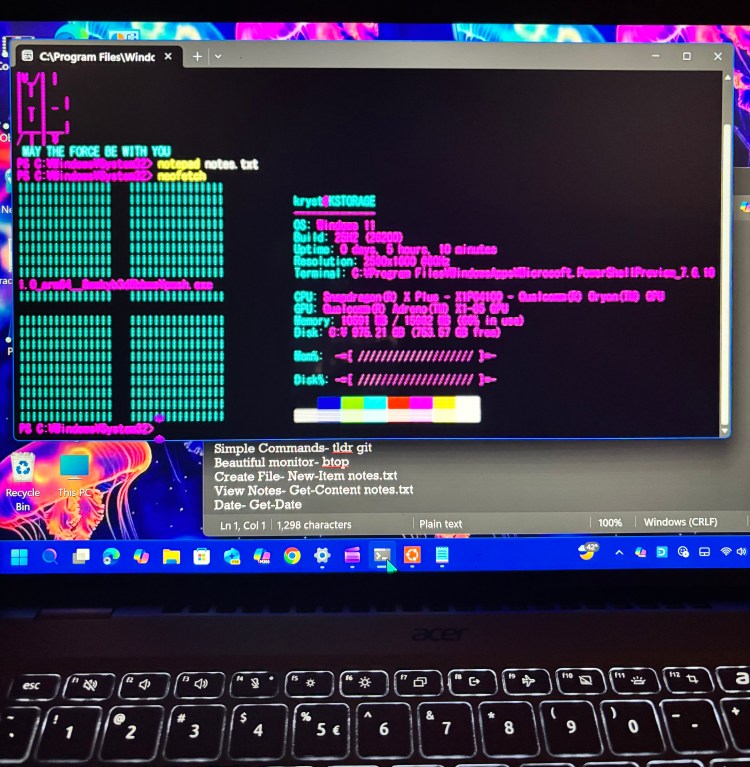
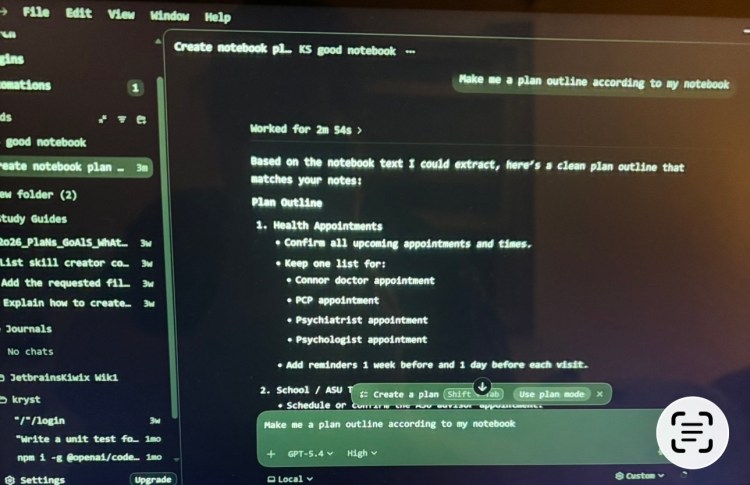
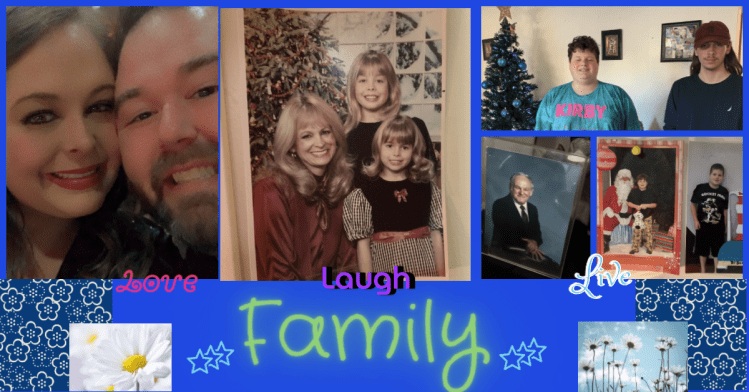
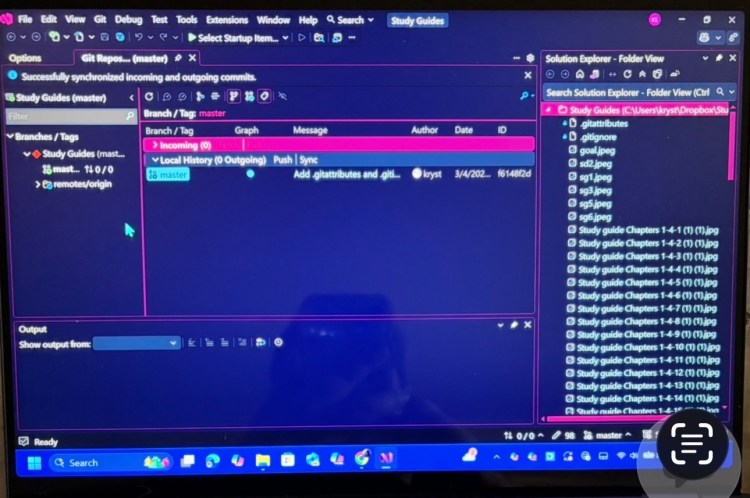
My name is Krystal, I have two certifications in Medical Assisting and Medical Coding. I just got my Associates Degree in Applied Science. I am now working on my Bachelors of Science in Data Science with a minor in Global Health. I have two wonderful sons and boyfriend. I enjoy knitting, reading, making things out of polymer clay and resin and making repository’s with Visual Studios and GitHub. I also enjoy using Codex for Study Guides/ Notes ect. I love antiques, vintage and retro items. I like blogging on Tumblr and spending time with my family. I enjoy working with Visual Studios, Github, Codex, Powershell and NotepadXX.
whale tutorial 1.docx This is the simpler original whale tutorial. It includes: whale tutorial 1 enhanced.docx This is the expanded, more polished version. It includes everything needed for a clearer tutorial layout and stronger visual guidance: Overall, the original file is a basic written tutorial, while the enhanced file is a more complete guide with…
My user page on Wikipedia Images 1-17 Wikipedia is a free online encyclopedia that anyone can read and improve. Wikipedia user pages let contributors share basic information about themselves and their editing interests. A sandbox is a practice space where users can test edits before publishing them. Kiwix lets people download and use Wikipedia offline…
My Study Guide Library Purpose This study guide library organizes your website, blog ideas, school interests, documents, and personal learning topics into one clear reference. It can be used as a page for your website, a Notion database outline, or a study hub for school, coding, science, writing, and creative projects. Main Categories Category What…
Lego Sets My son has been putting together Lego Sets since he was little, here is just some of them. He has put together so many more, but would end up taking them apart.
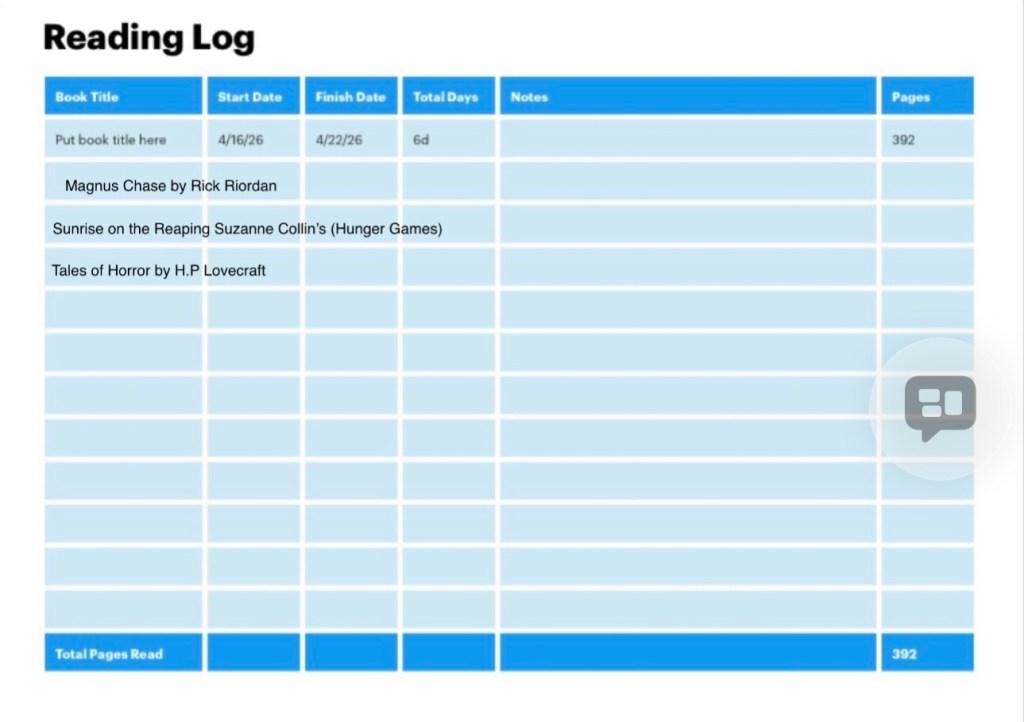
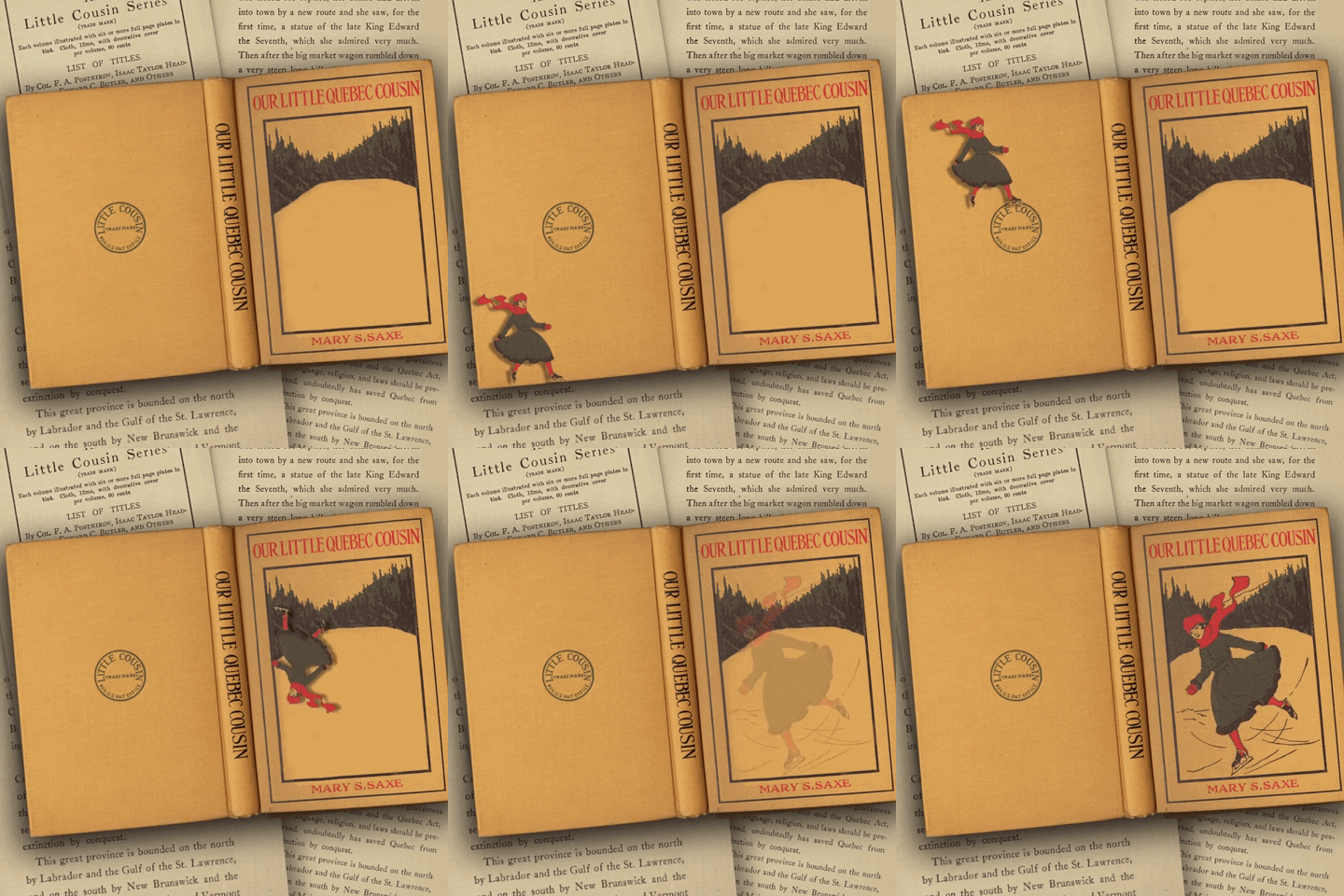
Writing and reading are important parts of your interests because they help you express your ideas, organize your thoughts, and keep learning. Your website shows that you enjoy books, classic novels, vocabulary, blogging, and “Word of the Week” style language posts. Reading gives you new ideas and helps you build knowledge, while writing lets you share your personality, reflect on what you are learning, and turn your thoughts into something creative and meaningful.
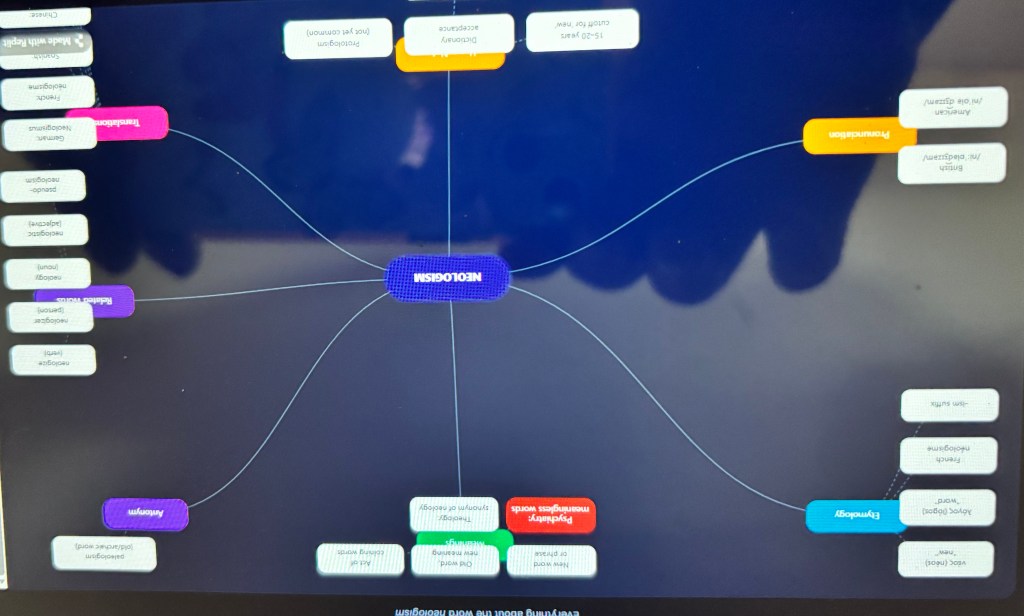
Word: neologism Noun (linguistics) A word or phrase which has recently been coined; a new word or phrase. Noun (linguistics) The act or instance of coining, or uttering a new word. Noun (psychiatry) The newly coined, meaningless words or phrases of someone with a psychosis, usually schizophrenia.
Etymology— Greek roots (néos + lógos), French origin, and the -ism suffix
Meanings— all 5 definitions including linguistics, psychiatry, and theology uses
Pronunciation — British and American IPA
Antonym— paleologism
Translations — German, French, Spanish, Chinese, Japanese, Russian, Arabic and more
Usage Notes — the 15–20 year rule, dictionary acceptance, and the mooseling anagram
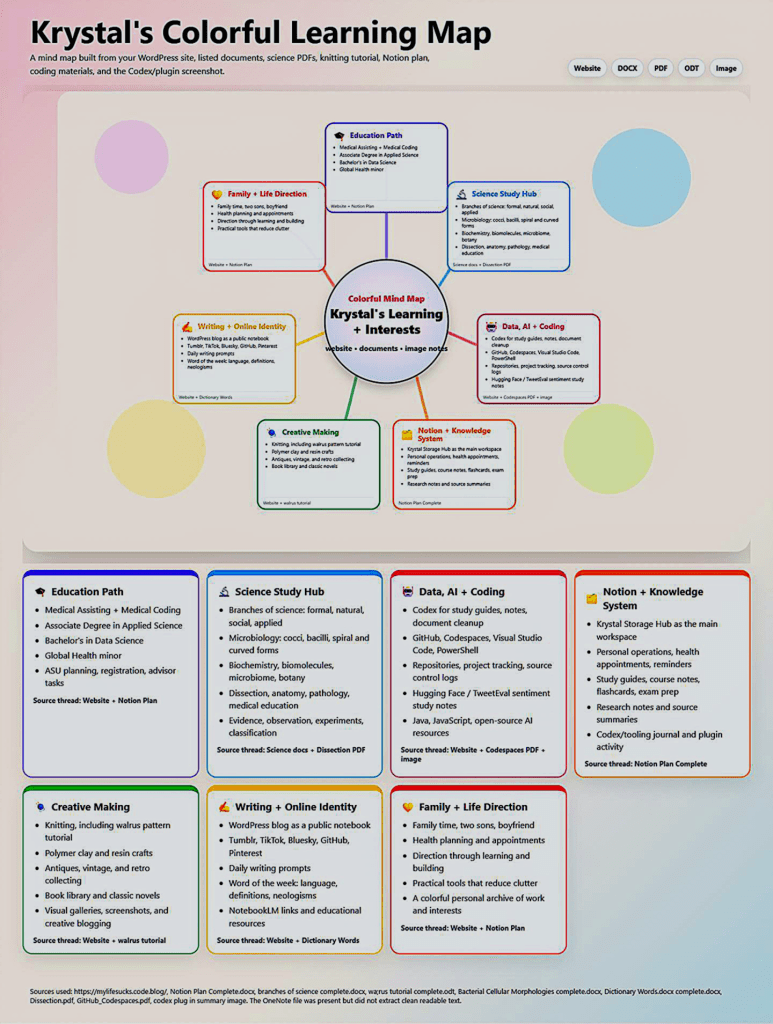
This document is a colorful learning mind map that organizes your website, documents, and interests into clear categories. It centers on Krystal’s Learning + Interests and branches into Education Path, Science Study Hub, Data/AI/Coding, Notion + Knowledge System, Creative Making, Writing + Online Identity, and Family + Life Direction. It shows your main academic interests in medical assisting, medical coding, data science, global health, microbiology, anatomy, and science, while also including your personal interests like knitting, crafts, books, blogging, vocabulary, family, and organization tools such as Notion, Codex, GitHub, and NotebookLM
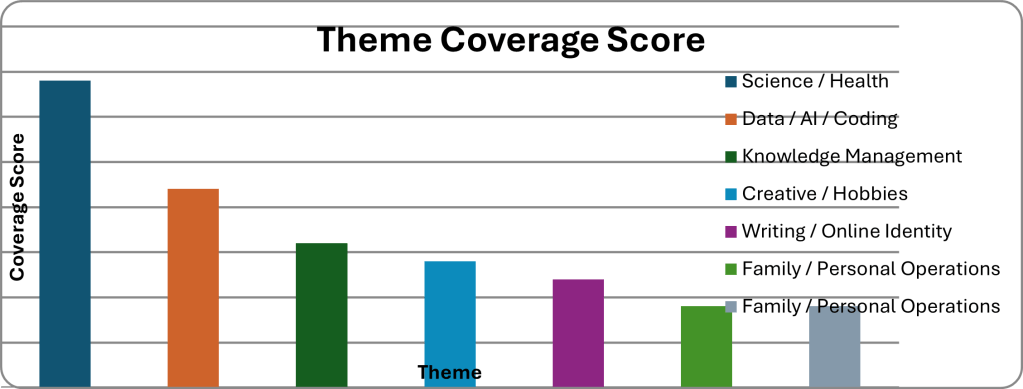
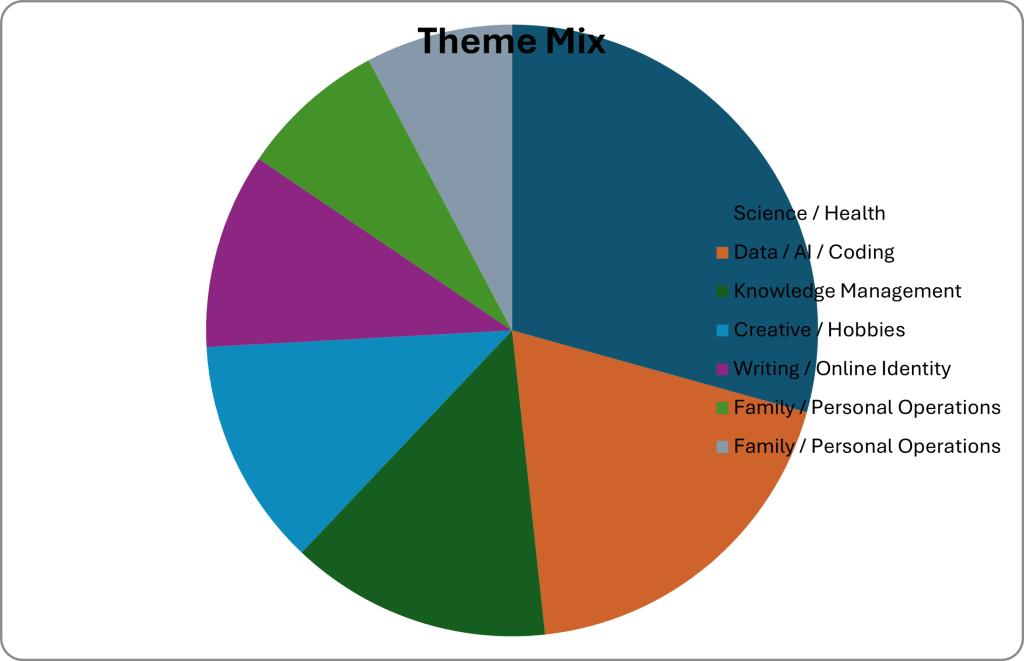
My Skill Coverage📊
These charts summarize the main themes in your website and study materials. Science/Health has the strongest coverage, showing that topics like microbiology, anatomy, dissection, and health are your biggest focus. Data/AI/Coding is the second strongest area, followed by Knowledge Management, which includes tools like Notion, NotebookLM, and study organization. The smaller sections show your creative hobbies, writing/online identity, and family/personal life, making the overall document a balanced picture of your learning, interests, and personal goals.
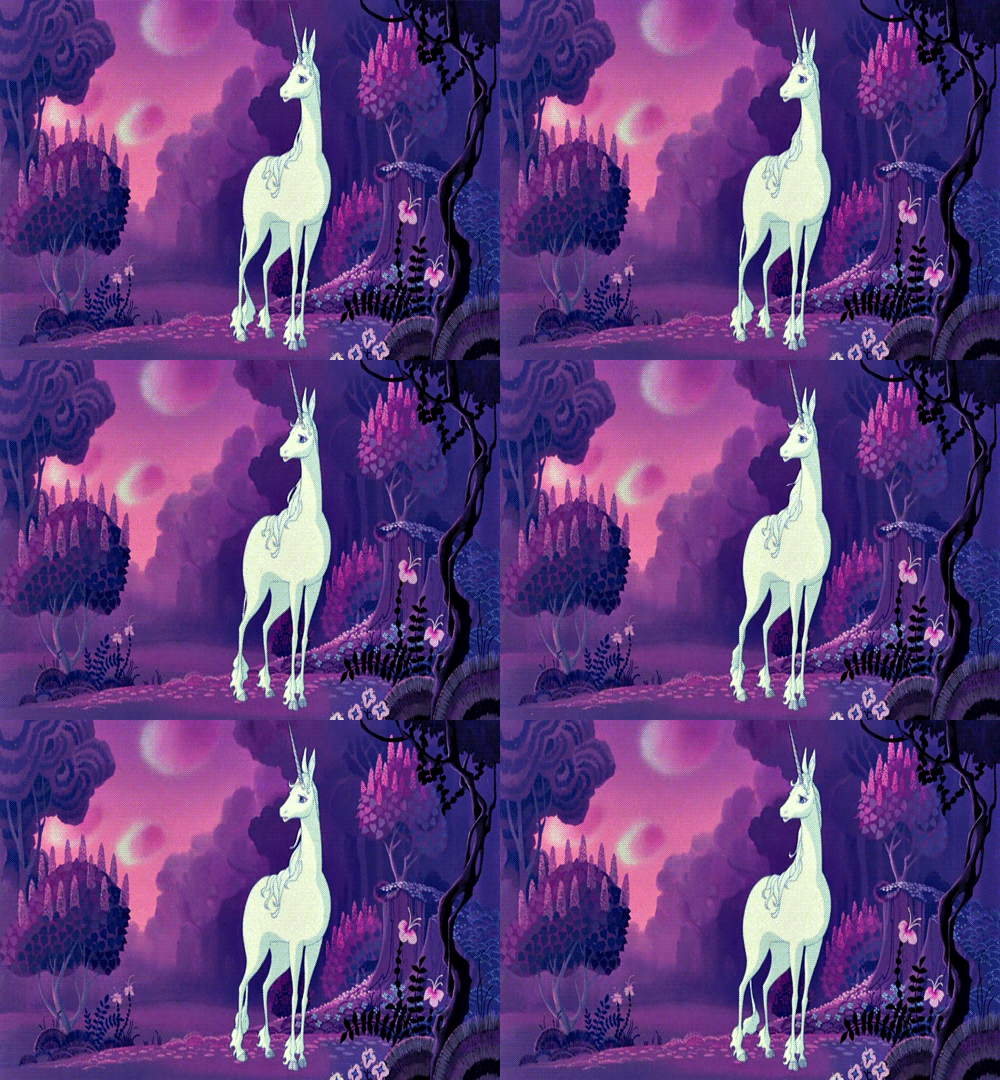
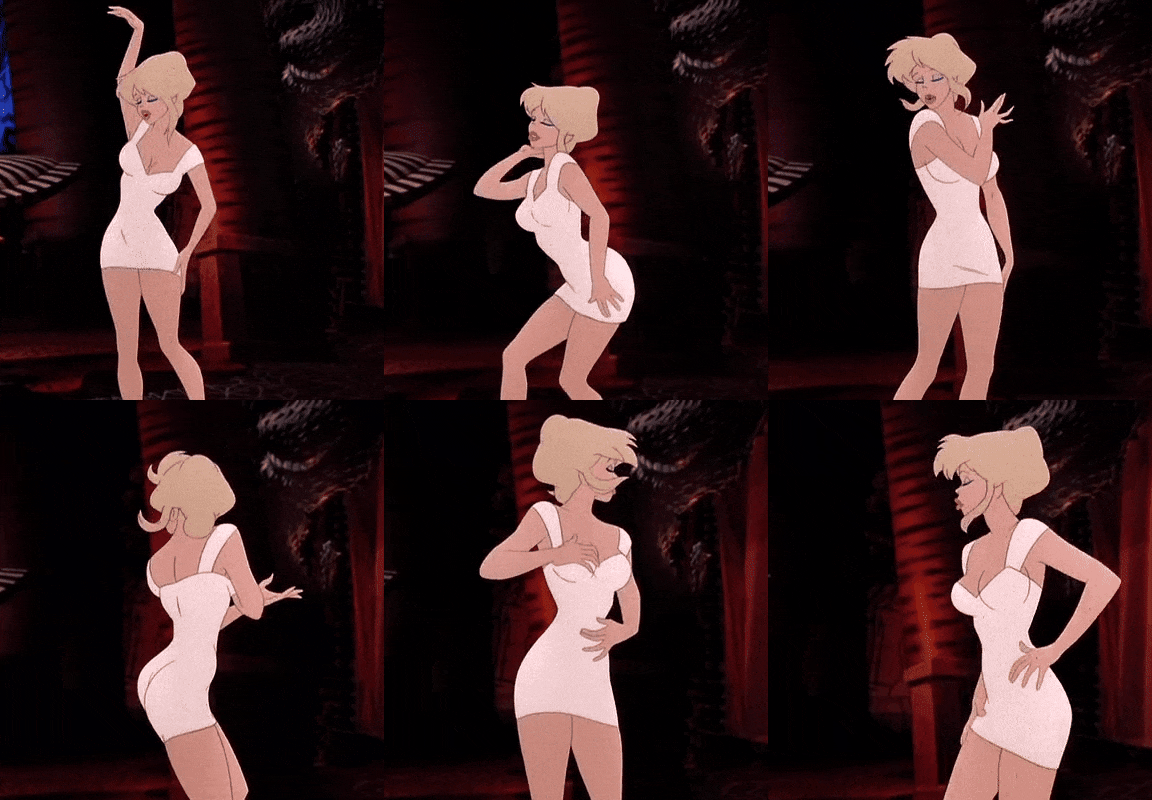
Music and movie interests show that you like creative, imaginative, and slightly unusual classics. Your music taste includes Grateful Dead, which suggests you enjoy music with a relaxed, experimental, jam-band style and a strong sense of community and nostalgia. For movies, you seem drawn to fantasy, adventure, comedy, and weird cult classics. The NeverEnding Story and The Dark Crystal show your love for magical worlds and emotional storytelling, while Back to the Future adds fun science fiction, time travel, and adventure. Little Shop of Horrors brings in dark comedy, music, and strange humor, and Gremlins fits with your interest in playful but spooky 1980s-style movies. Overall, your taste feels nostalgic, creative, quirky, and full of imagination.
Symbolic Math Diagrams📊
These charts/images connect math, science, and visual learning in a creative way.
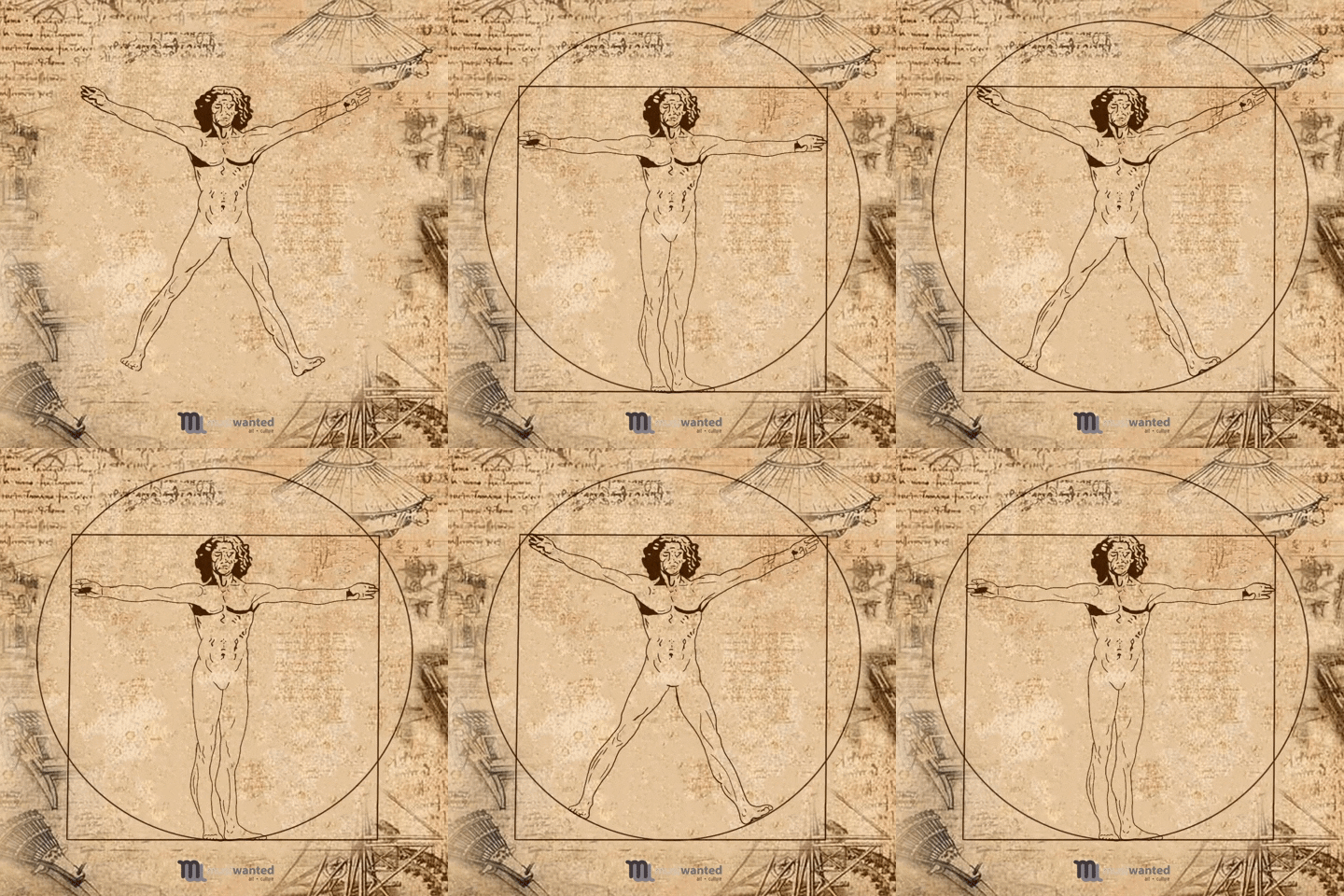
The first image is based on Leonardo da Vinci’s Vitruvian Man, which represents the connection between the human body, proportion, anatomy, art, and geometry. It shows how science and art can work together to explain balance, structure, and measurement.
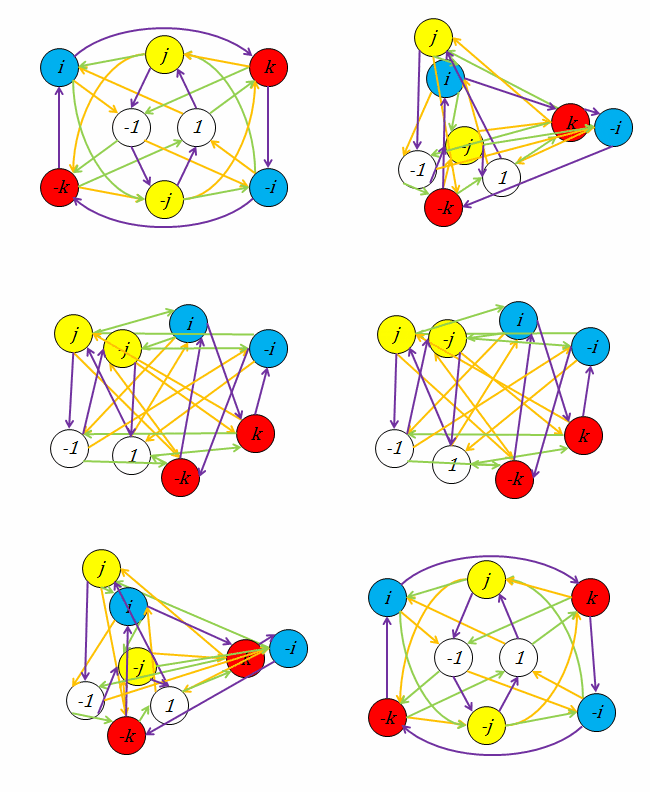
The second chart shows the complex number system using values like i, -i, j, -j, k, and -k. The arrows show relationships or transformations between these values, making it useful for understanding abstract math, direction, rotation, and how different imaginary units connect.
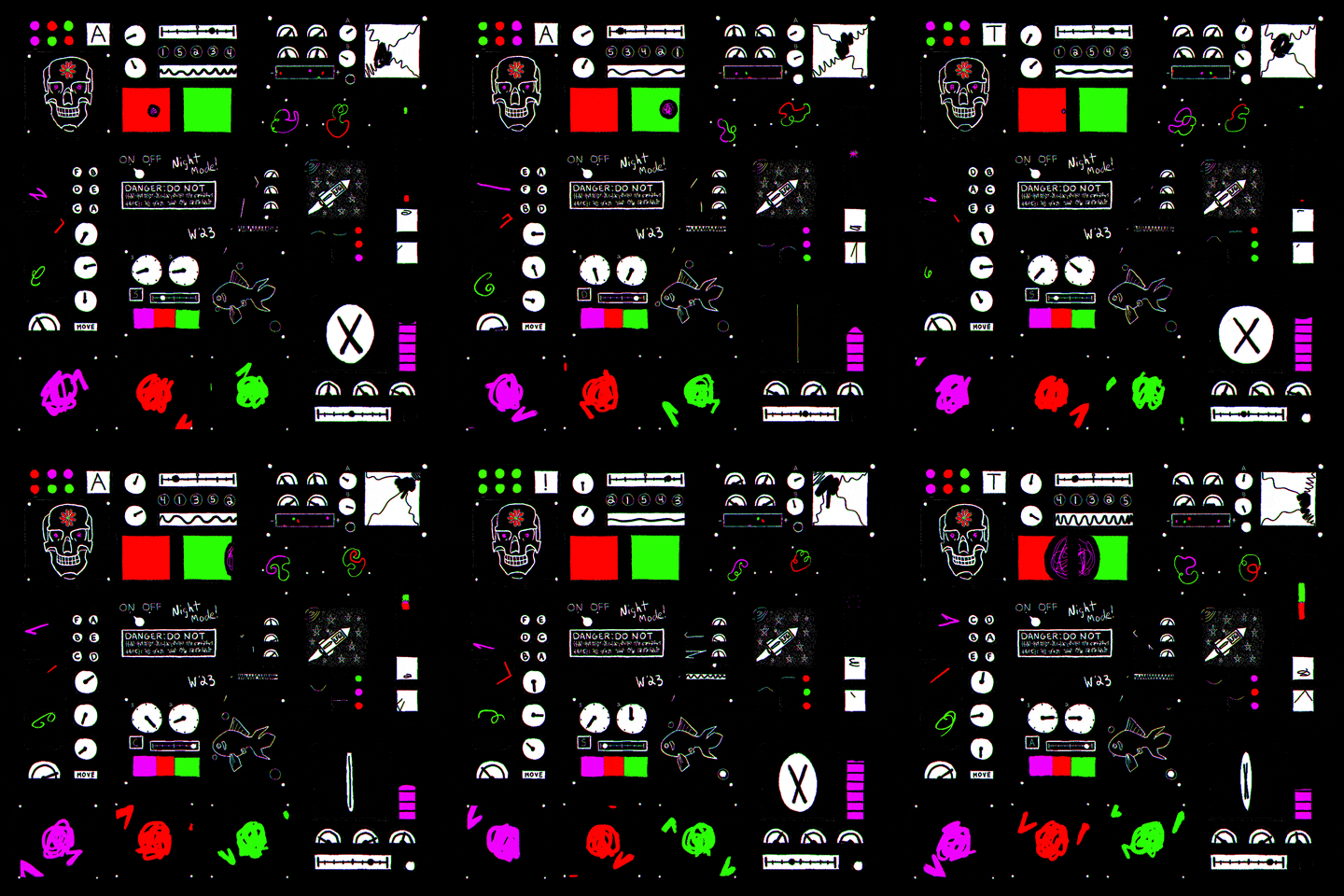
The third image looks like a moving symbolic math/logic chart. It uses simple shapes, lines, circles, and motion to suggest patterns, formulas, systems, or problem-solving steps. It feels like a visual way to represent thinking, equations, and hidden connections.
Overall, these visuals show an interest in anatomy, geometry, abstract math, patterns, symbols, and learning through diagrams
Historical/Vintage 📻
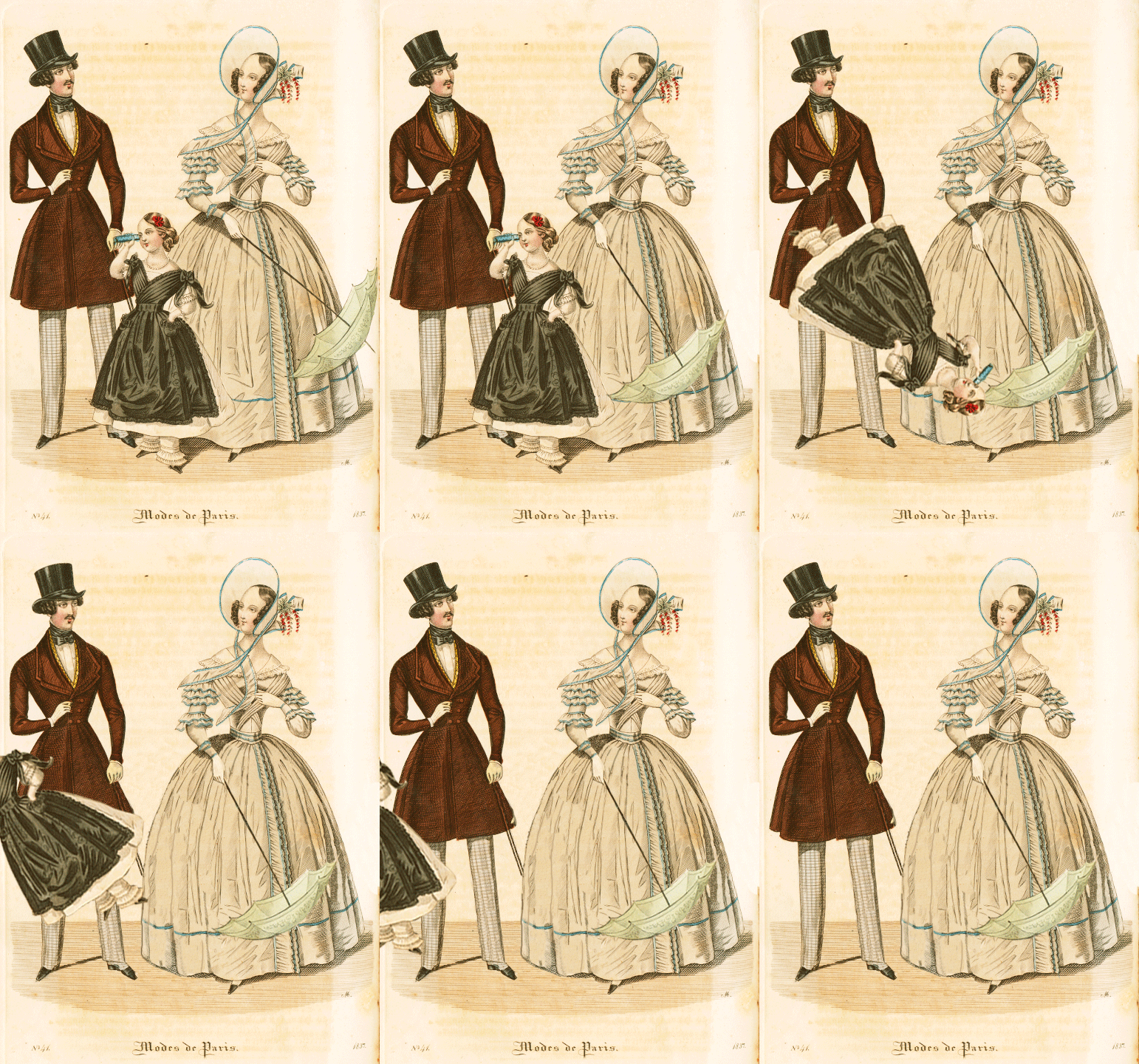
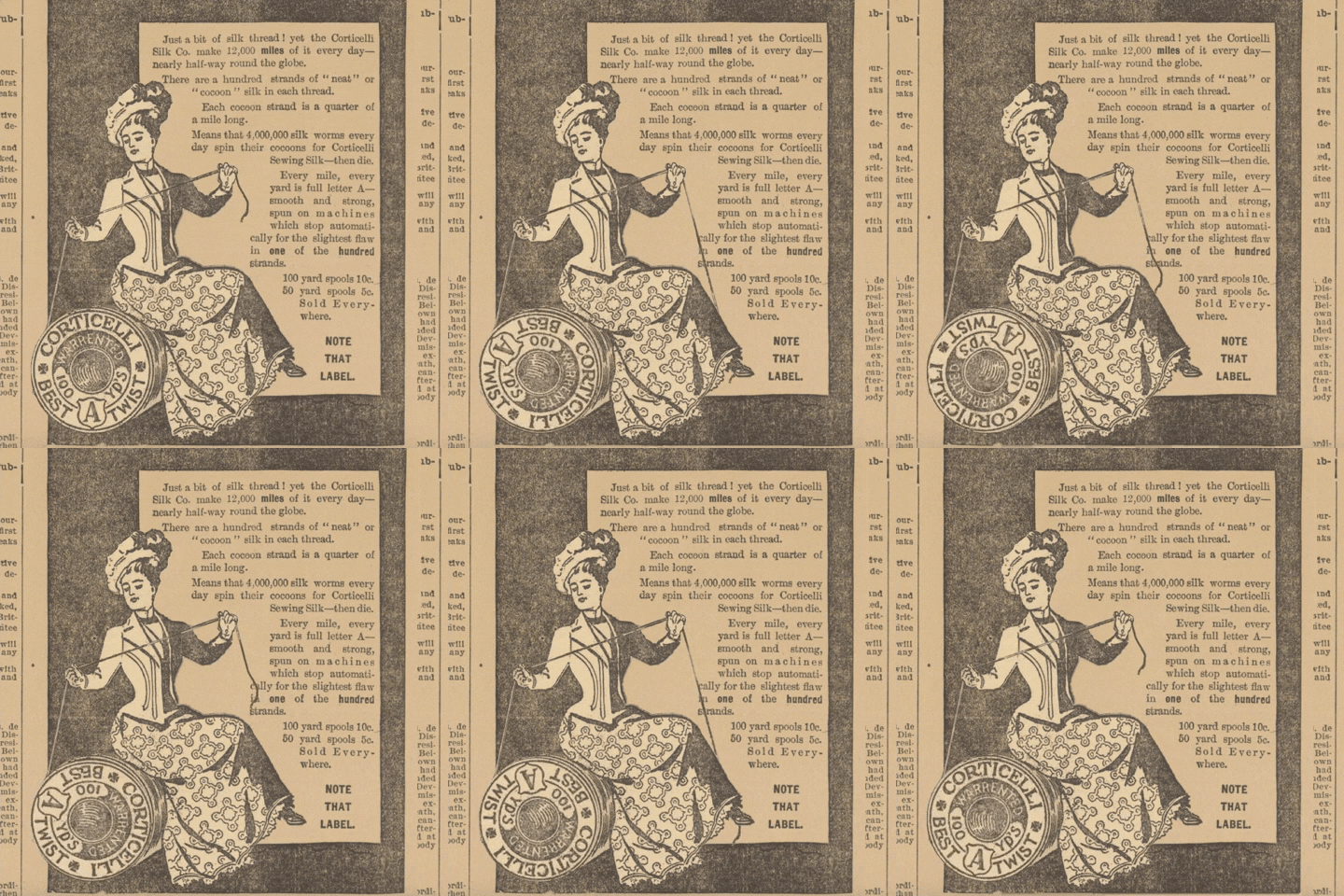
These photos have a strong vintage, historical, and artistic theme. They show interests in literature, fashion history, architecture, advertising, and magic.
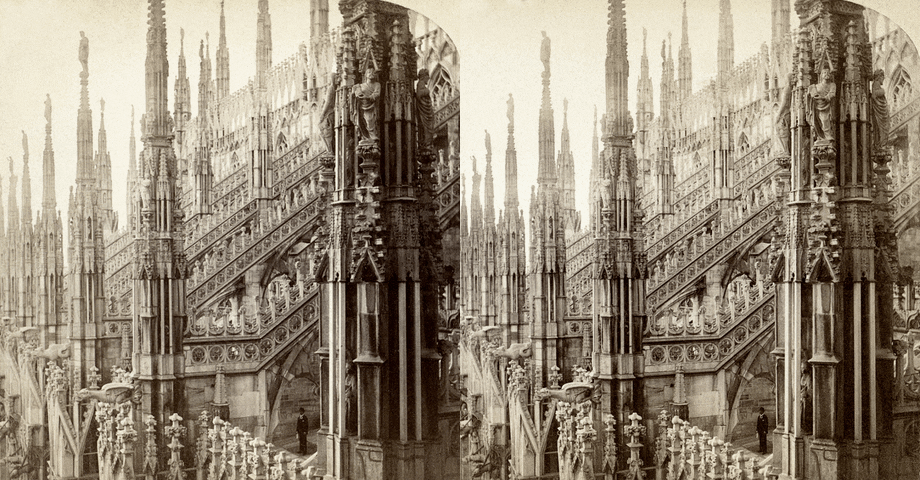
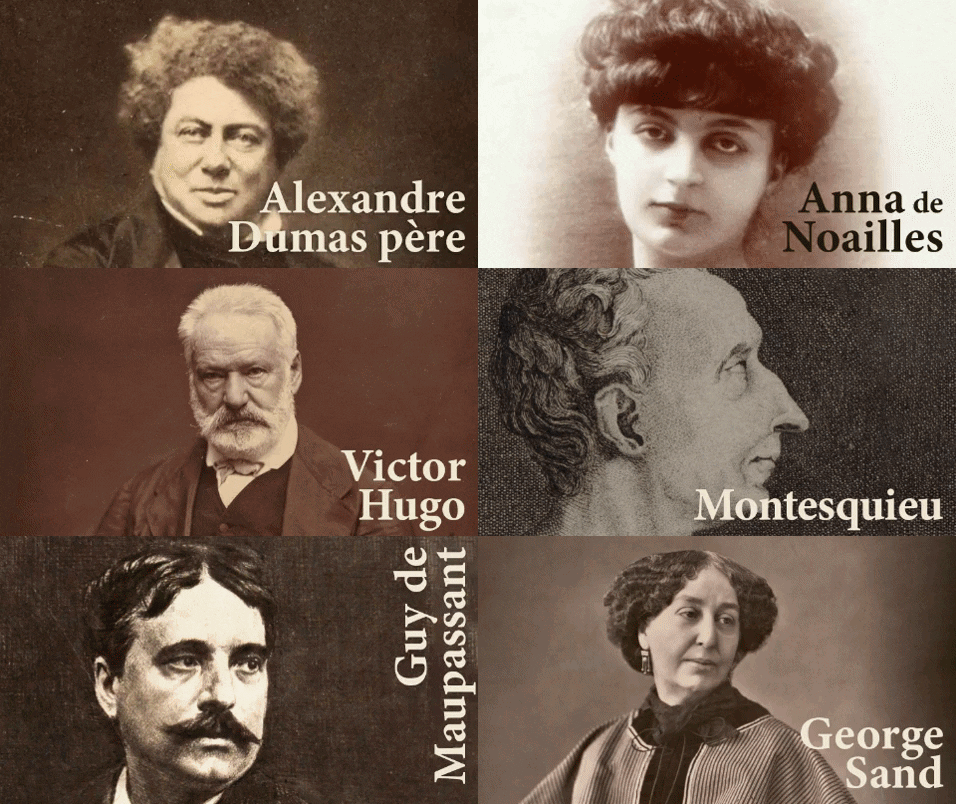
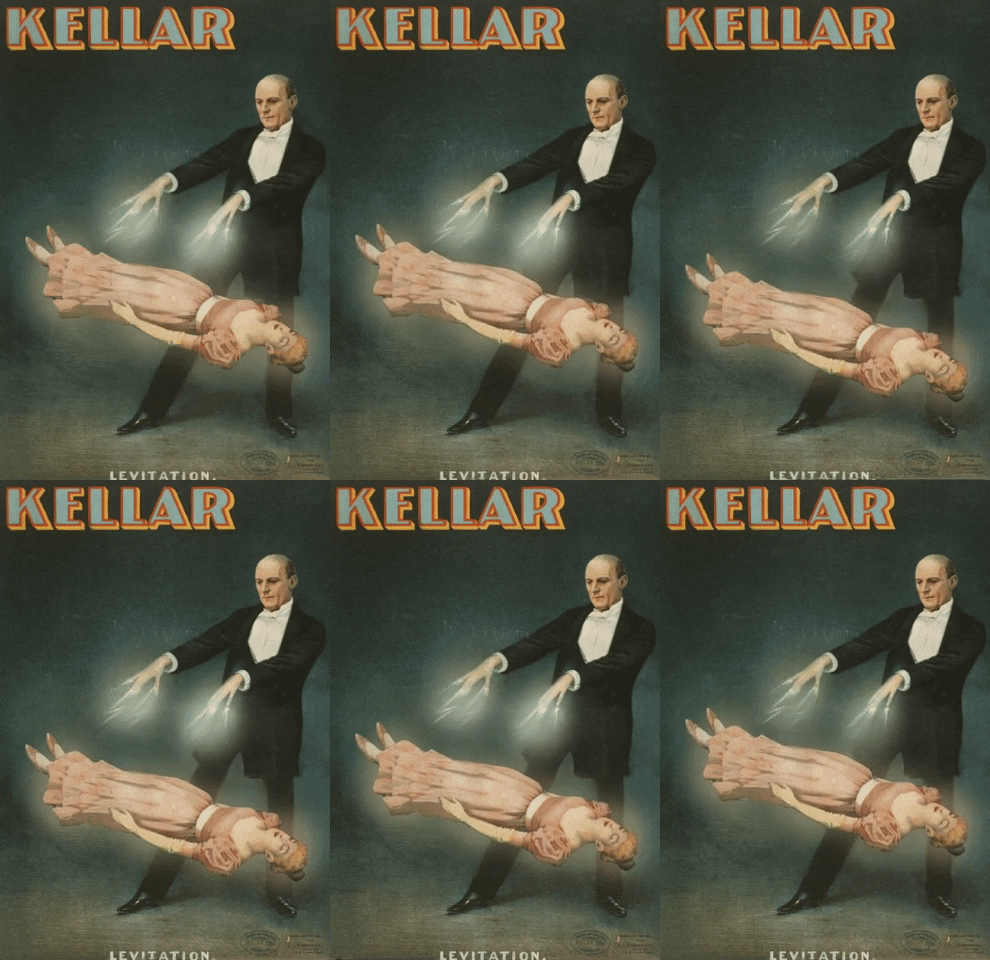
The first image features Alexandre Dumas père, the famous French author connected to classic literature and adventure stories. The second shows an old Corticelli silk thread advertisement, linking to sewing, textiles, and antique print design. The third image is a Paris fashion plate showing 1800s clothing and style. The fourth shows detailed Gothic architecture, likely a cathedral, with ornate towers and stone carvings. The fifth is a vintage Kellar levitation magic poster, showing stage illusion, theater, and old entertainment culture.
Overall, these images fit a love of classic books, antiques, fashion, historical design, architecture, and mysterious vintage artwork.
Summary: Study Guide Library 📗
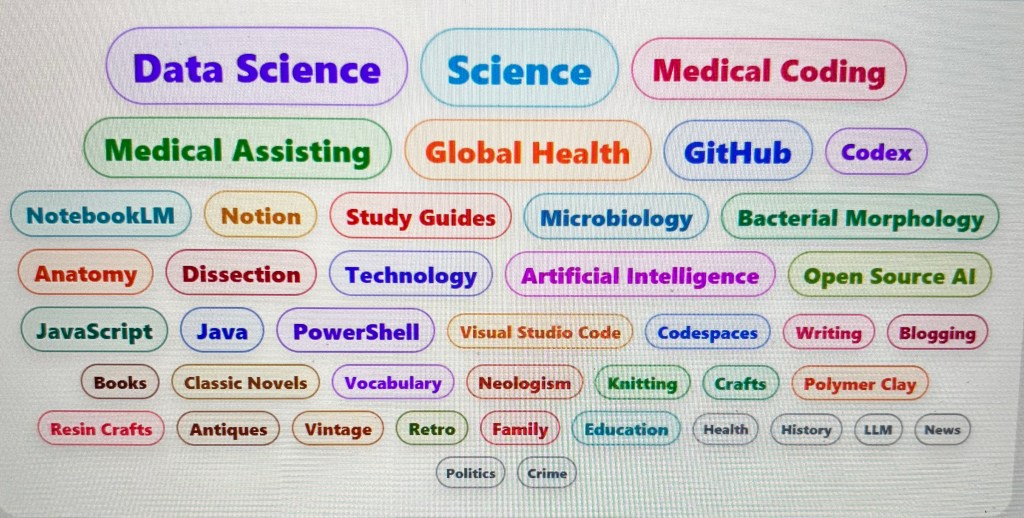
The document is a Study Guide Library that organizes your website, school interests, documents, and personal learning topics into one hub. It covers major sections like Education and Career, Science and Health, Data/AI/Coding, Knowledge Organization, Writing and Reading, Creative Projects, and Personal Life/Growth.
The strongest themes are Data Science, Global Health, Medical Coding, Medical Assisting, microbiology, anatomy, dissection, science study guides, GitHub, Codex, Notion, and NotebookLM. It also includes website tag ideas, page ideas, a four-block timeline, and a study map. Overall, the document presents your website as a colorful personal learning center for school, science, coding, writing, reading, creativity, and family life.
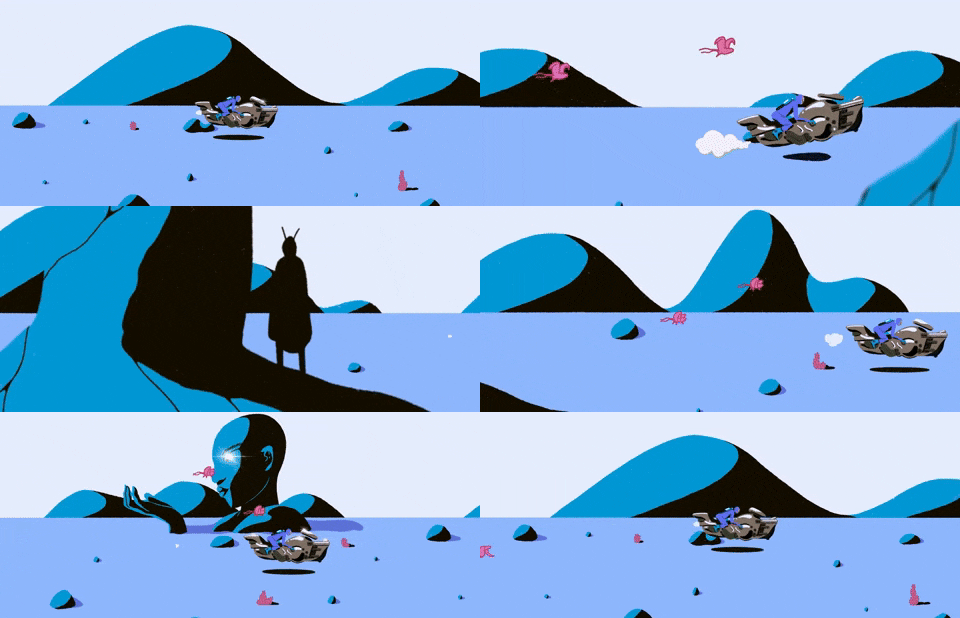
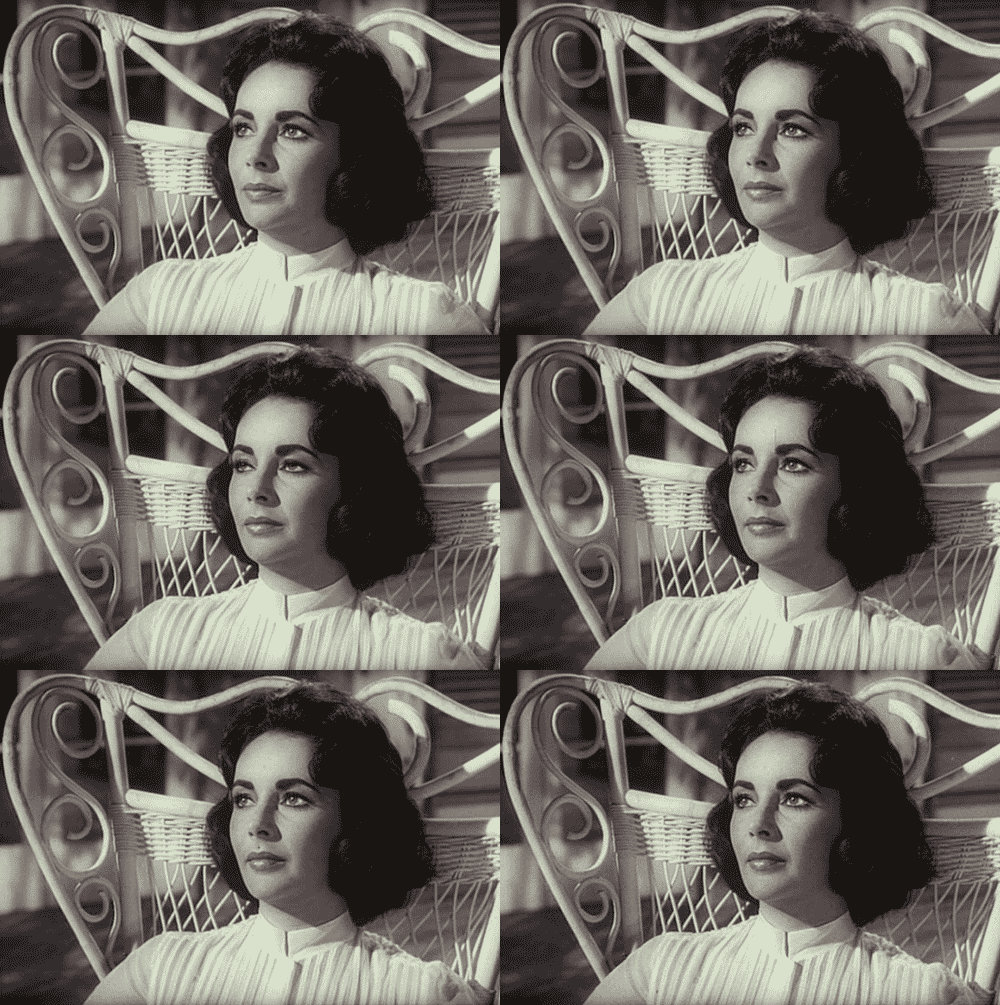
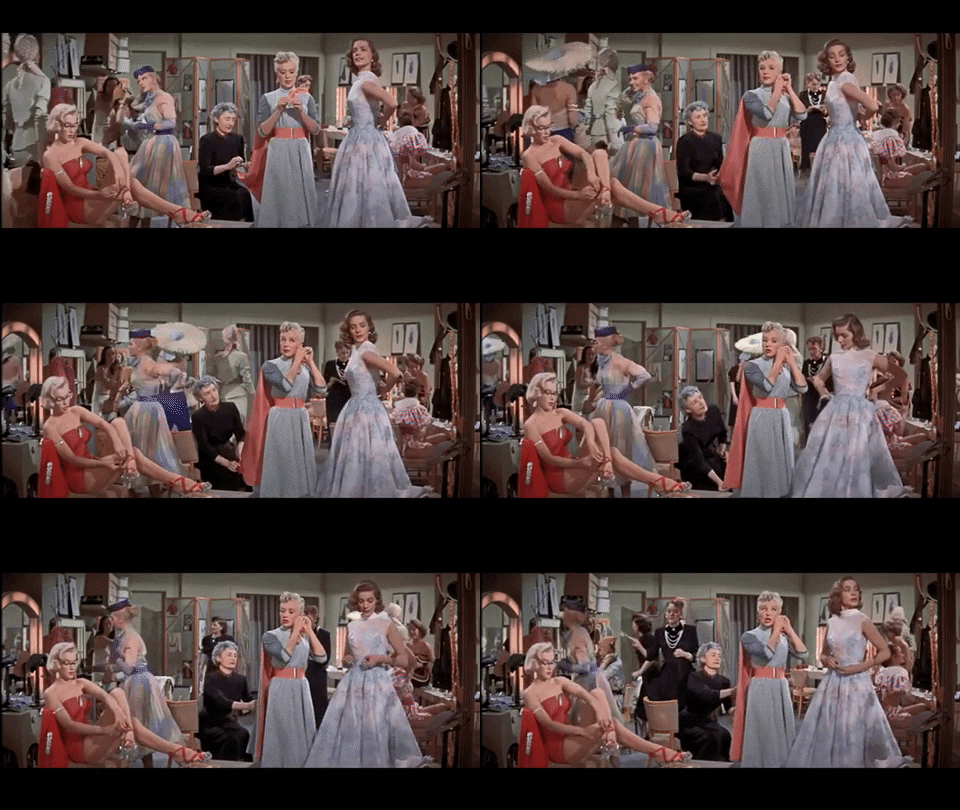
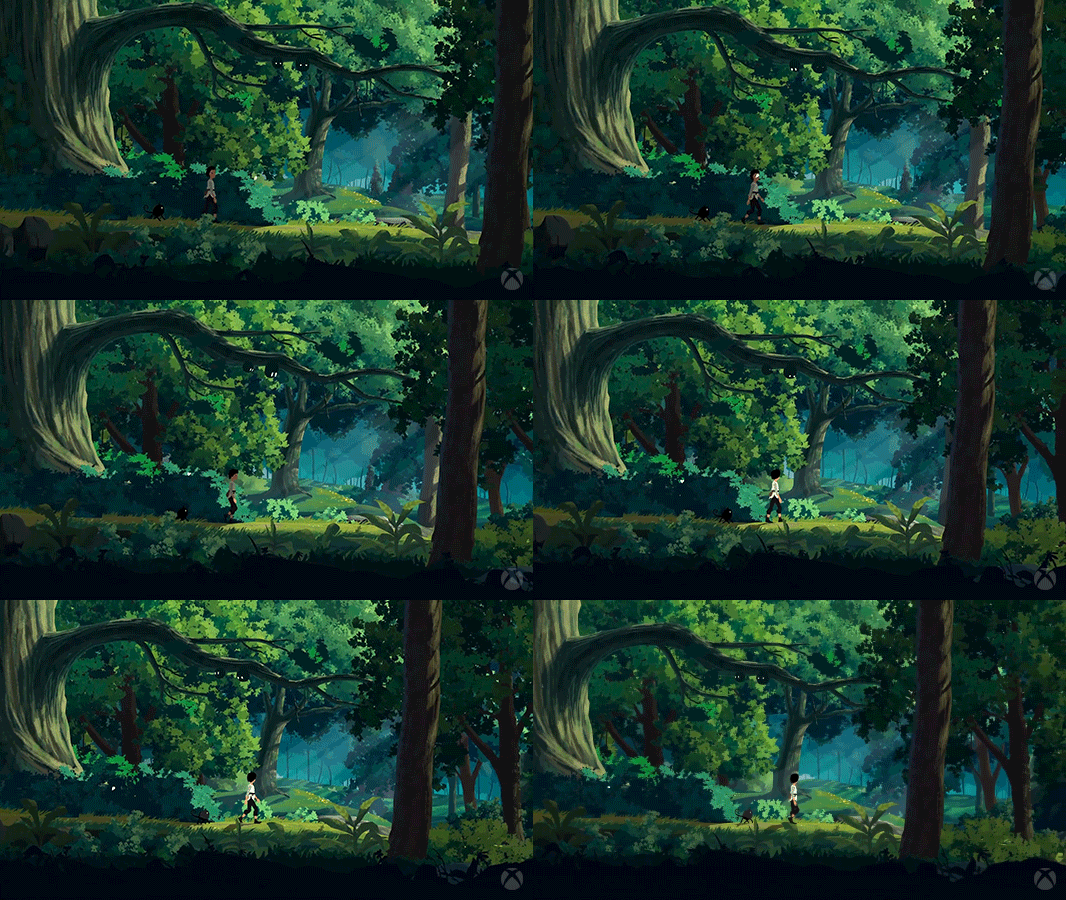
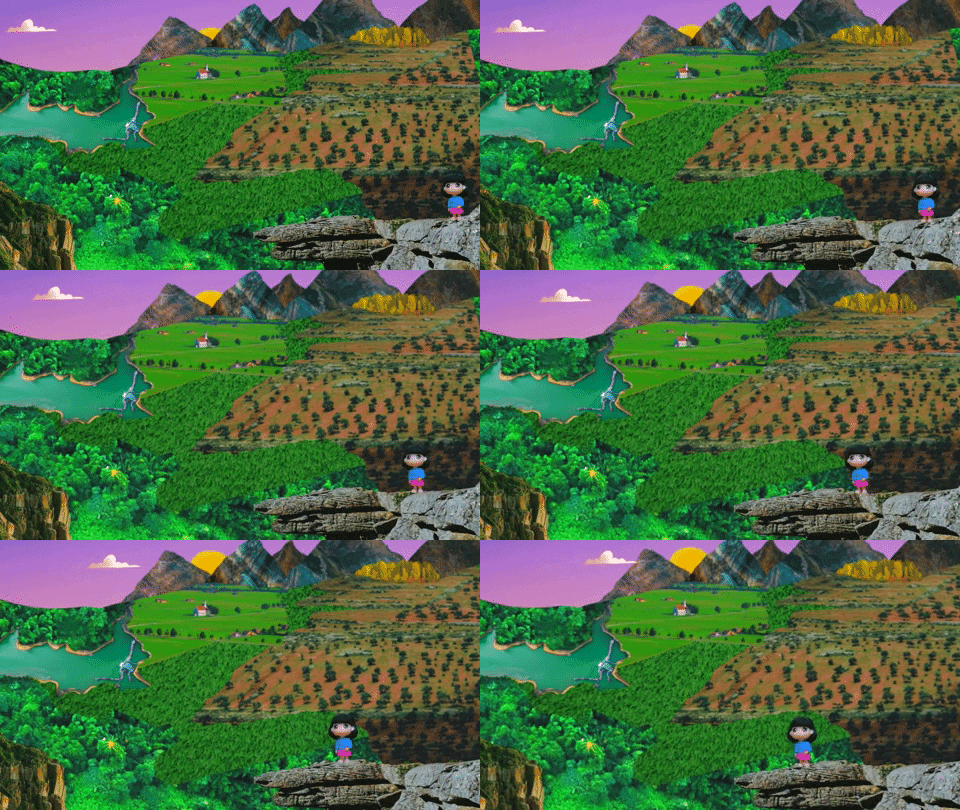
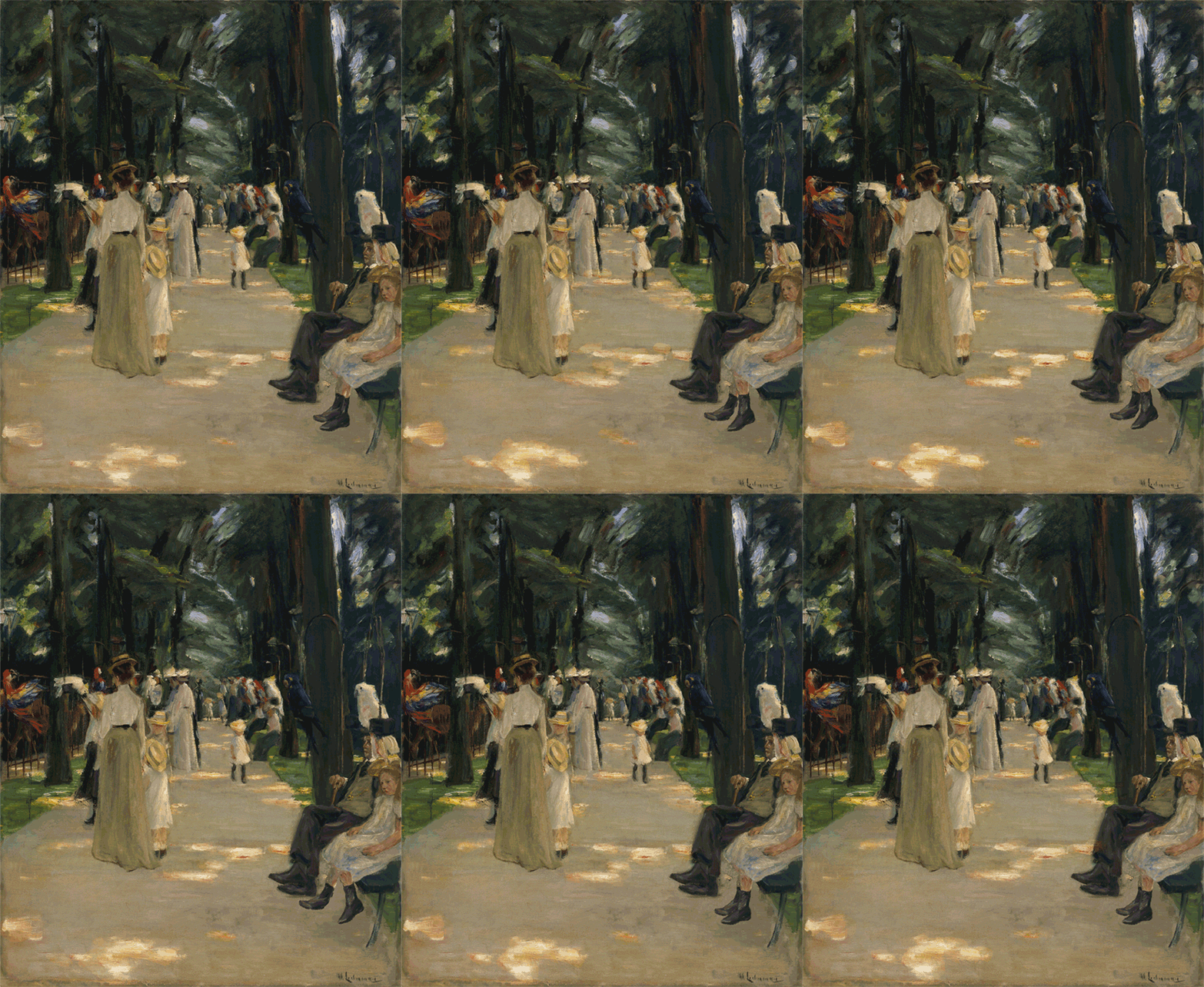
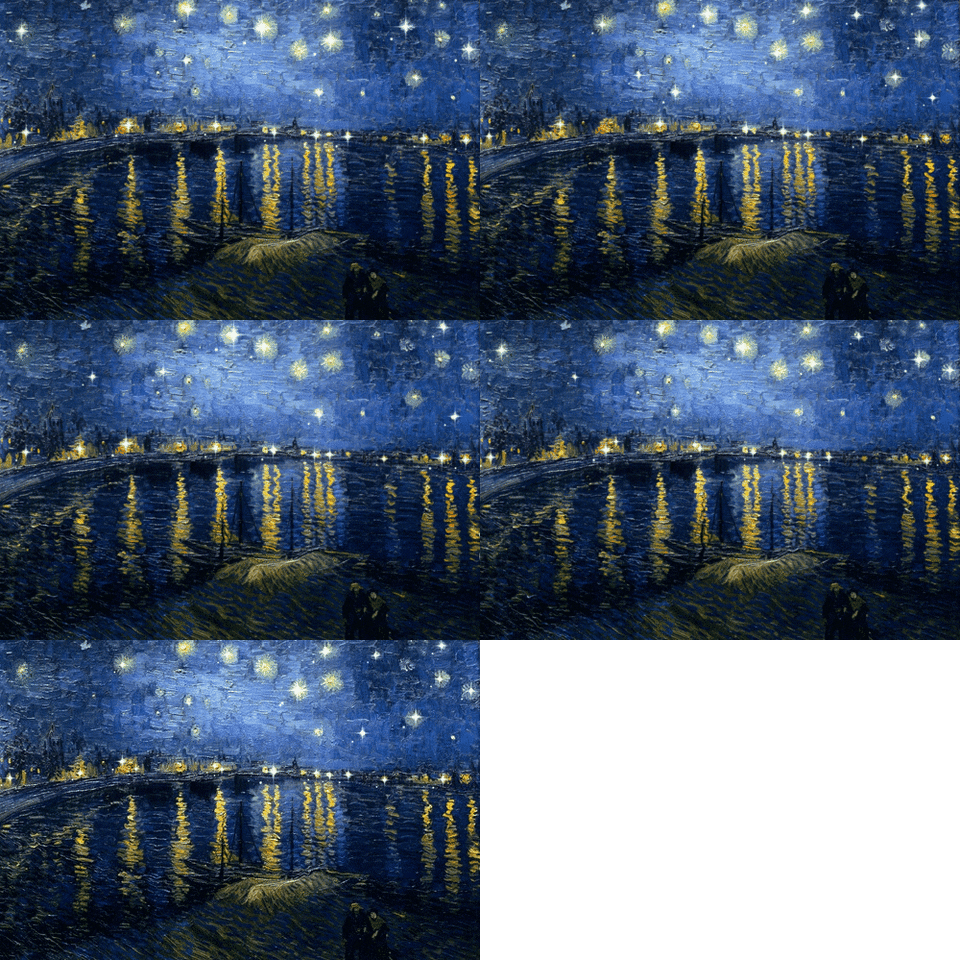
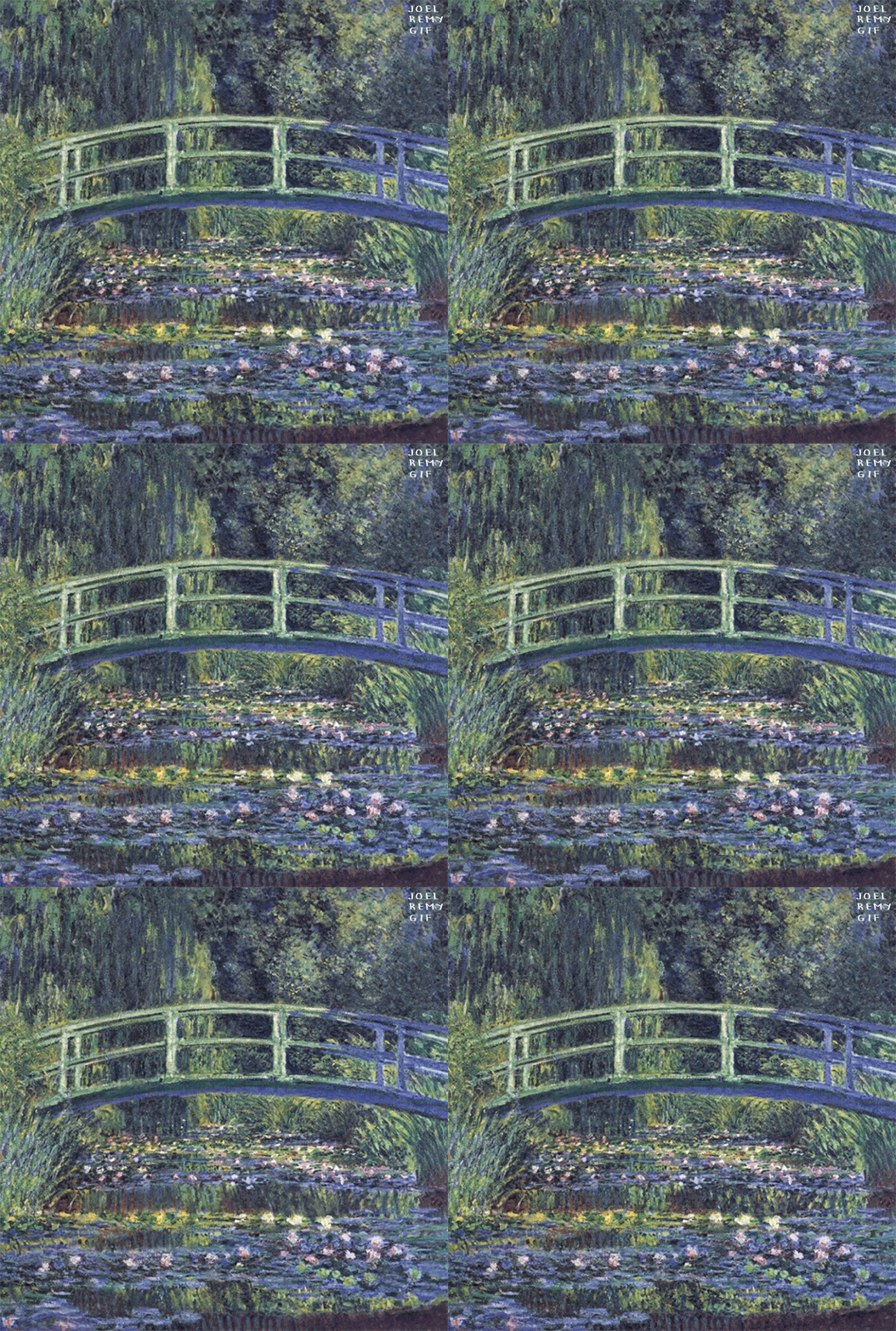
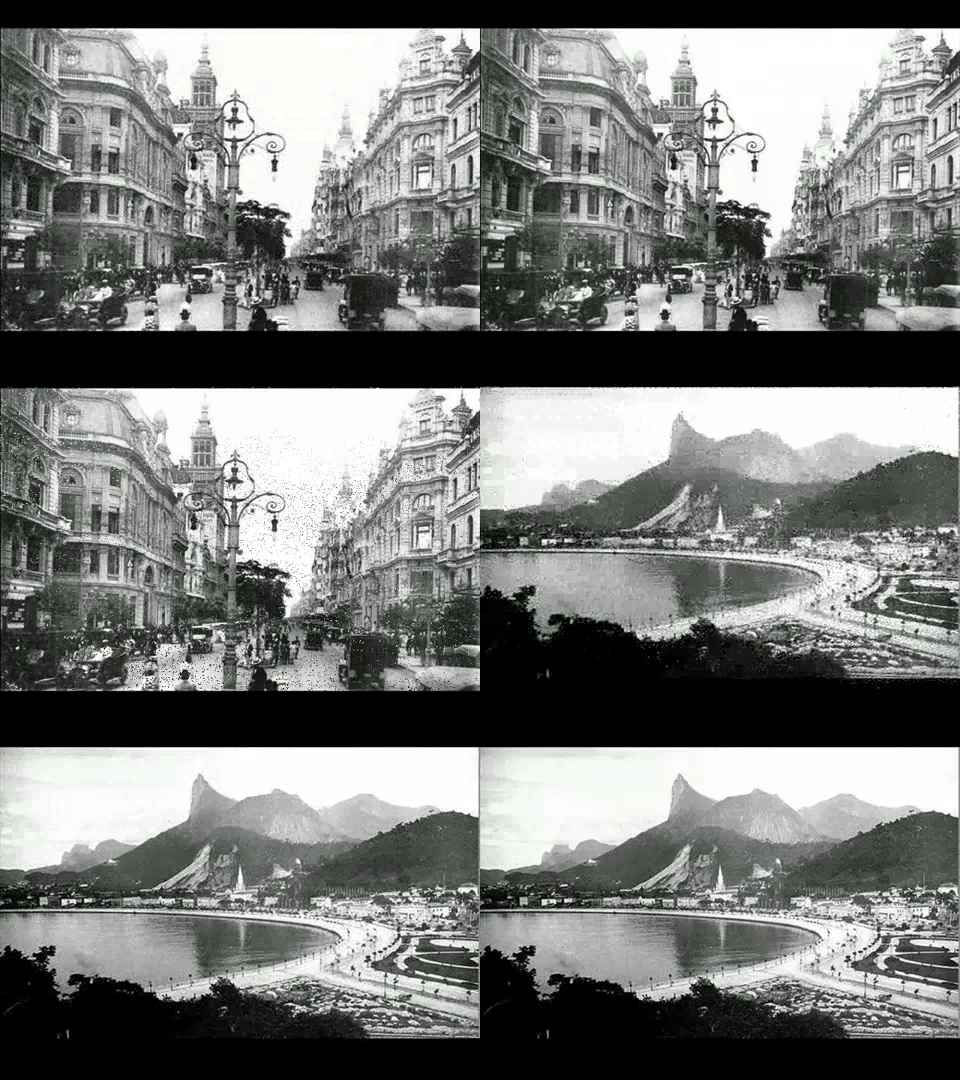
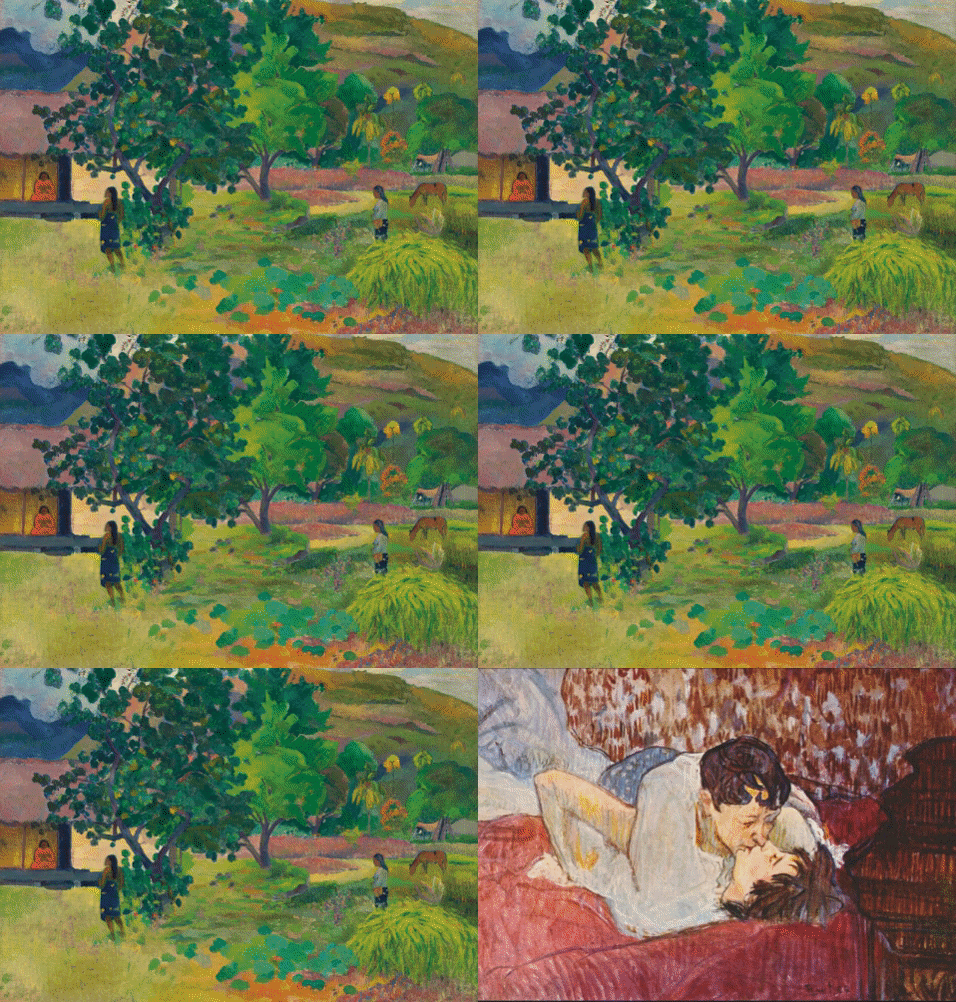
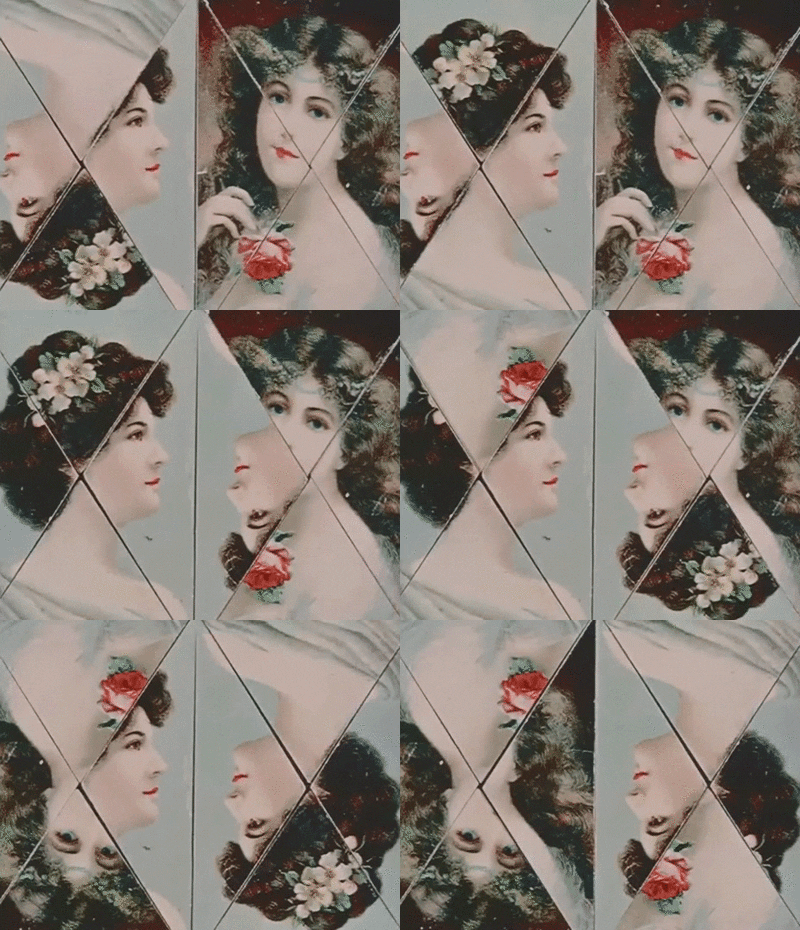
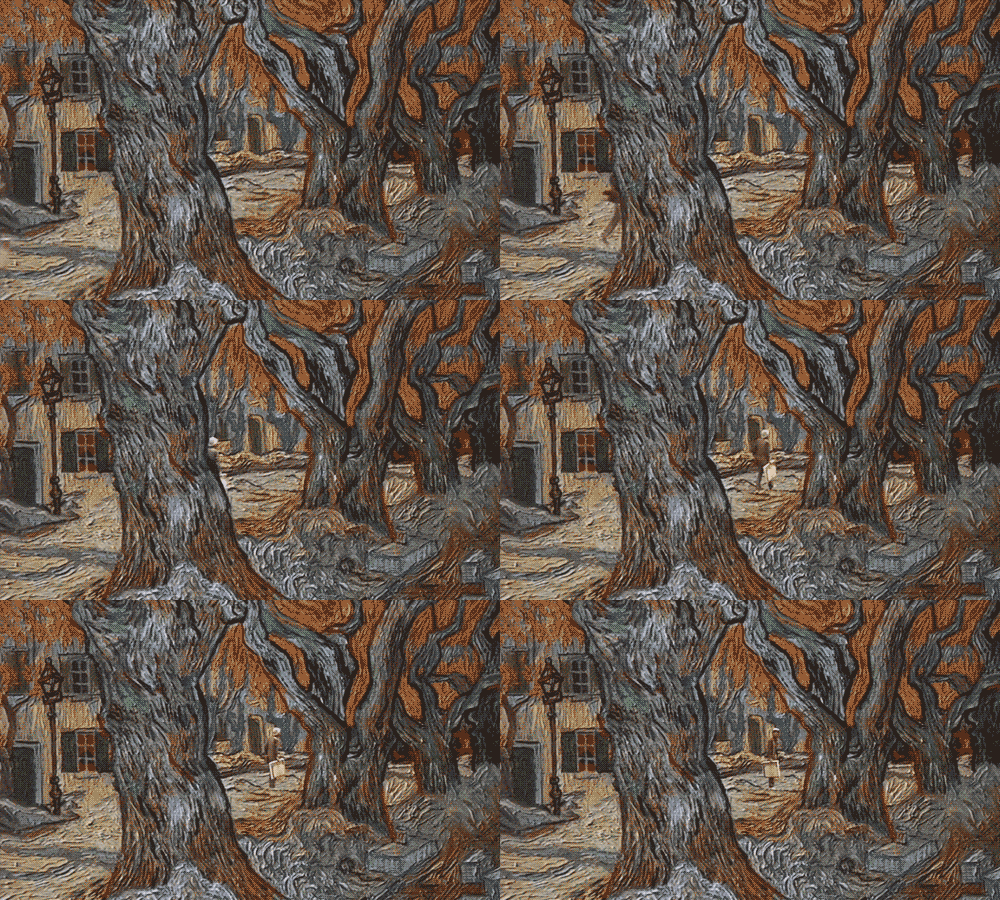
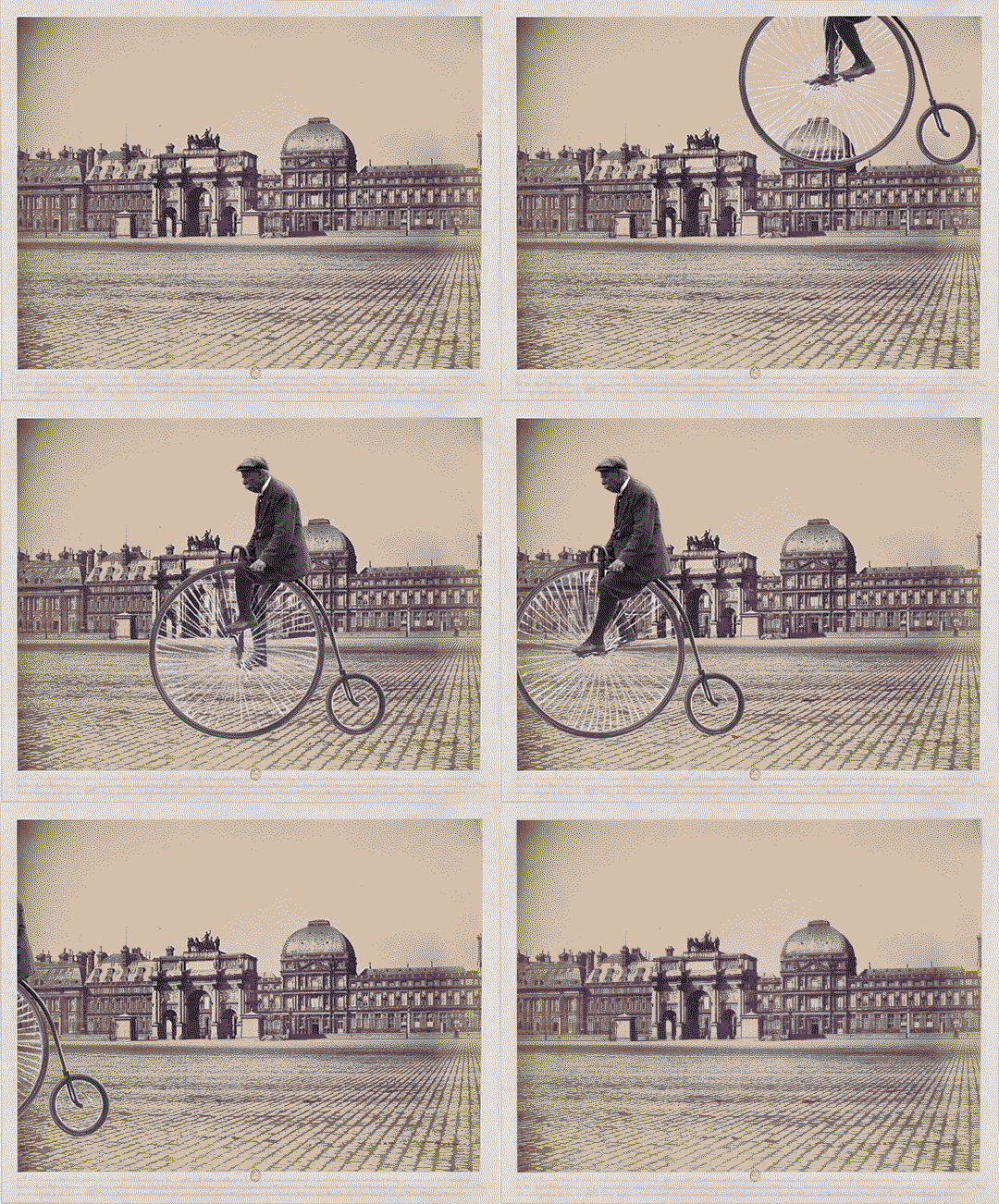
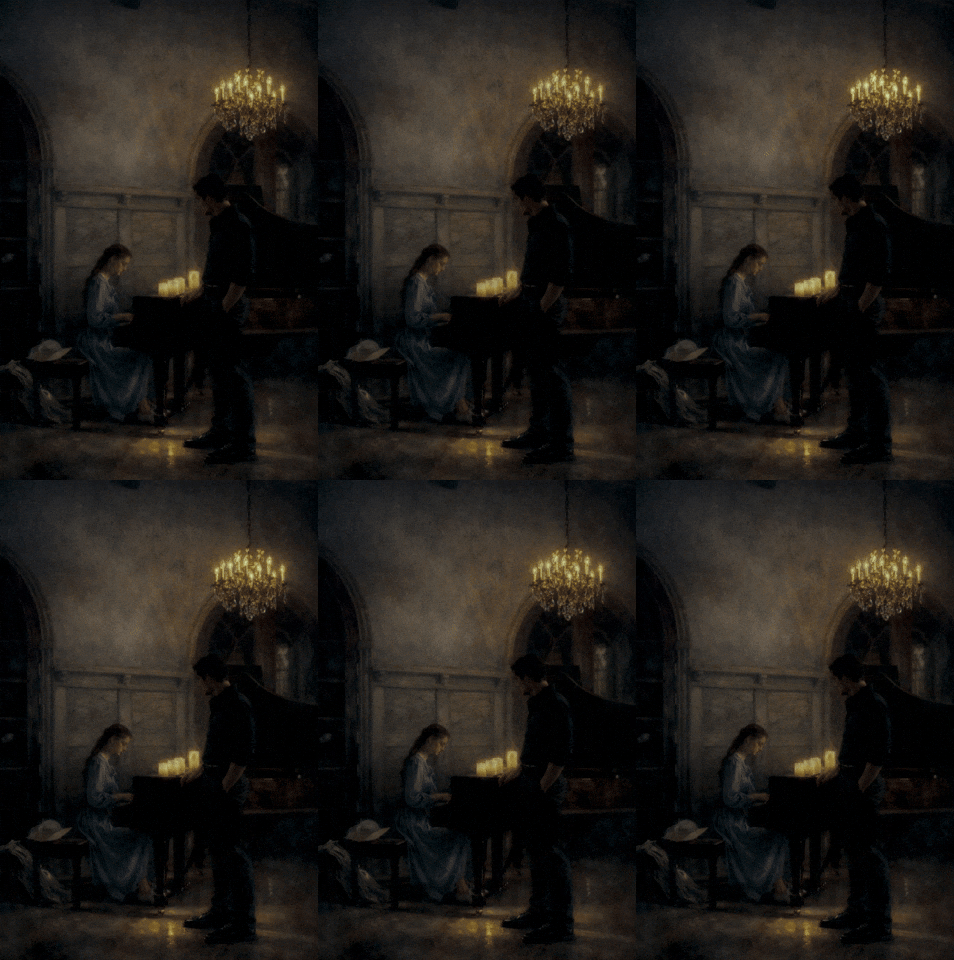
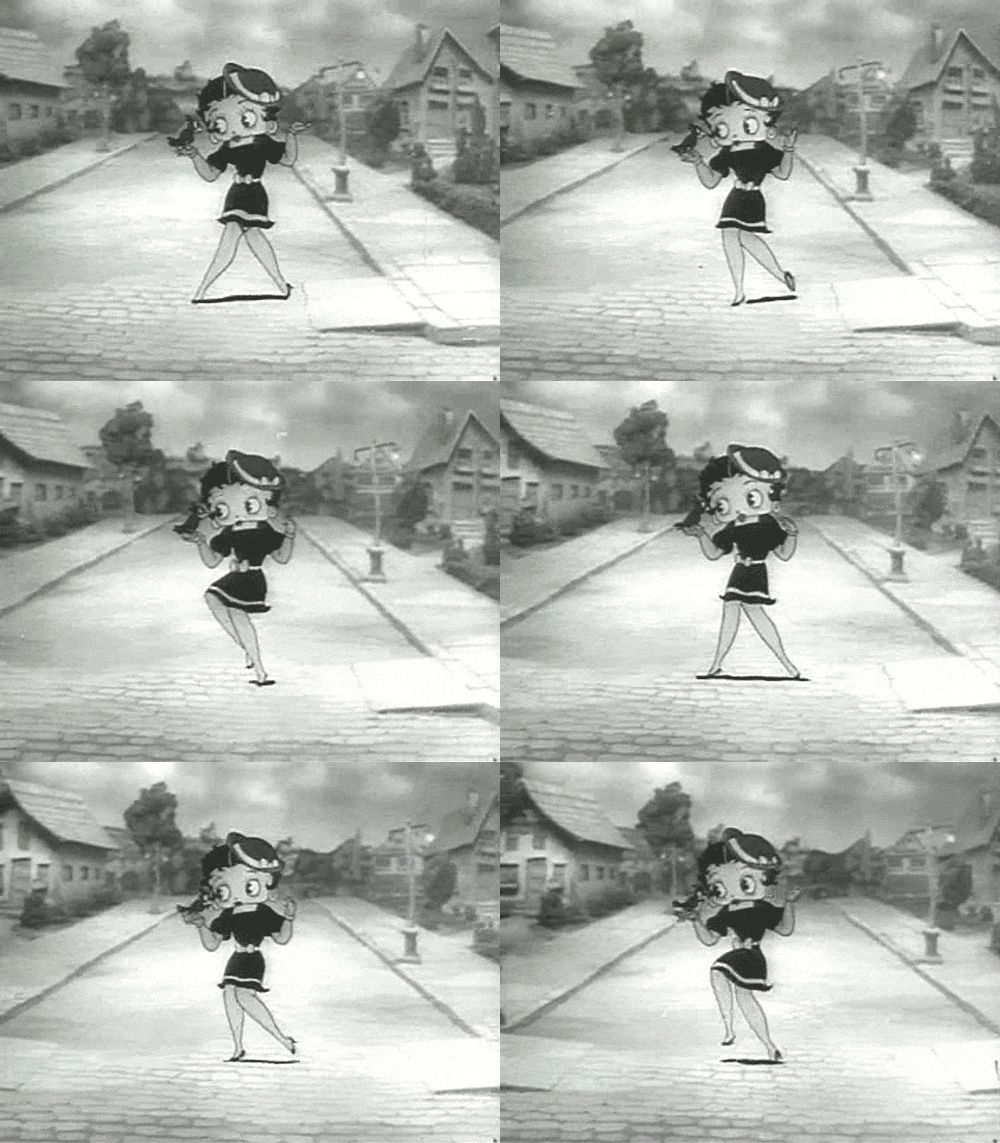
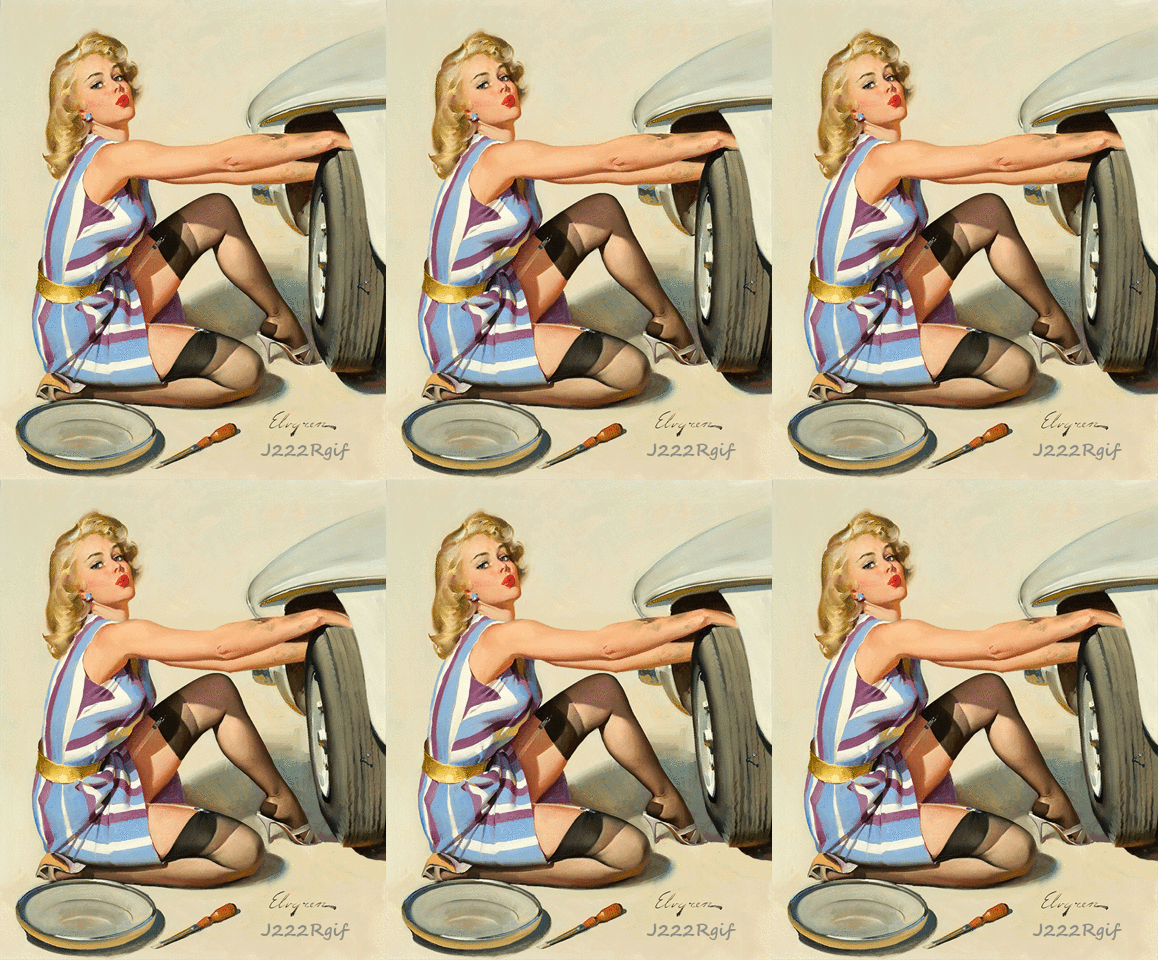
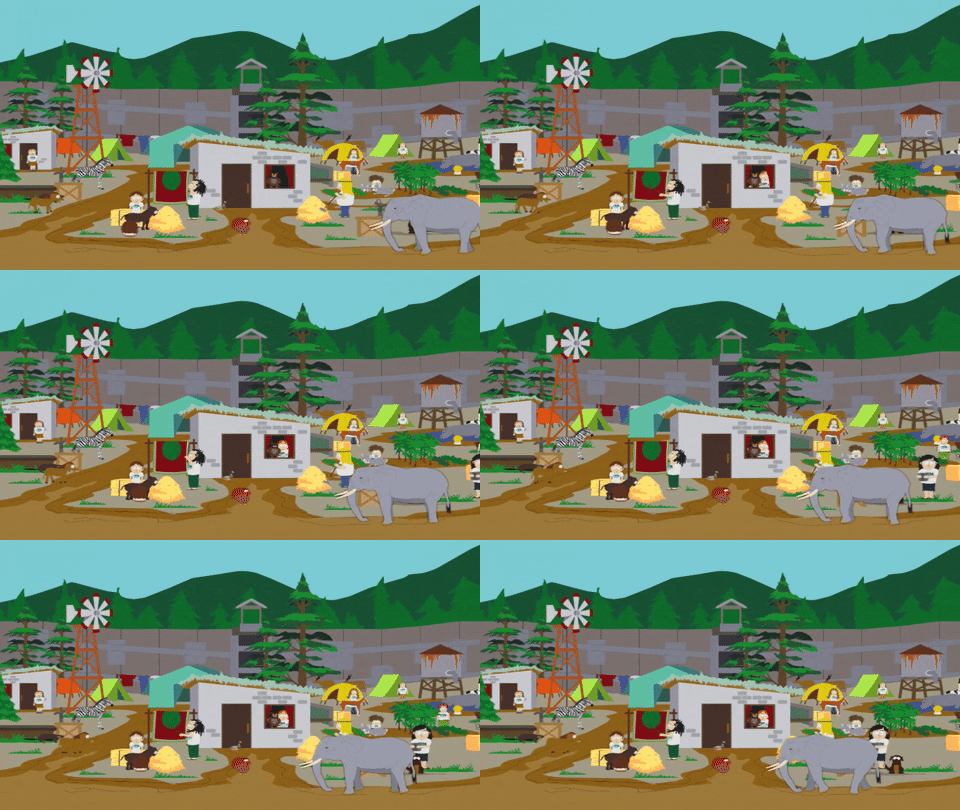
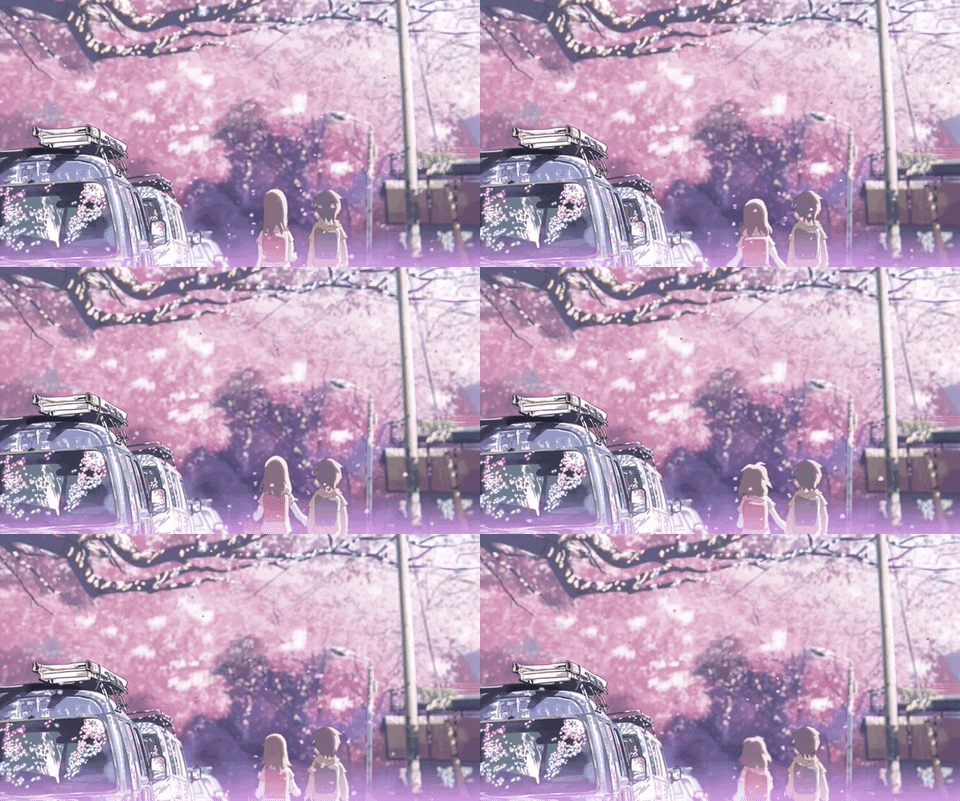
Together, these pictures create a nostalgic collection of old-fashioned art, city life, and vintage animation. Several images show peaceful painted landscapes, such as people walking through a shaded park, a glowing night sky over water, a colorful tropical countryside, and a quiet bridge over a lily pond. These scenes feel calm, dreamy, and artistic, with soft colors and impressionist-style brushstrokes. Other pictures focus on vintage culture, including old portraits of women, a black-and-white city street filled with early cars and historic buildings, a retro pin-up illustration of a woman fixing a car, and a classic cartoon girl walking through a neighborhood. One image stands out as more surreal, showing a shipwreck combined with a fish skeleton, adding a mysterious and imaginative feeling. Overall, the pictures combine beauty, history, fantasy, and nostalgia, showing how art can capture both peaceful everyday moments and unusual creative ideas.
Vintage Cartoons 🪂
Summary: Vintage Cartoon Shows
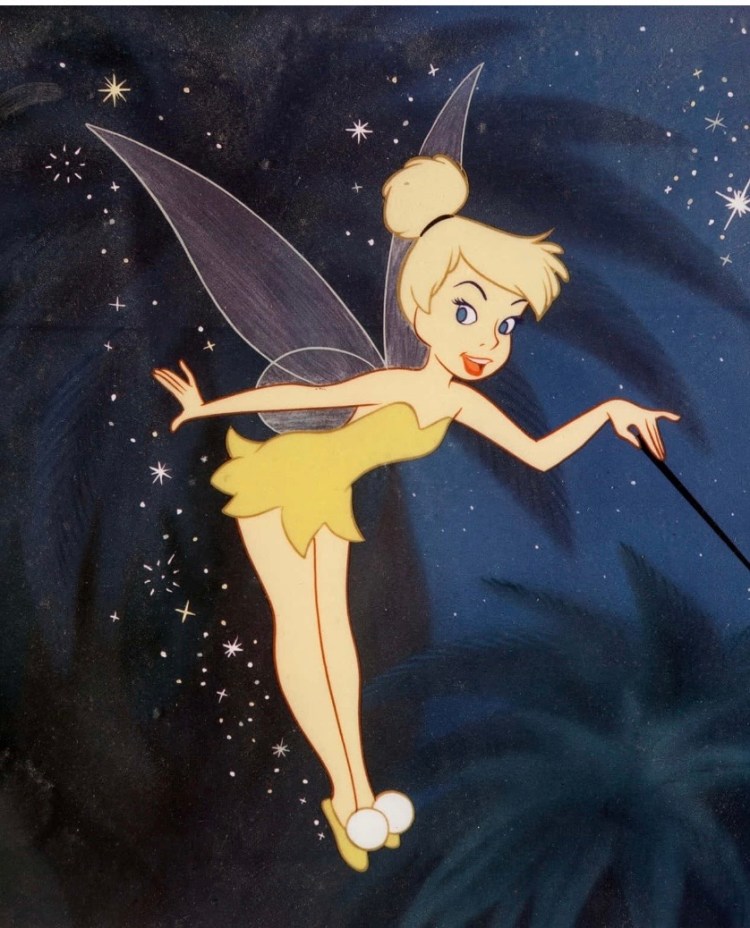
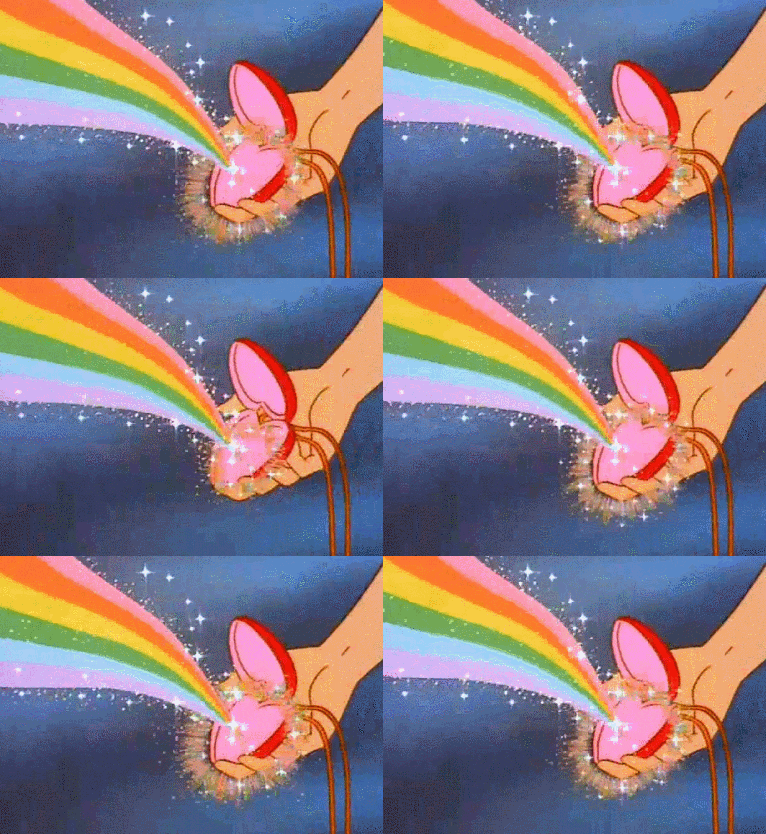
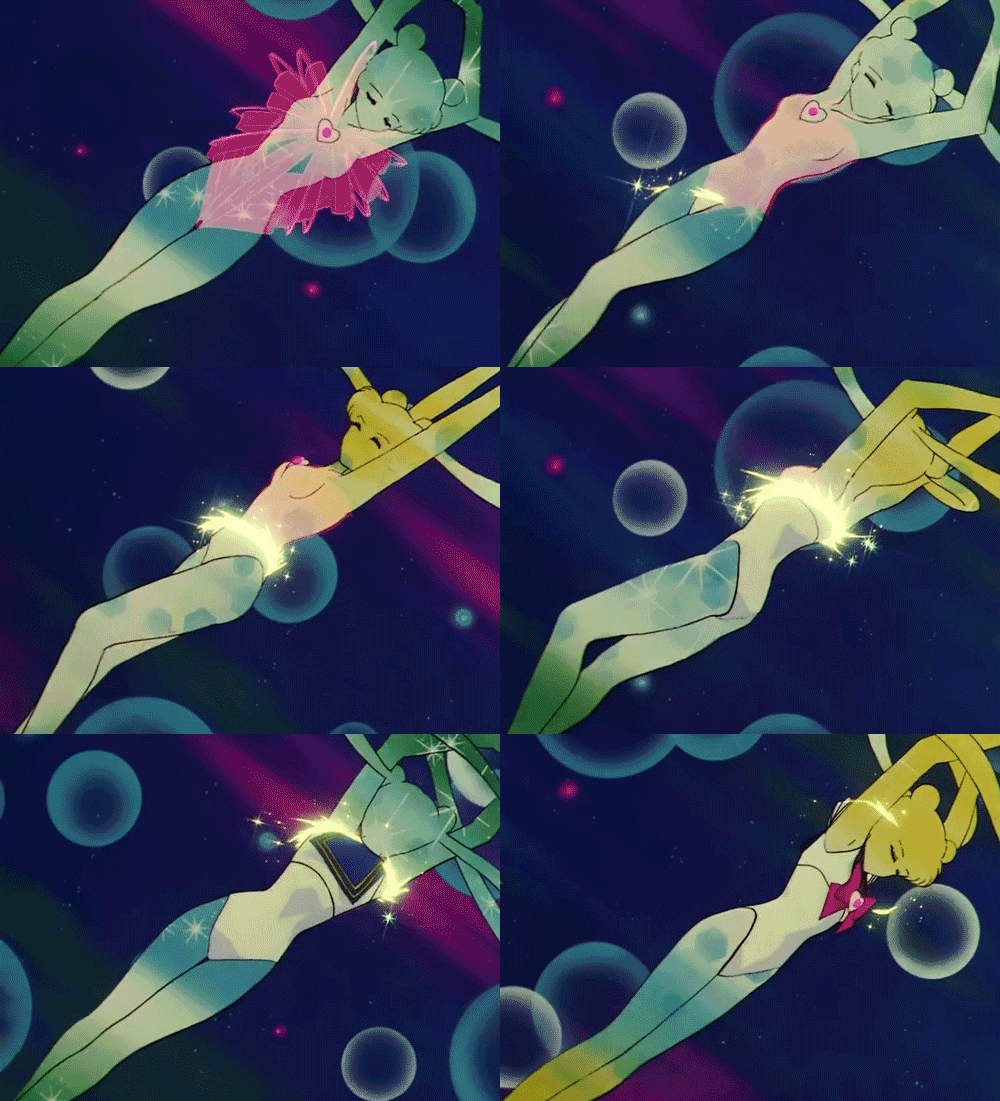
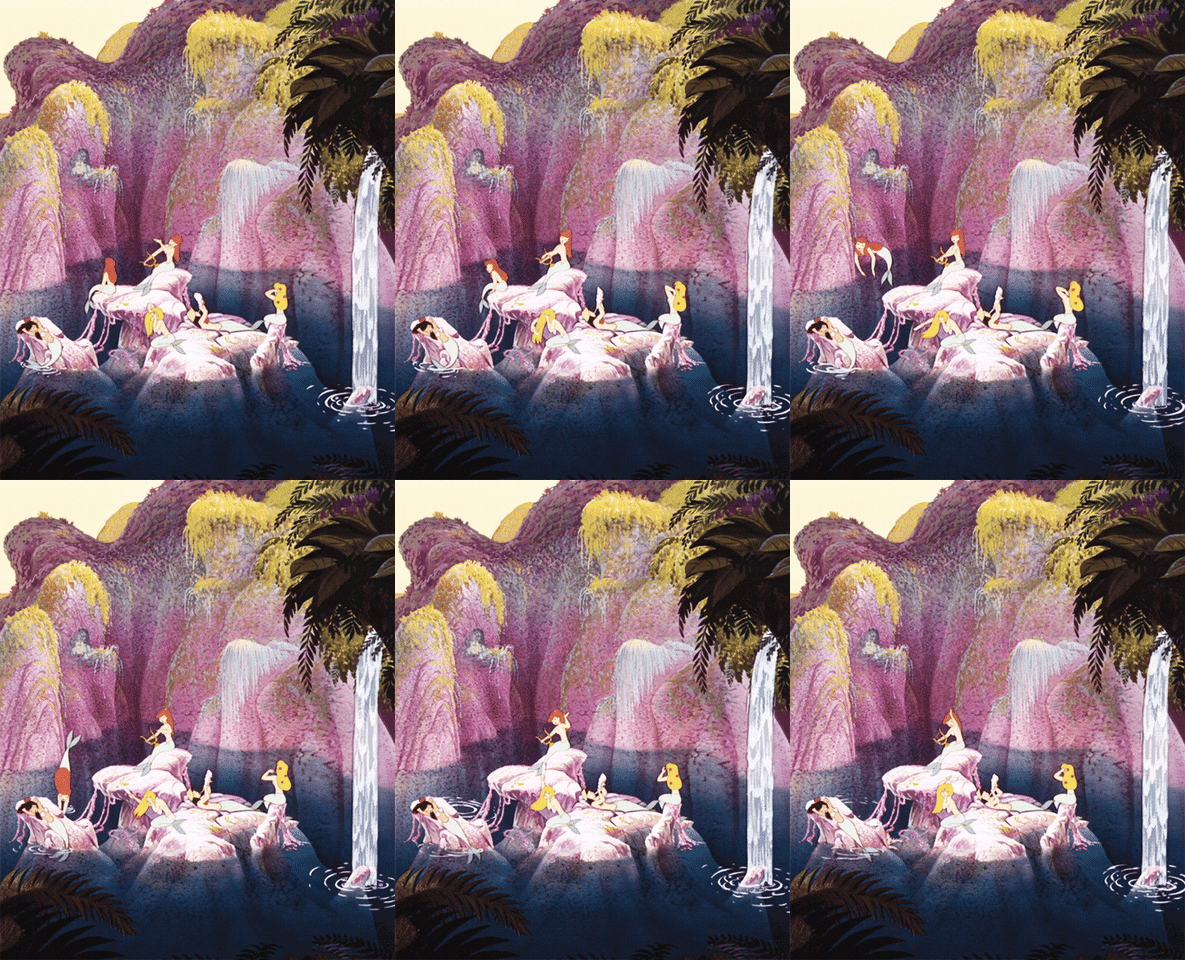
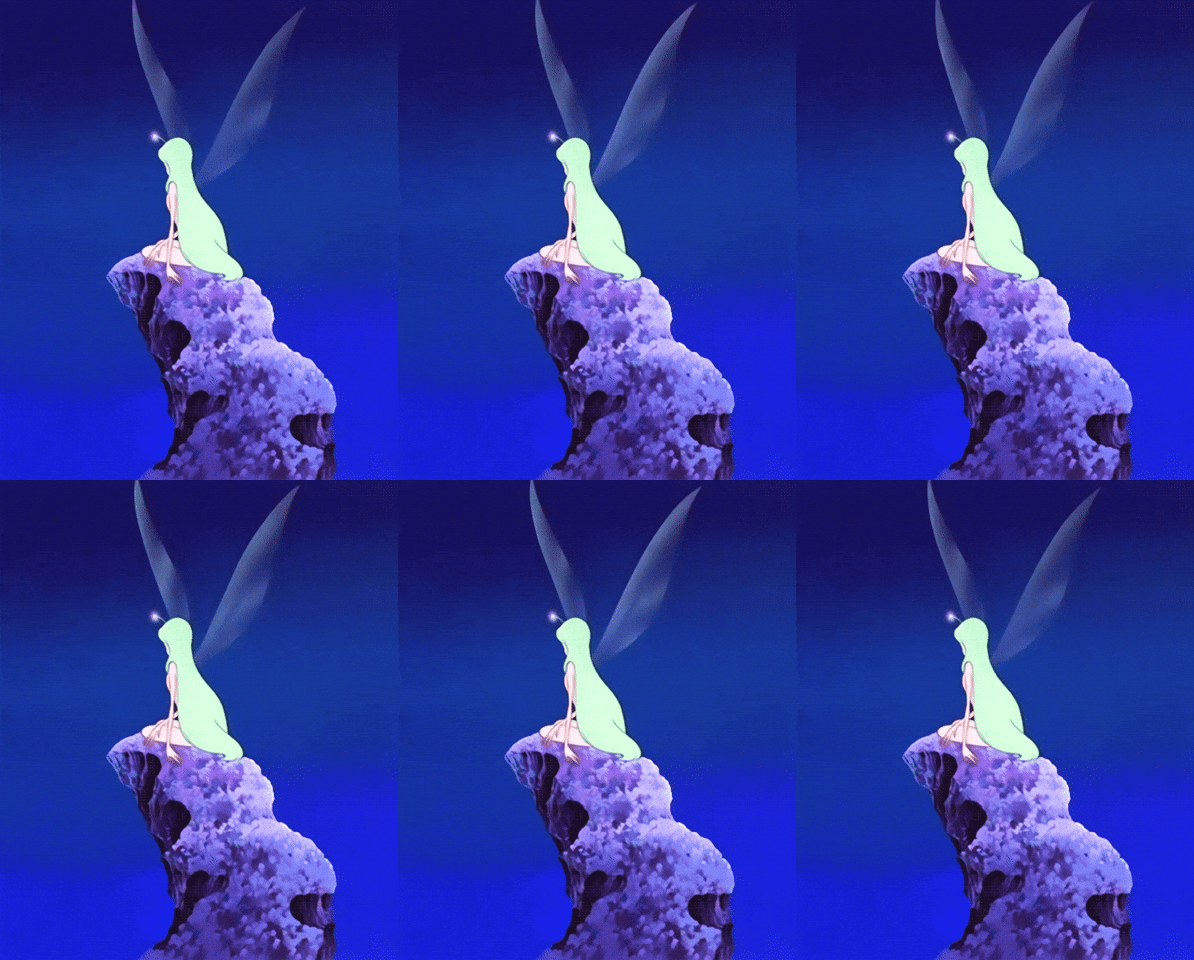
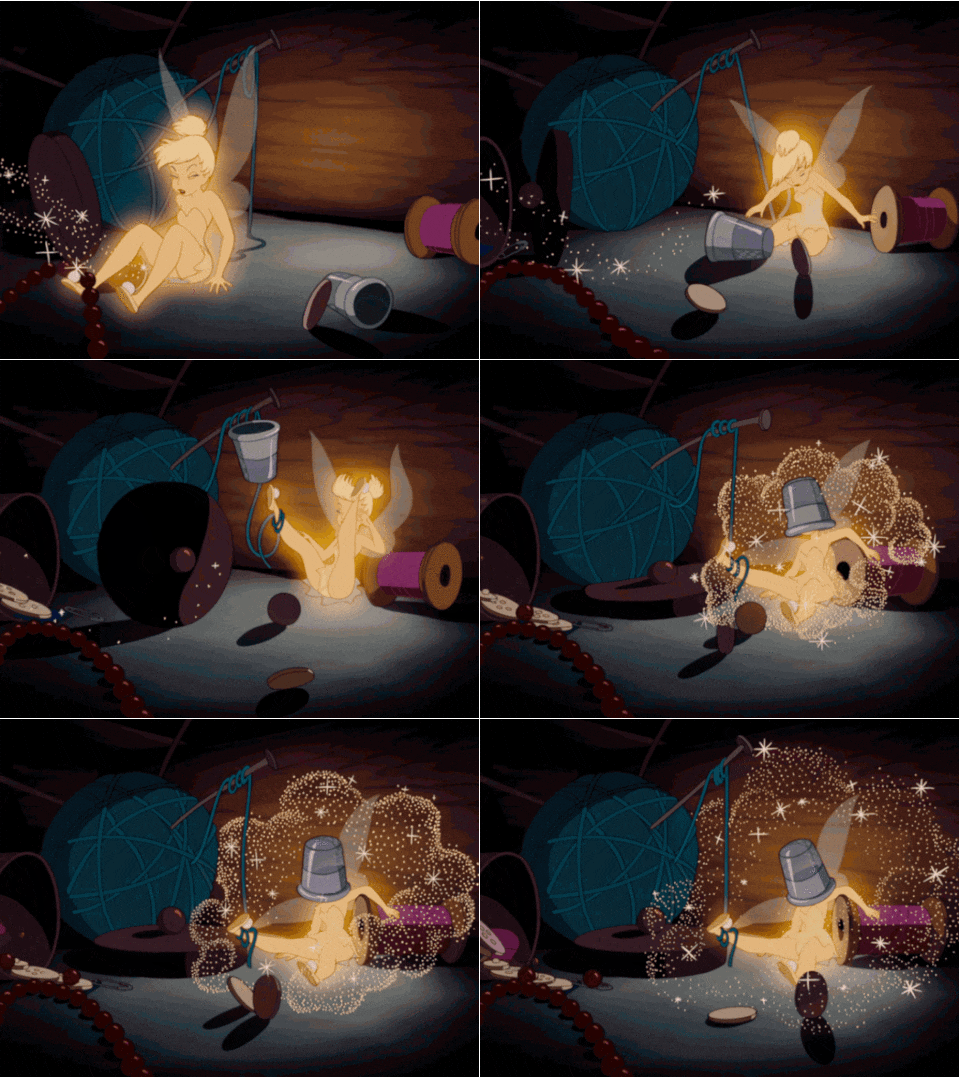
Vintage cartoon shows from the 1950s through the 1990s are remembered for their colorful animation, magical worlds, catchy theme songs, and strong emotional messages. Shows and movies like Rainbow Brite, Strawberry Shortcake, My Little Pony, Sailor Moon, Tinker Bell, and Peter Pan helped shape childhood entertainment by mixing fantasy, friendship, adventure, and good-versus-evil storytelling.
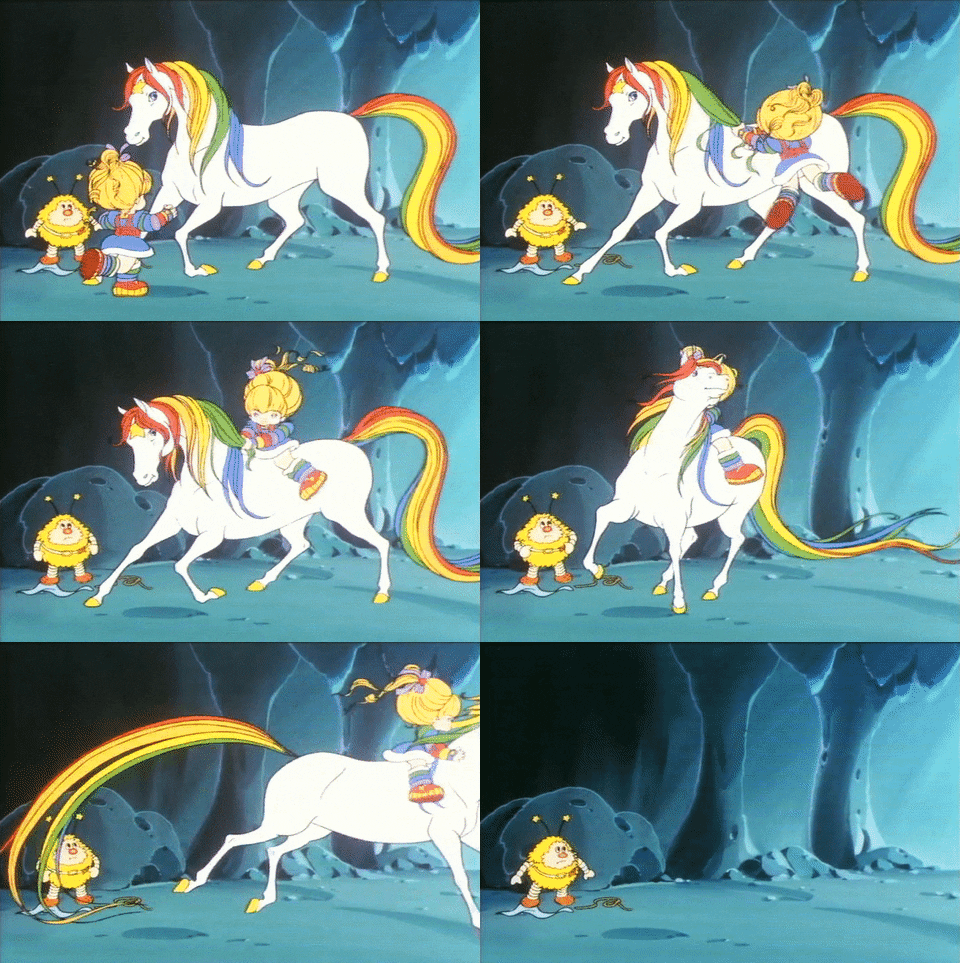
Rainbow Brite became popular in the 1980s. Created by Hallmark, the character first appeared in 1984 and represented courage, kindness, optimism, and imagination. The story centered on Rainbow Brite bringing color and happiness to a dark world. Her bright outfit, rainbow belt, and friends called the Color Kids made the show easy to recognize. It also connected strongly to toys, dolls, books, and merchandise.
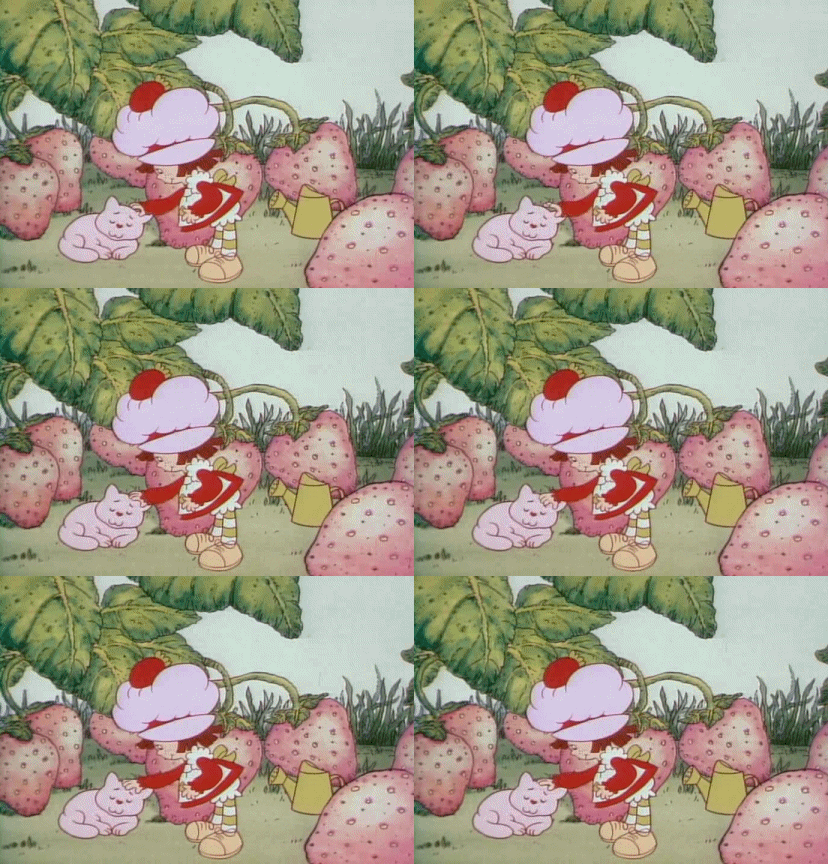
Strawberry Shortcake also became a major 1980s character. She began as an American Greetings character and appeared in the 1980 animated special The World of Strawberry Shortcake. Her world was built around fruit-themed friends, sweet scents, pastel colors, and gentle lessons about friendship and sharing. Characters like Blueberry Muffin, Huckleberry Pie, and Raspberry Tart gave the series a soft, comforting style.
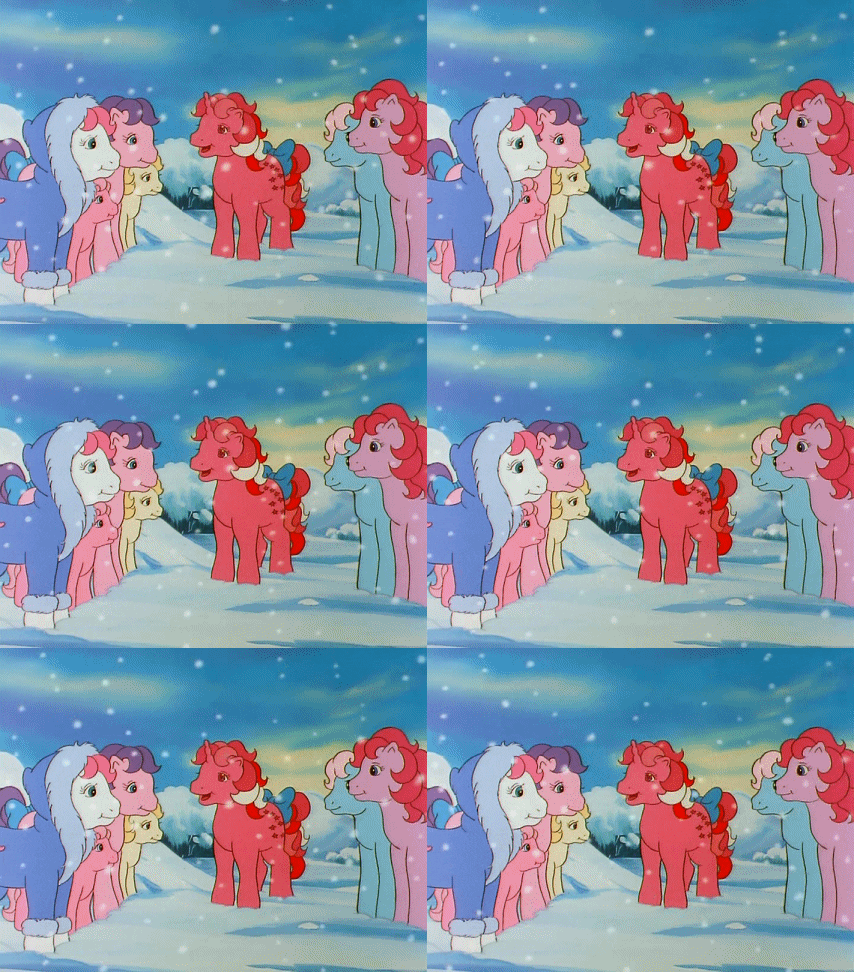
My Little Pony became one of the most famous toy-based cartoon franchises. Hasbro launched the original toy line in the early 1980s, and the first major animated series aired in the mid-1980s. The show focused on magical ponies, friendship, teamwork, and fantasy adventures. Its colorful ponies, unique symbols, long manes, and magical settings made it a major part of 1980s and 1990s pop culture.
Sailor Moon is different from the others because it is Japanese anime, but it belongs in this group because it became a major vintage favorite in the 1990s. Created by Naoko Takeuchi, Sailor Moon began as a manga in 1992 and quickly became an anime. It follows Usagi Tsukino, a teenage girl who transforms into Sailor Moon to protect the world. The series mixed magical-girl powers, romance, school life, friendship, and action. It was important because it showed girls as powerful heroes who could save the world together.
Peter Pan is one of Disney’s classic animated fantasy films. Released in 1953, it was based on J. M. Barrie’s story about a boy who never grows up. The movie introduced many viewers to Neverland, the Lost Boys, Captain Hook, and Tinker Bell. Its themes include childhood imagination, adventure, freedom, and the fear of growing up.
Tinker Bell later became the center of her own Disney Fairies series. The first Tinker Bell film came out in 2008 and gave her a speaking role and a larger backstory in Pixie Hollow. Her story focuses on identity, talent, creativity, and learning to value who you are.
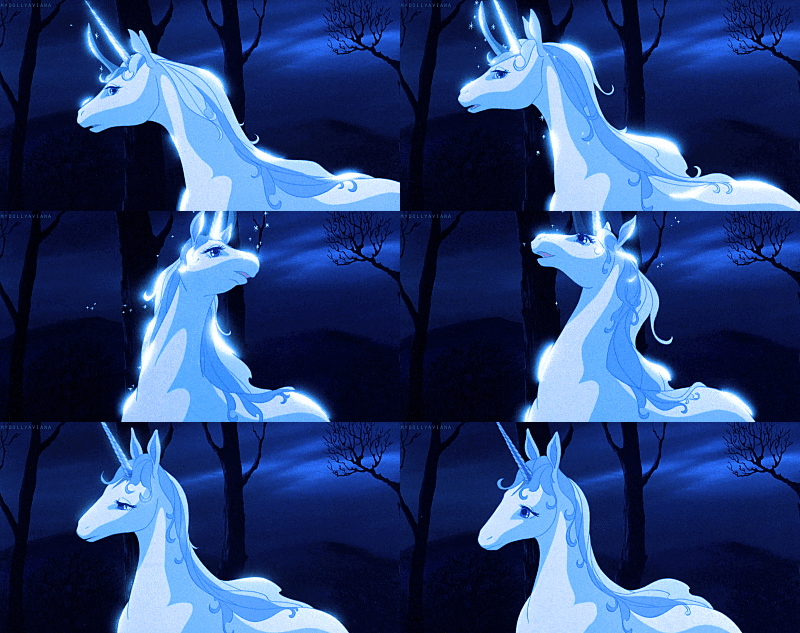
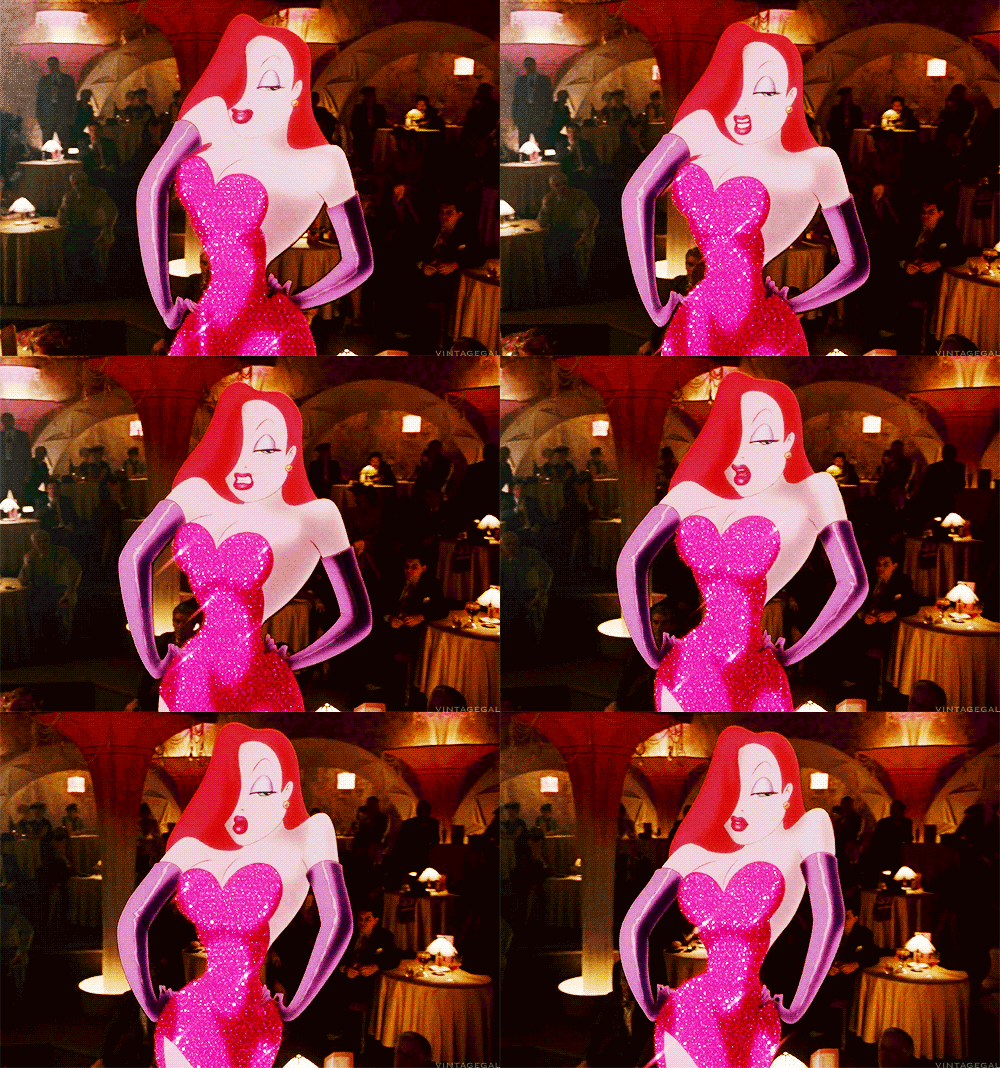
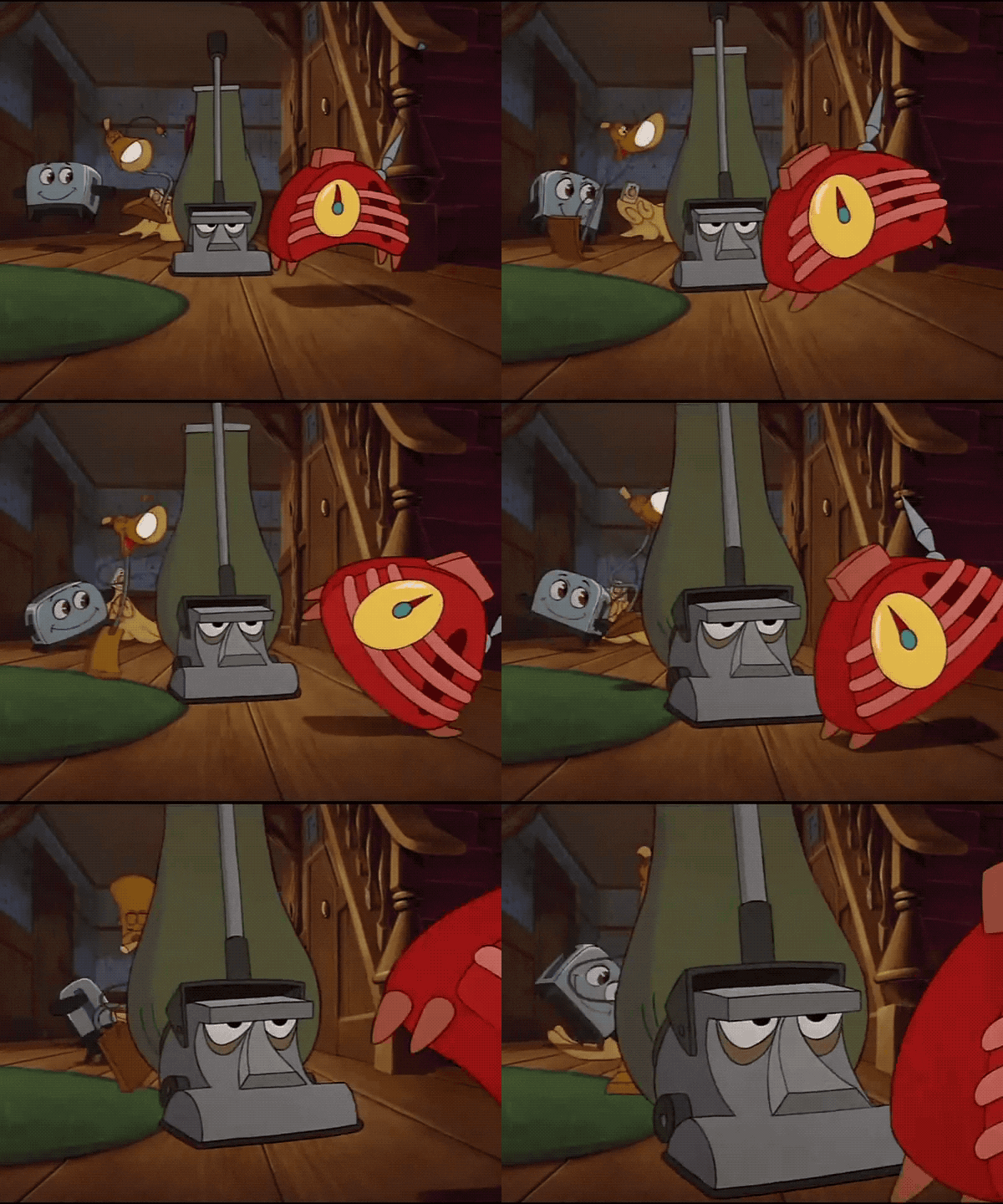
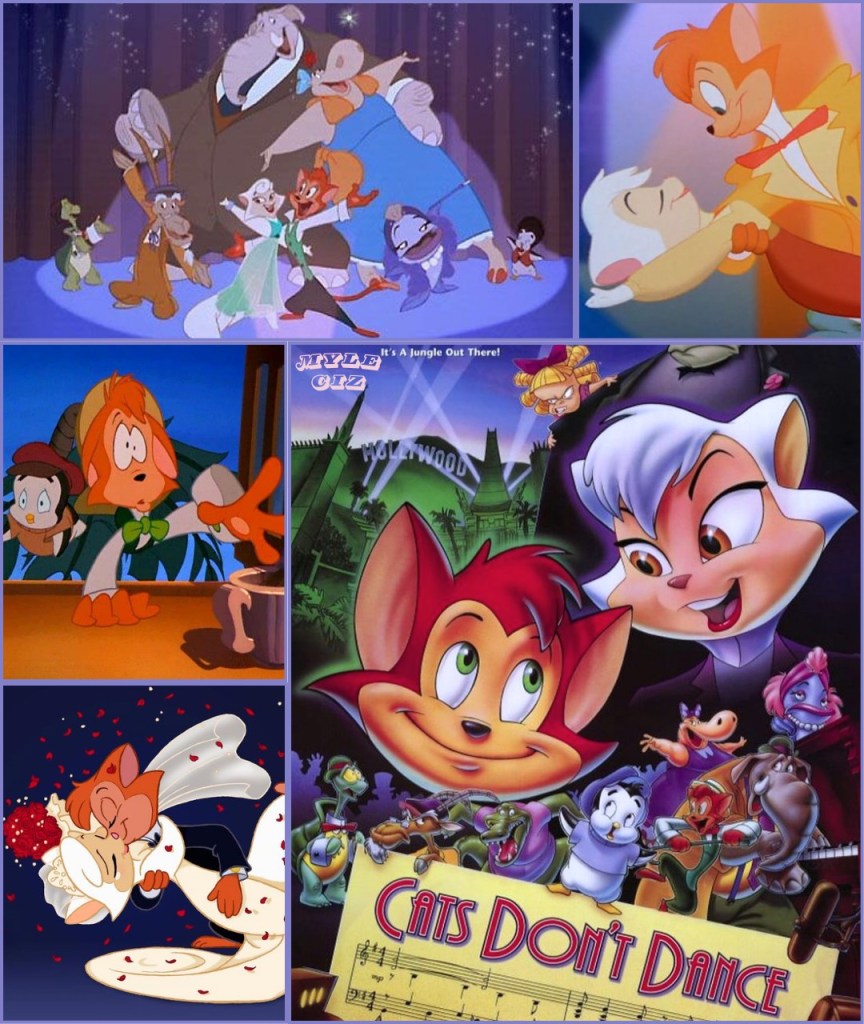
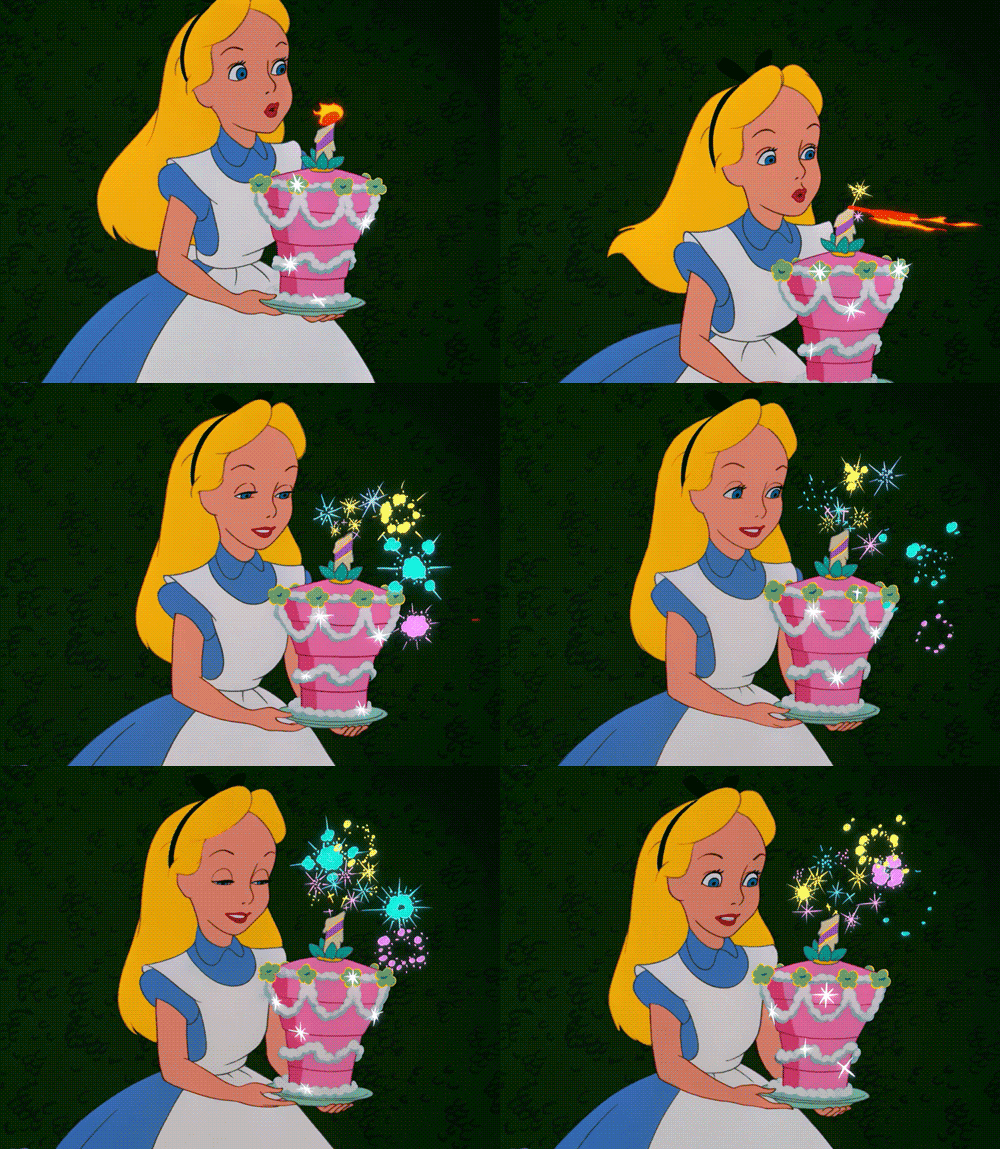
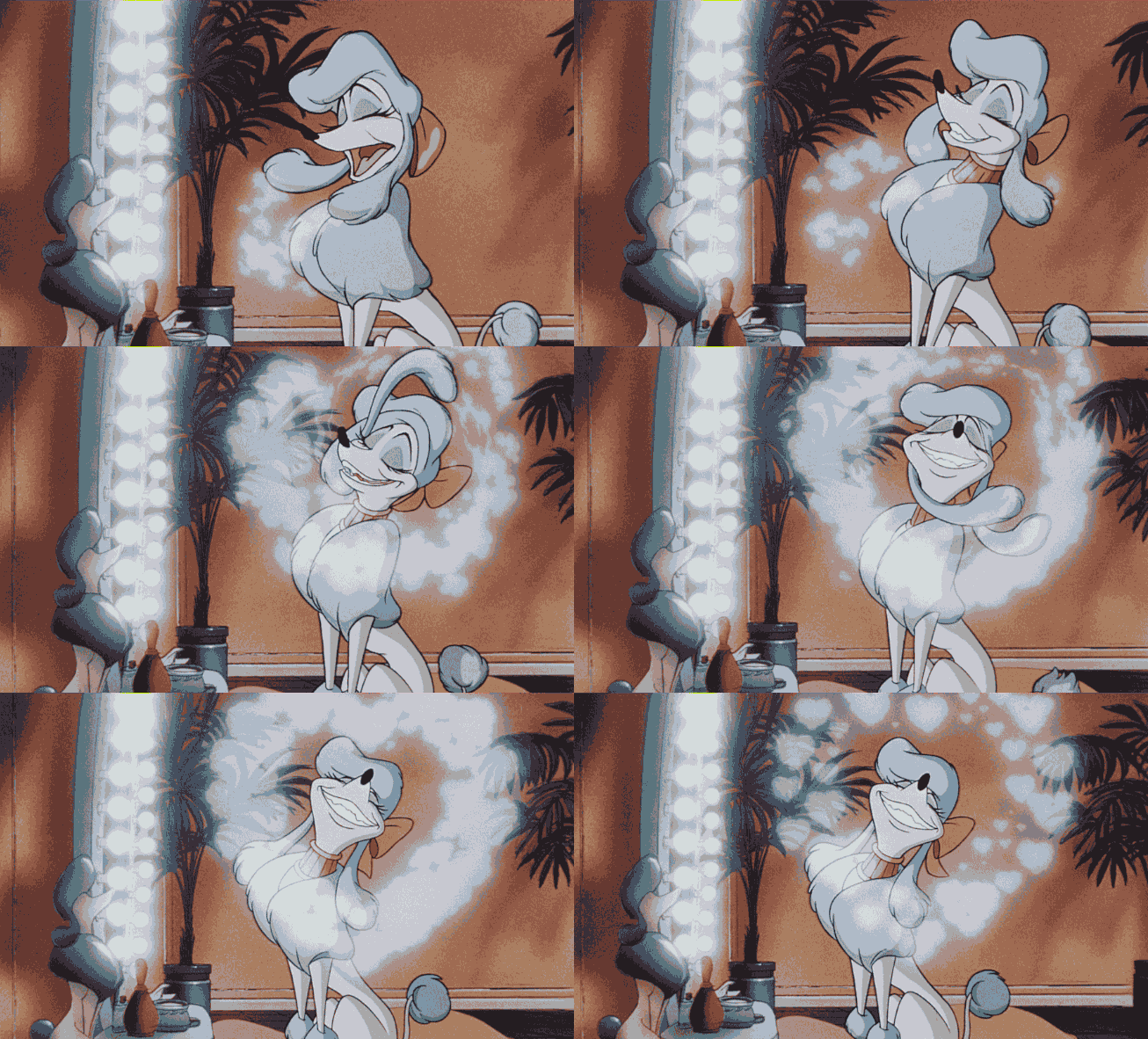
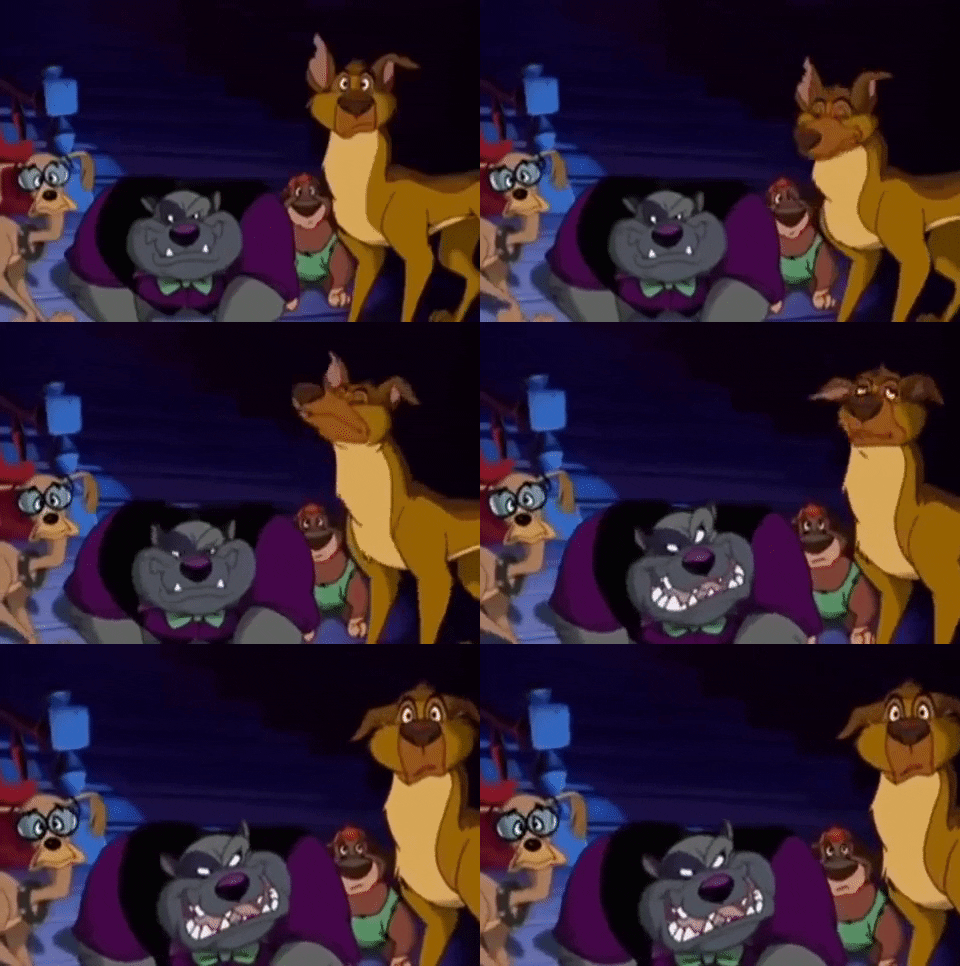
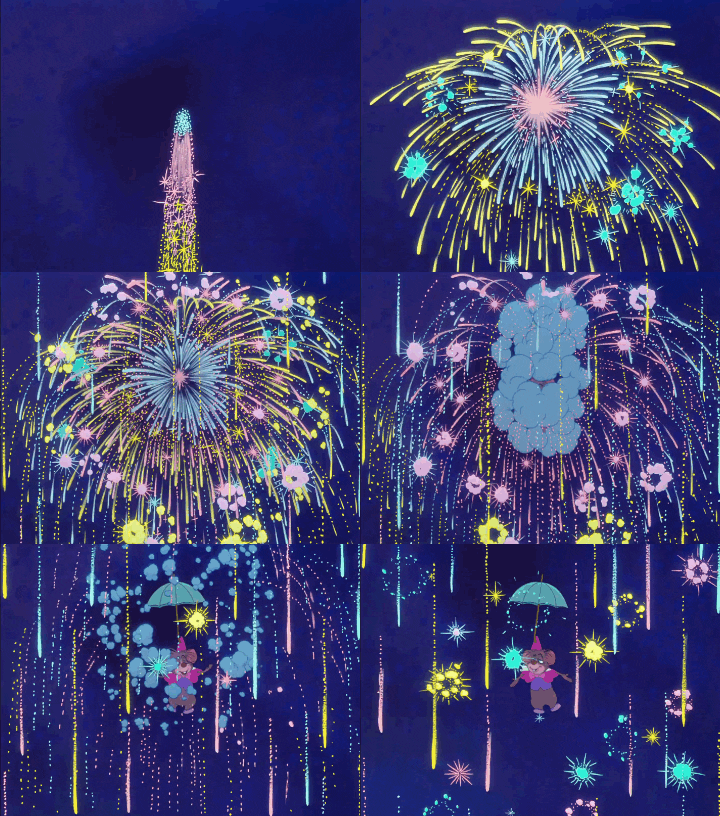
Together, these vintage cartoons and fantasy characters are important because they created memorable worlds that children could recognize instantly. They used bright colors, magical characters, simple moral lessons, and emotional storytelling. Many also became connected to toys, books, clothes, lunchboxes, and collectibles, which helped them stay popular for decades. I also included the movies “Cats Don’t Dance”, “Alice and Wonderland”, “All Dogs Go To Heaven” , “The Brave Little Toaster”, ect.
Facts:
Rainbow Brite was created by Hallmark and introduced in 1984.
Strawberry Shortcake came from American Greetings and became popular through cards, toys, and animated specials.
My Little Pony was developed by Hasbro and became a long-running toy and cartoon franchise.
Sailor Moon was created by Naoko Takeuchi and began in 1992 as a manga before becoming a famous anime.
Peter Pan was released by Disney in 1953 and was based on J. M. Barrie’s 1904 play.
Tinker Bell got her own Disney Fairies movie in 2008.
Many vintage cartoons were designed to connect with toys and merchandise.
Common themes include friendship, courage, imagination, magic, kindness, teamwork, and adventure.
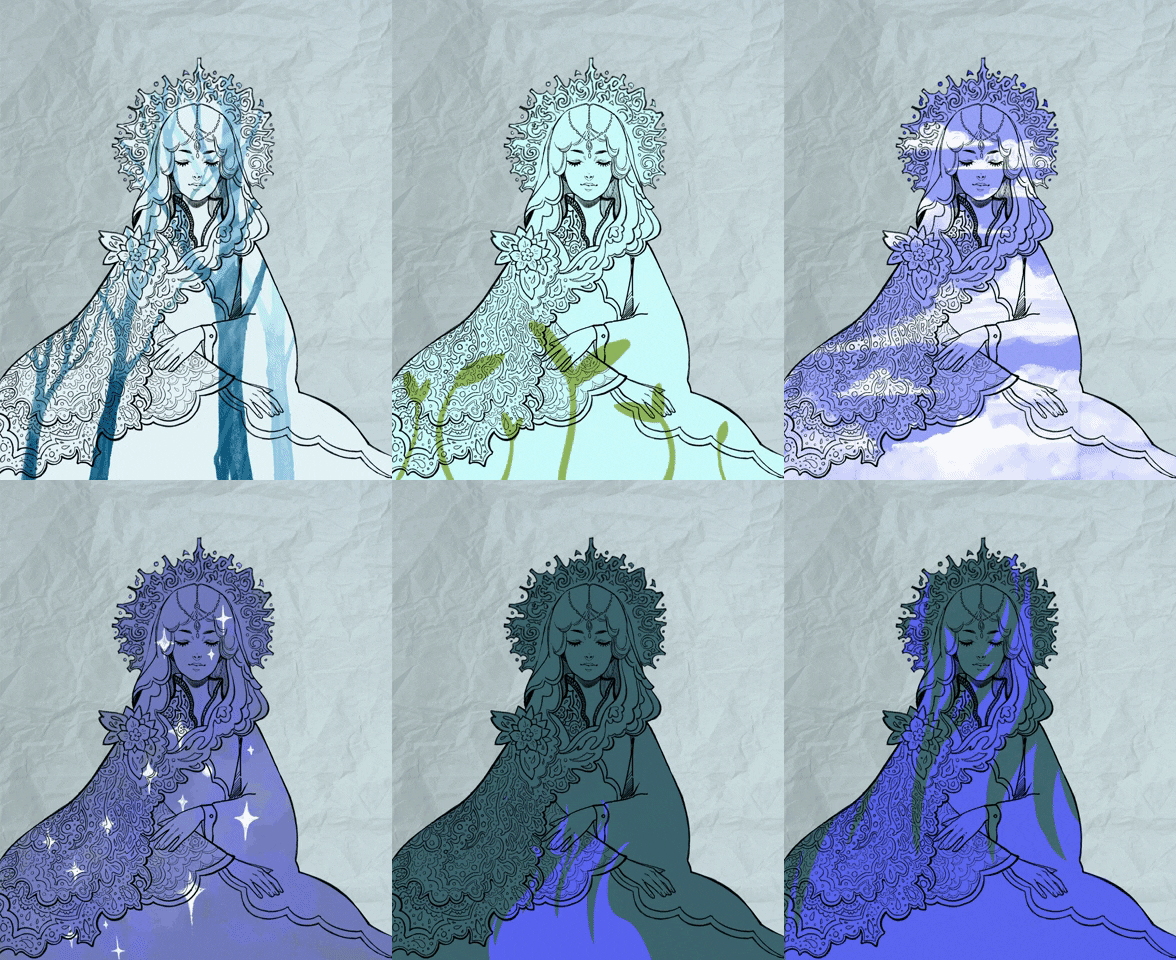
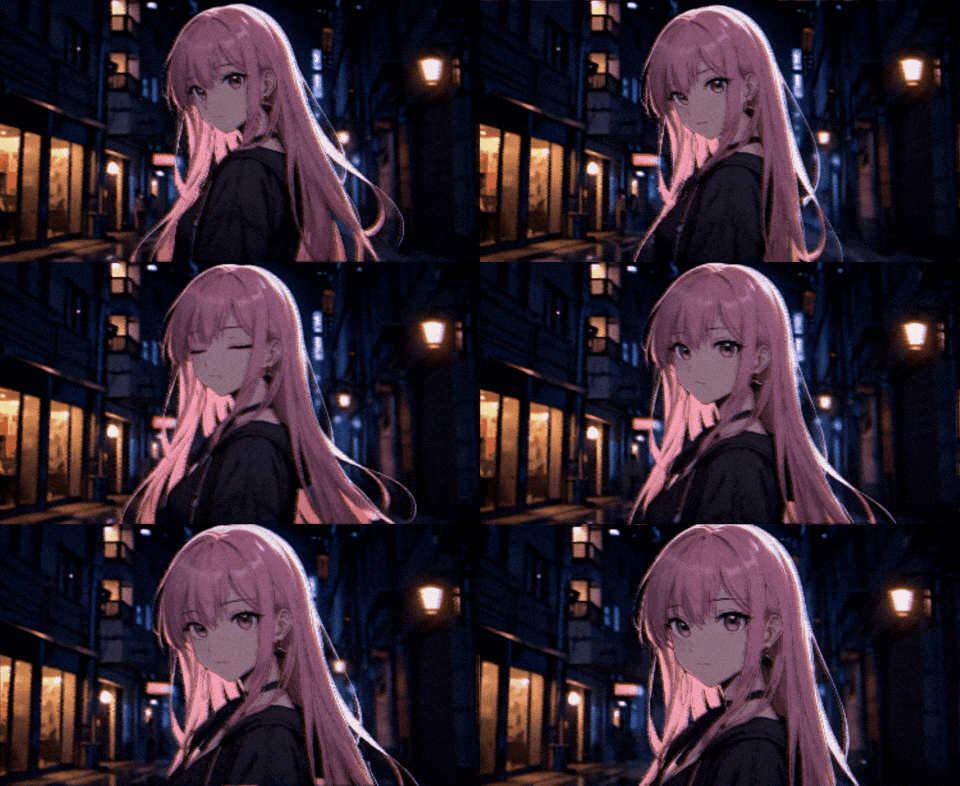
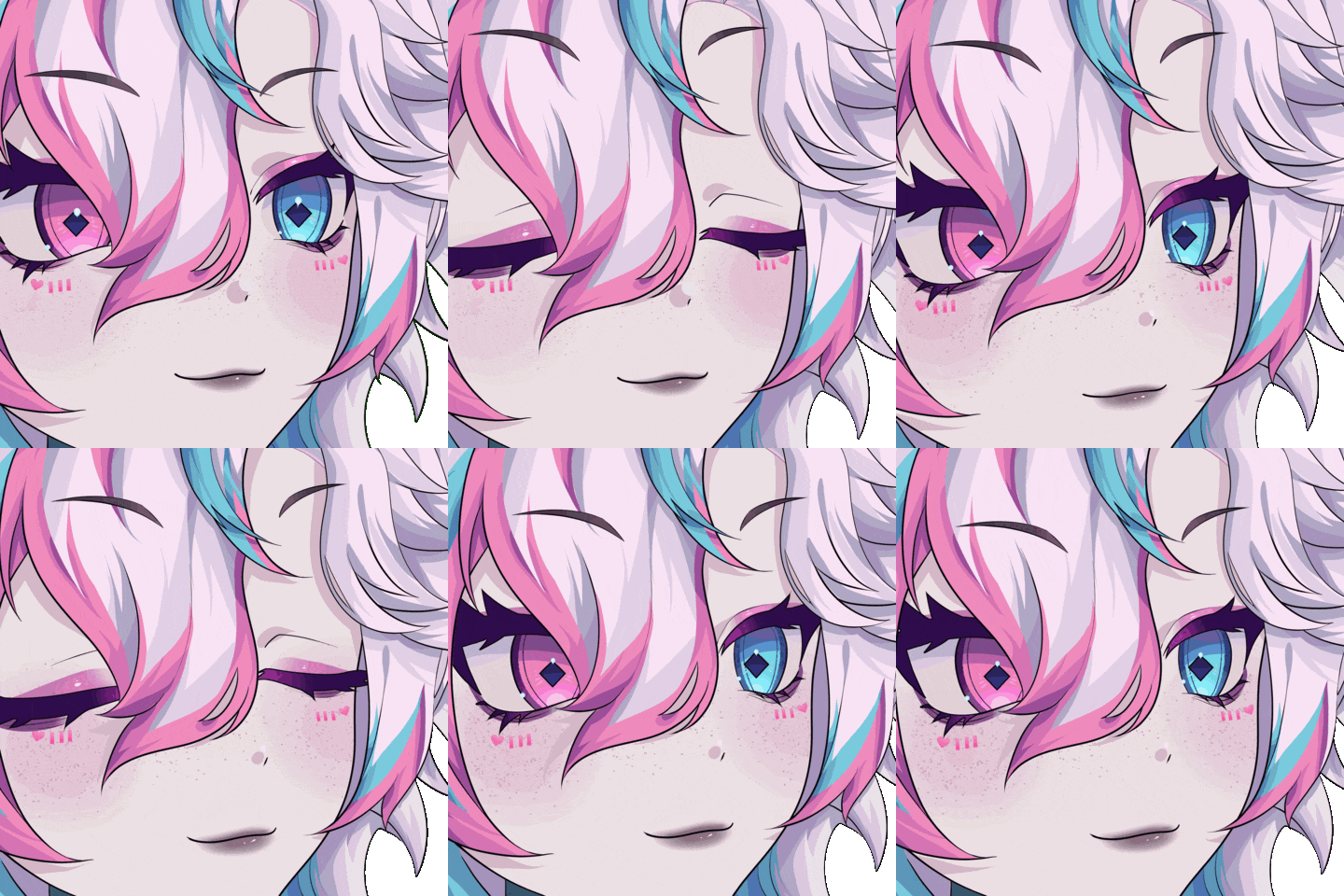
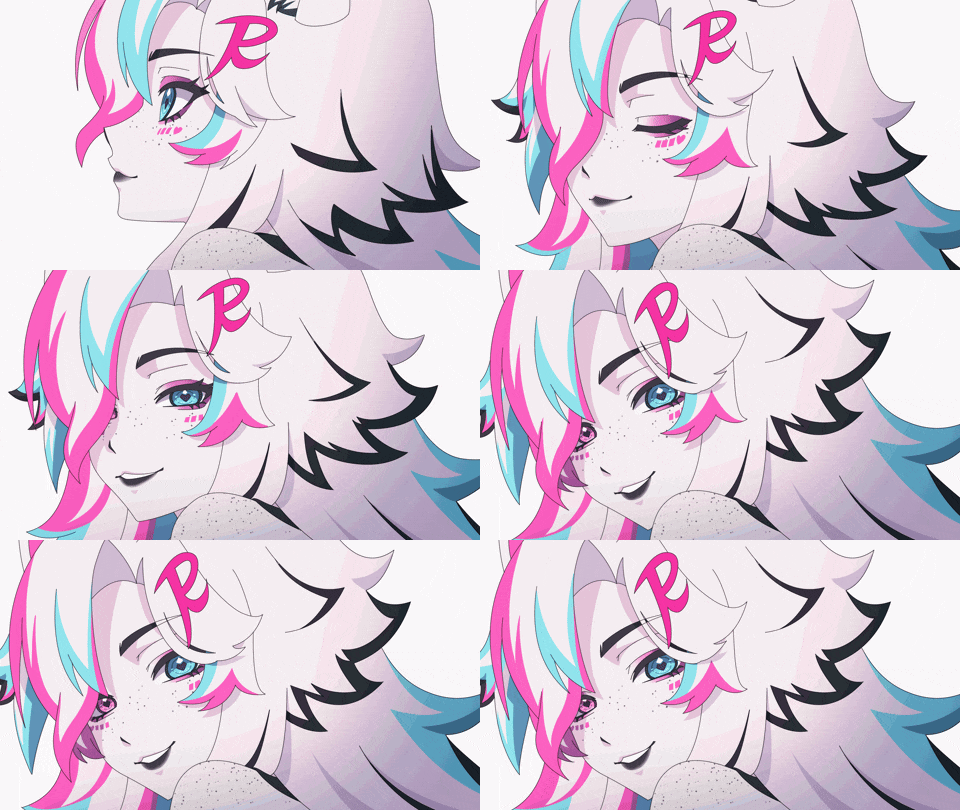
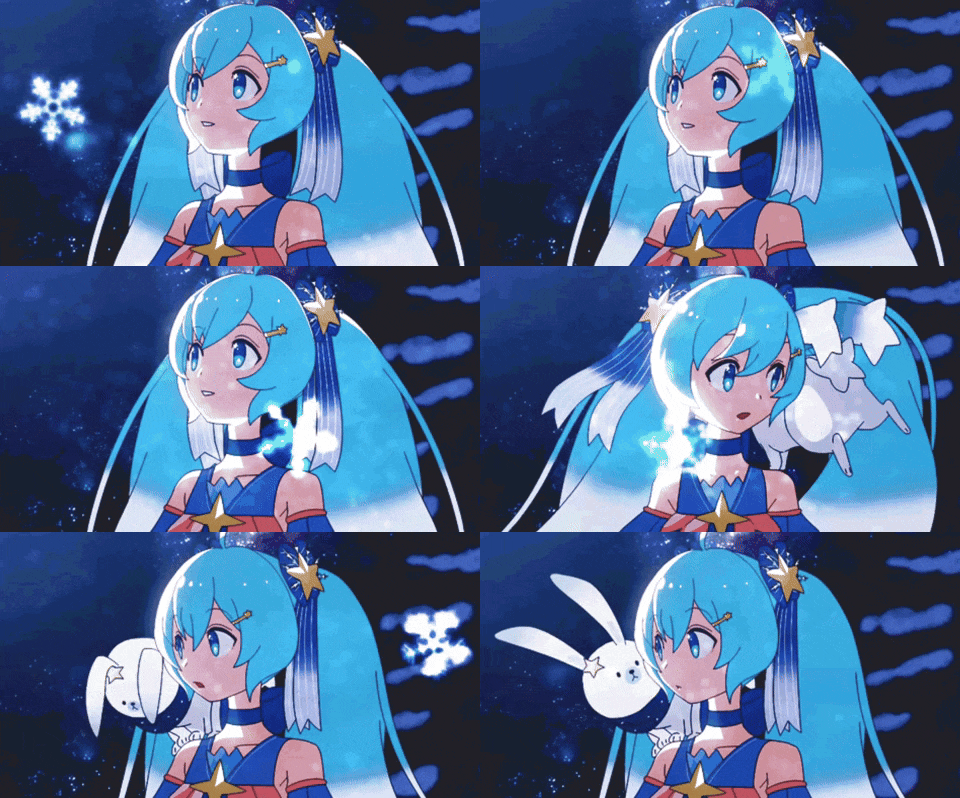
Anime Characters 🧚♀️
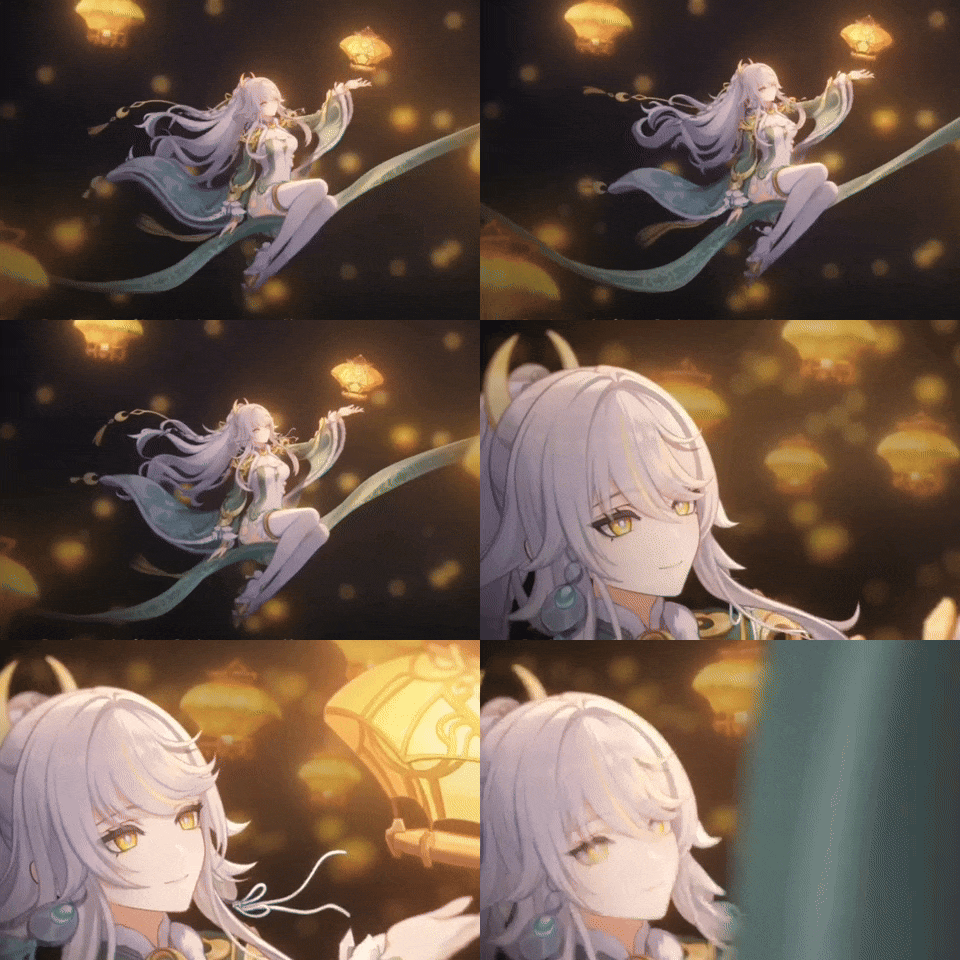
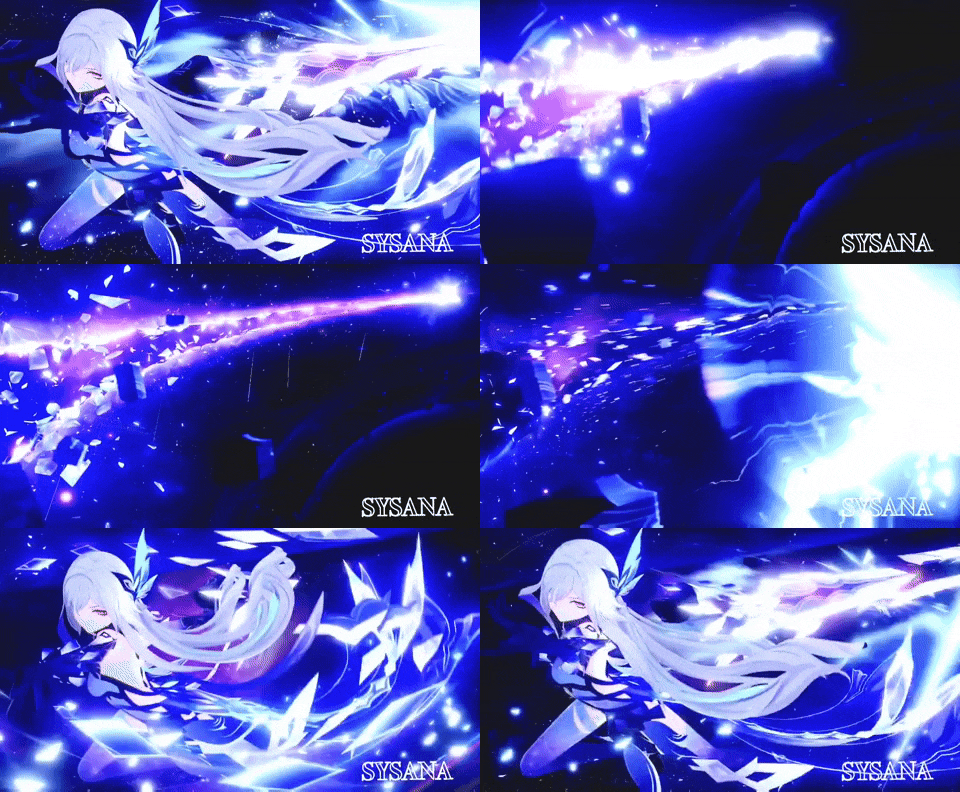
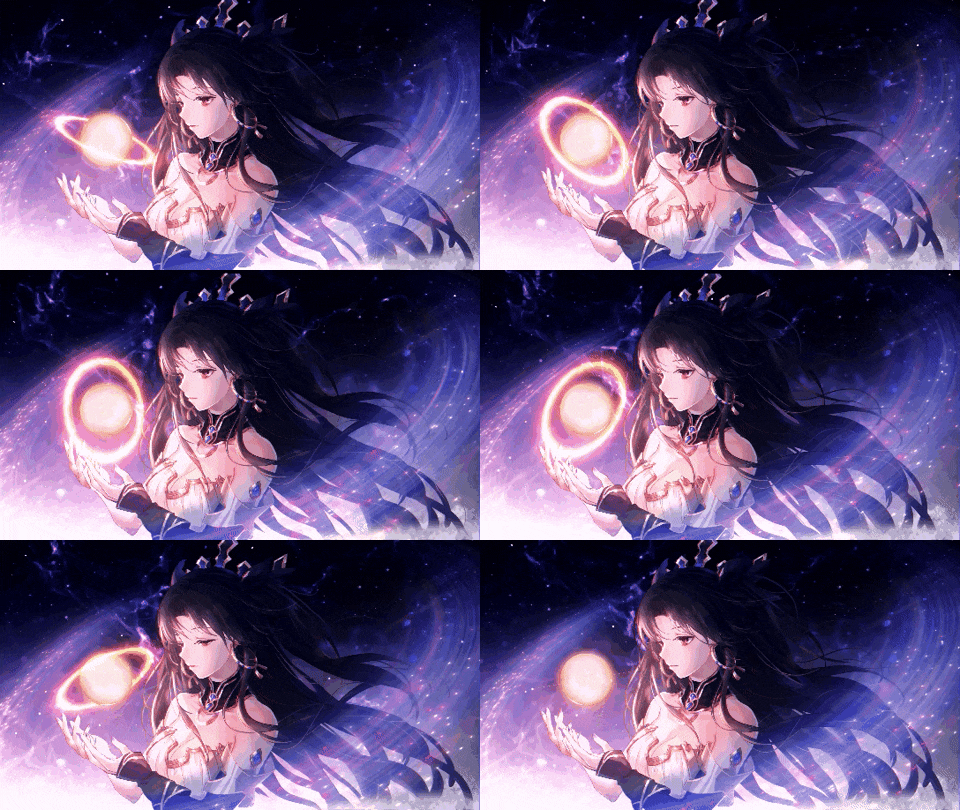
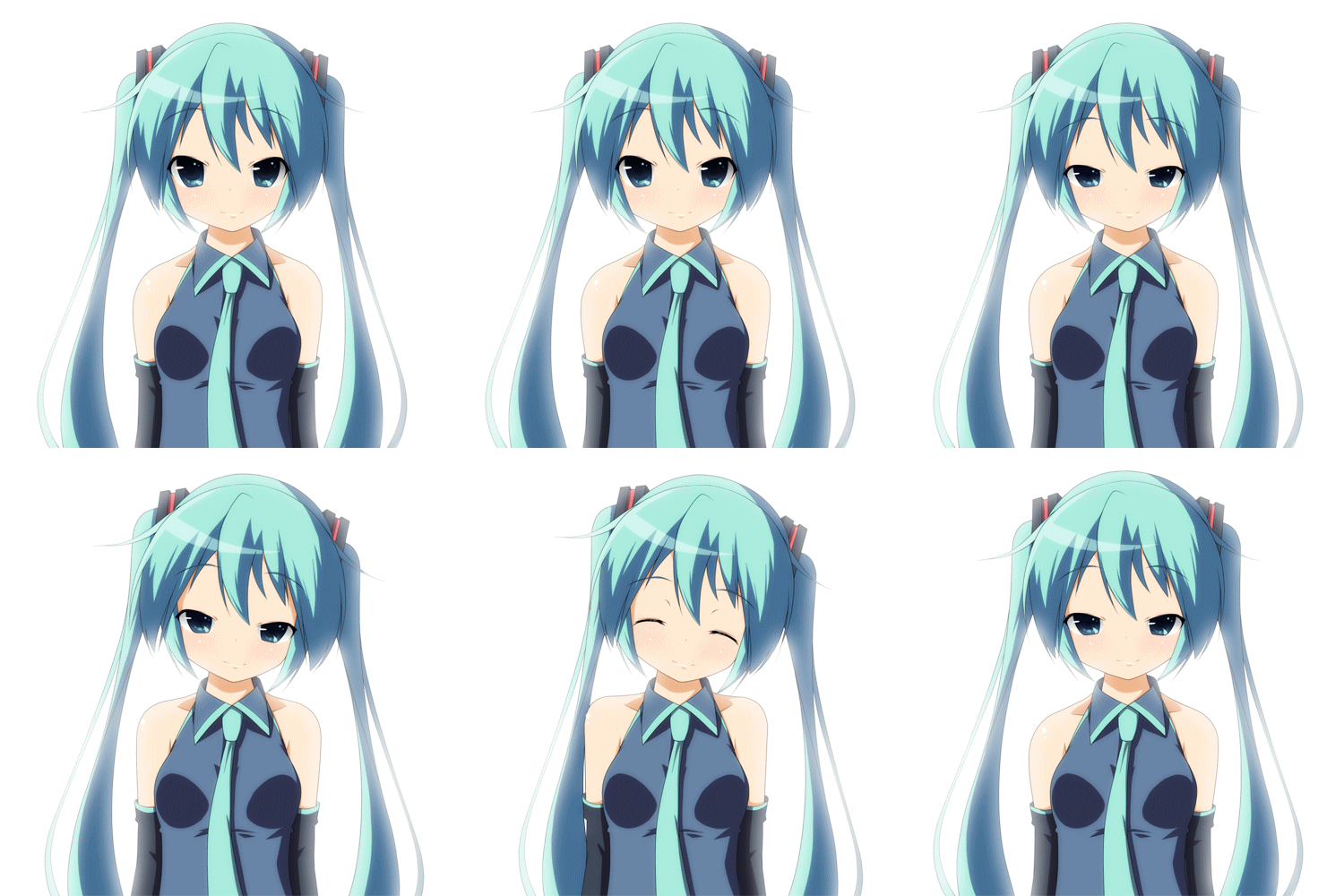
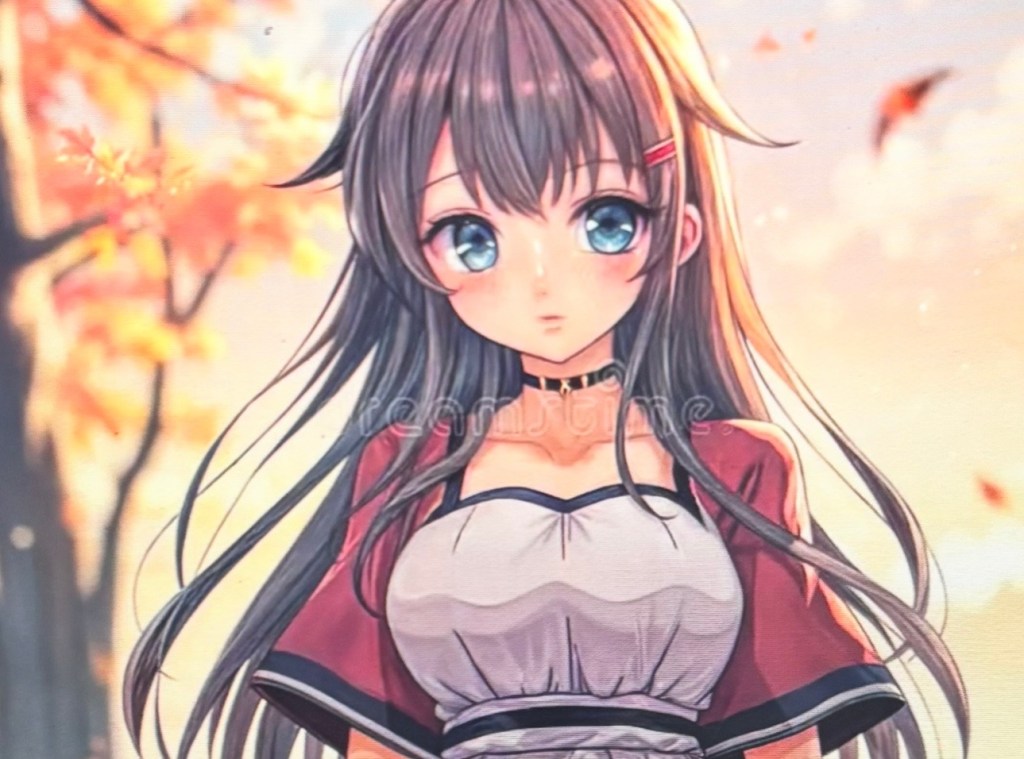
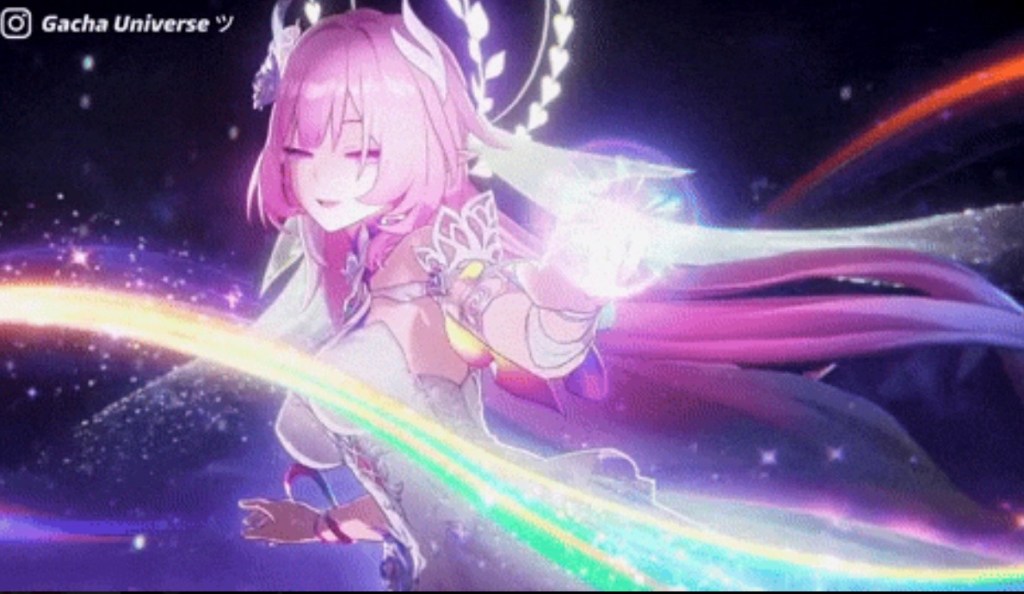
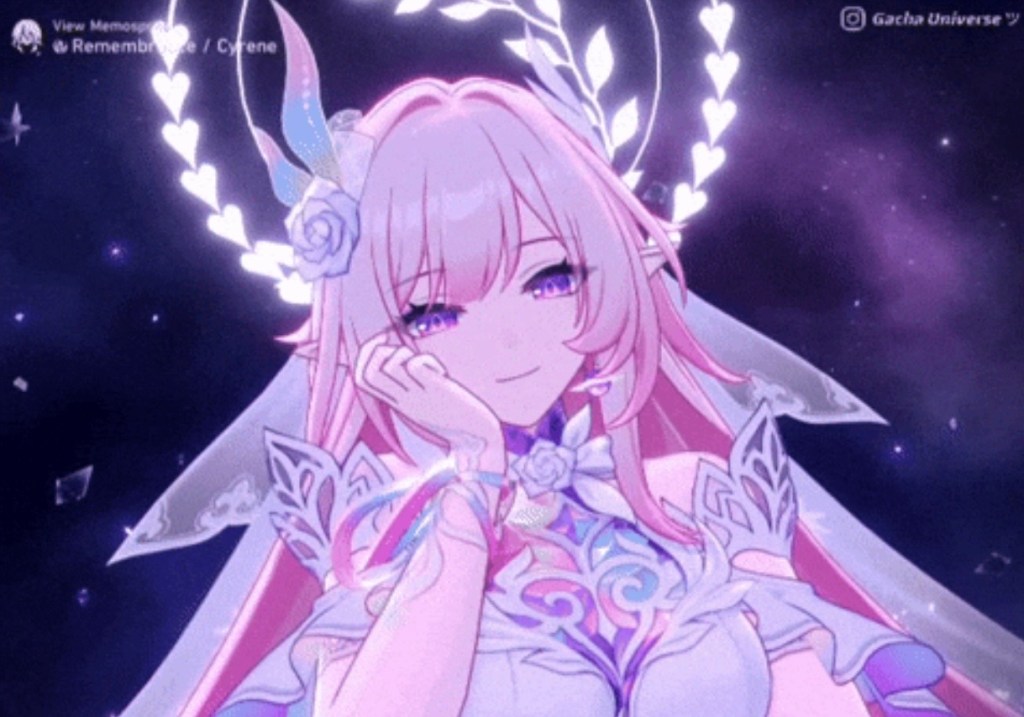
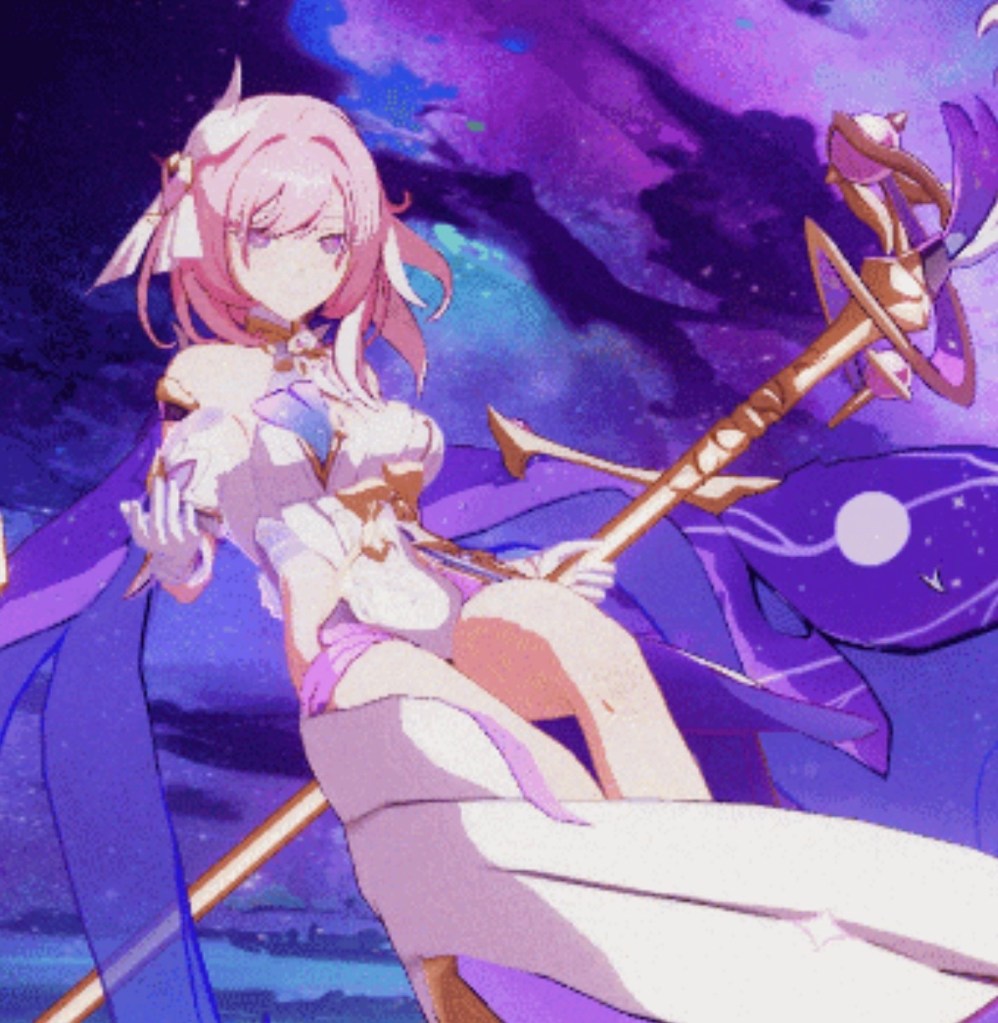
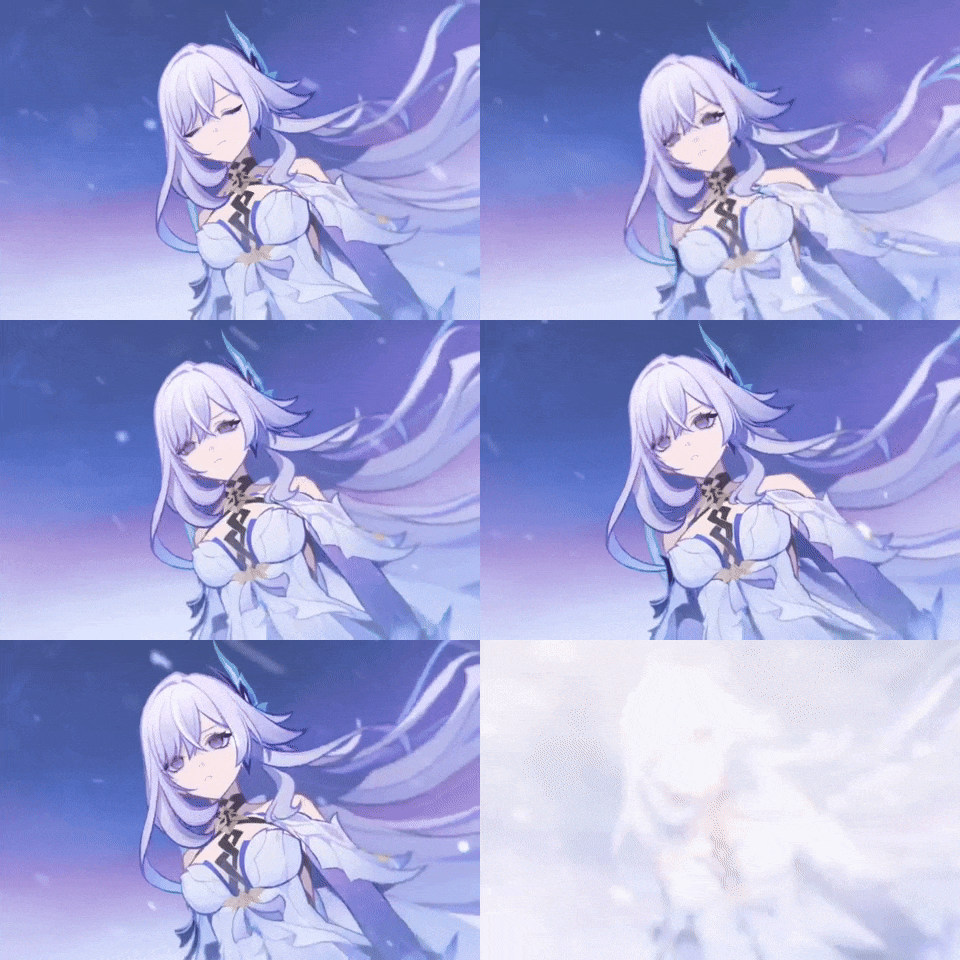
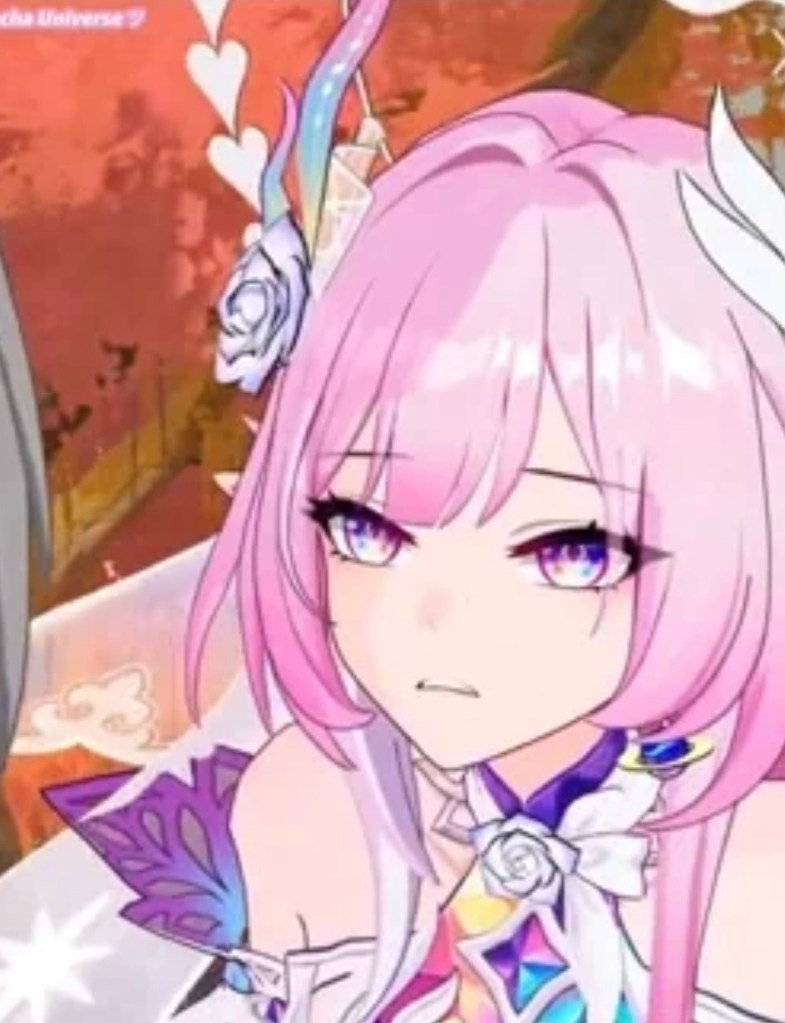
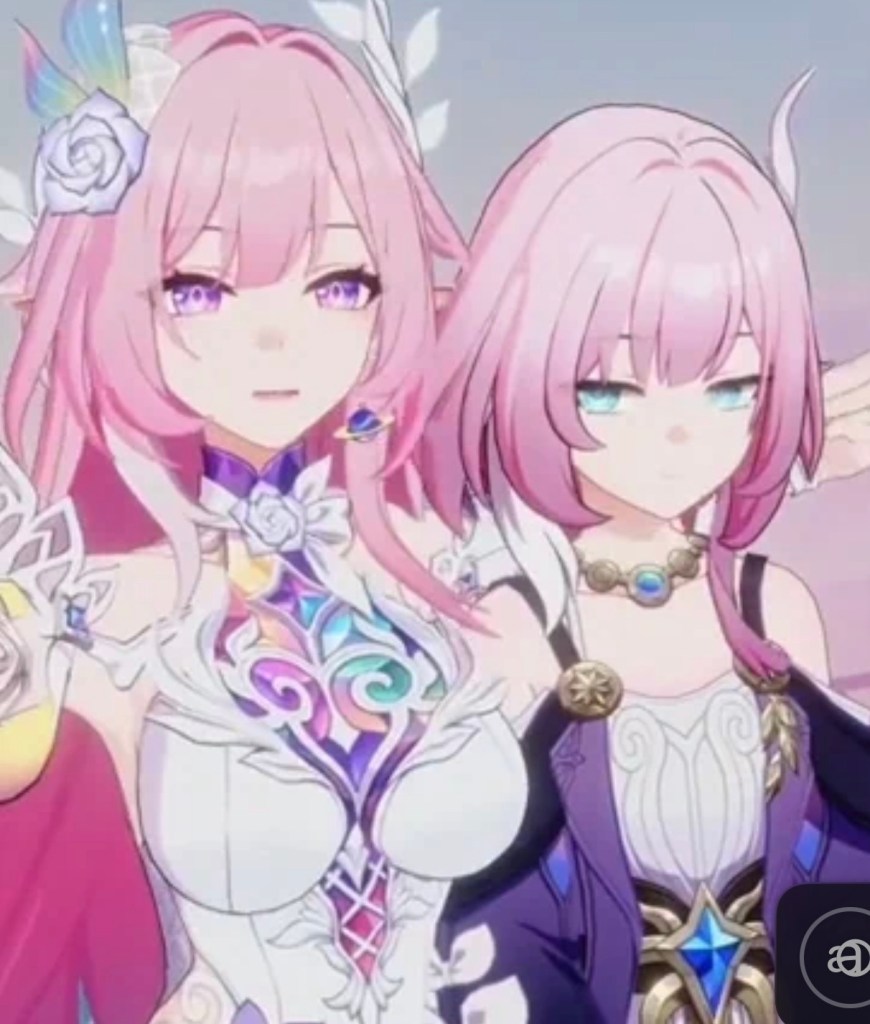
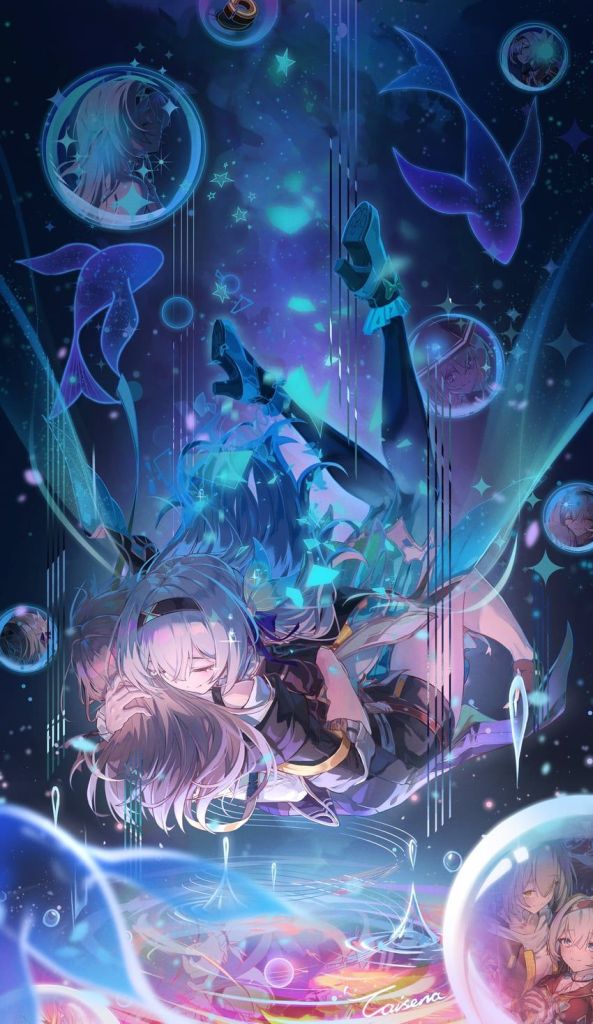
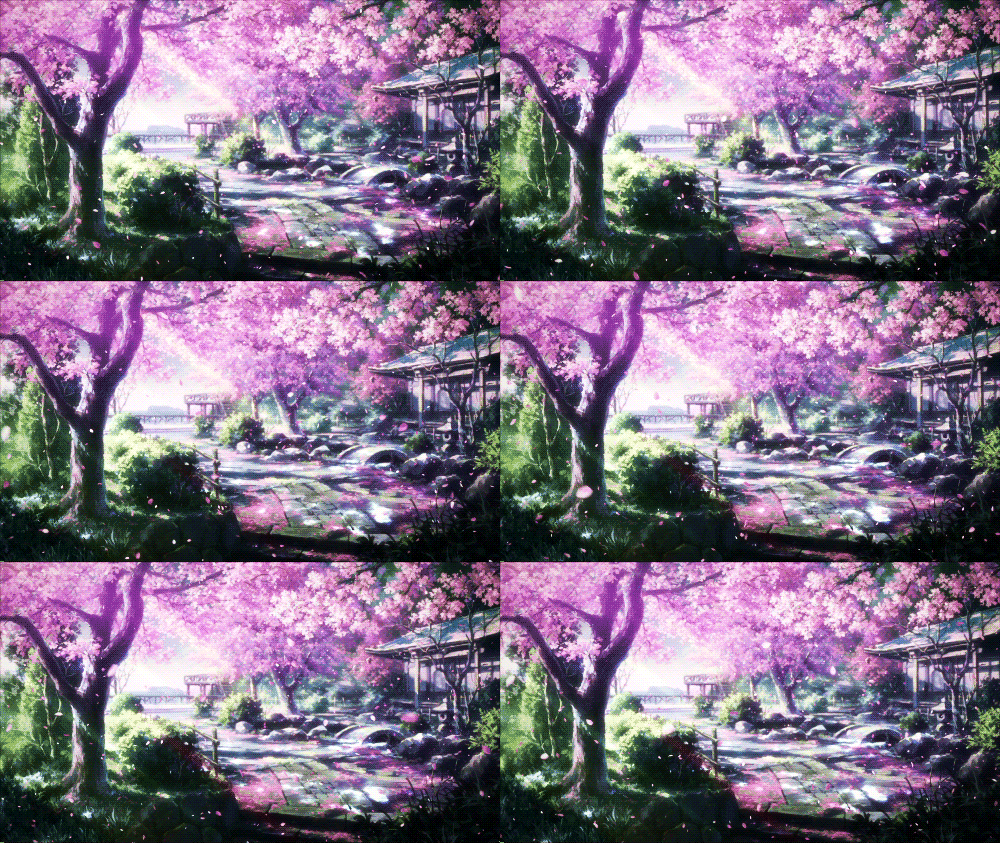
Anime is a style of animation that began in Japan and is known for colorful visuals, expressive characters, dramatic action, fantasy worlds, and emotional storytelling. Unlike many cartoons made only for comedy, anime can cover almost every genre: action, romance, science fiction, horror, mystery, slice of life, sports, and adventure.
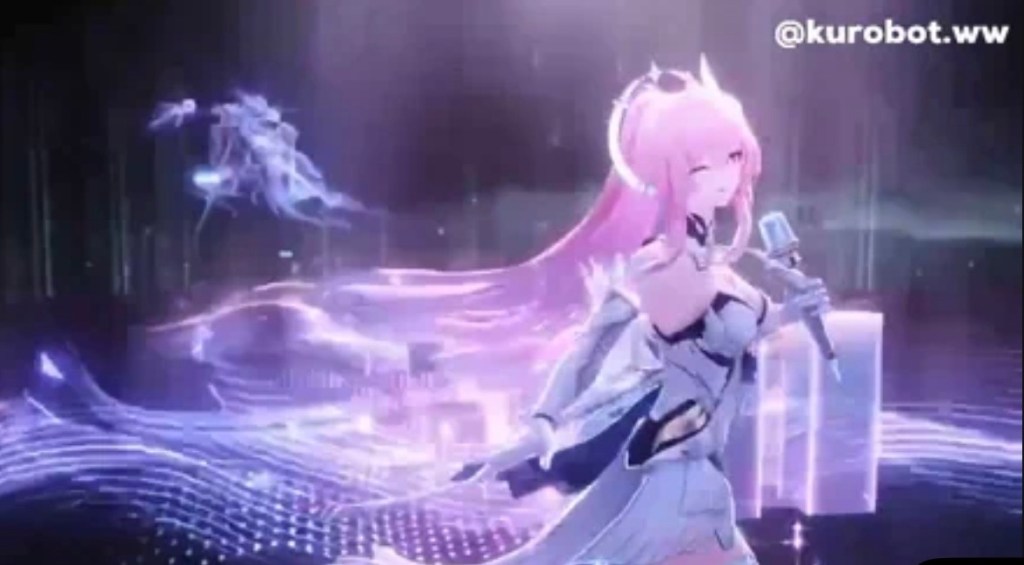
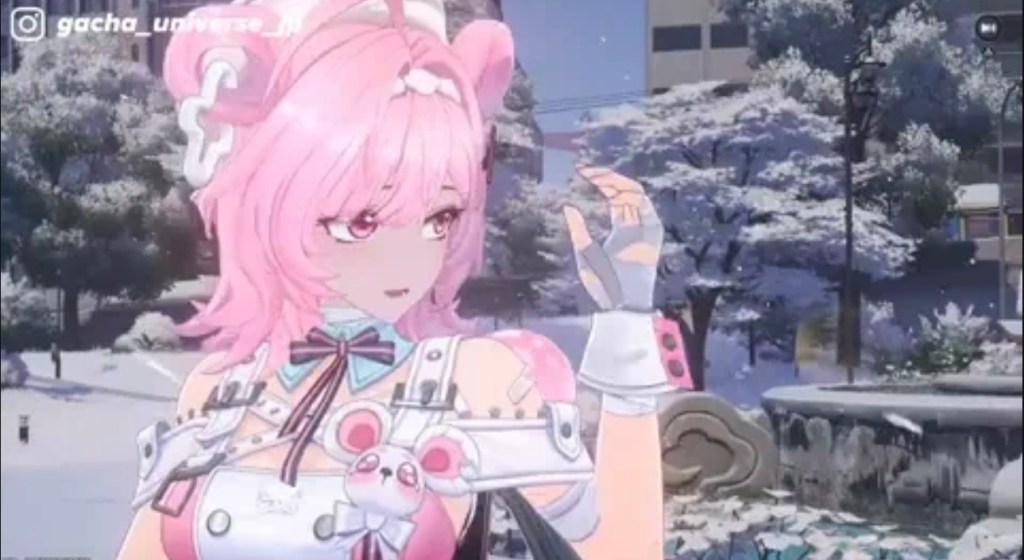
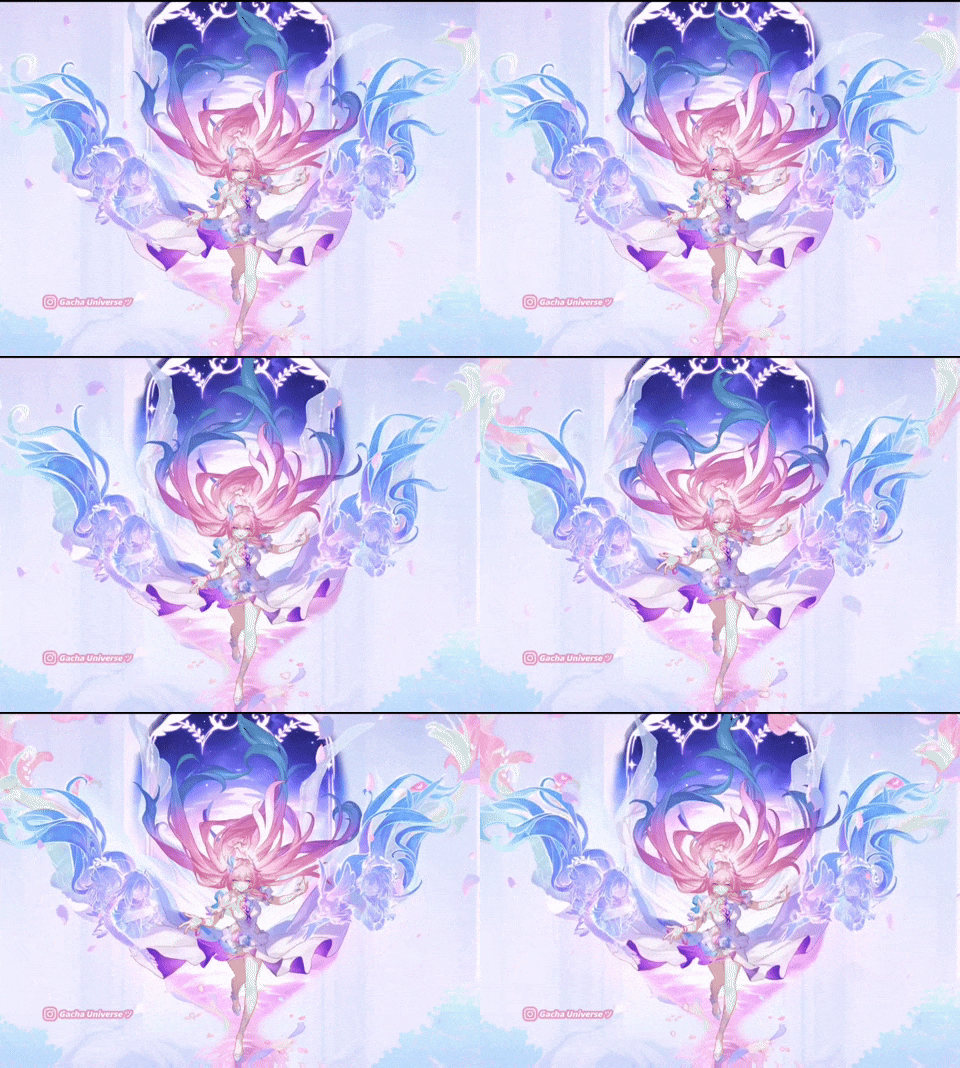
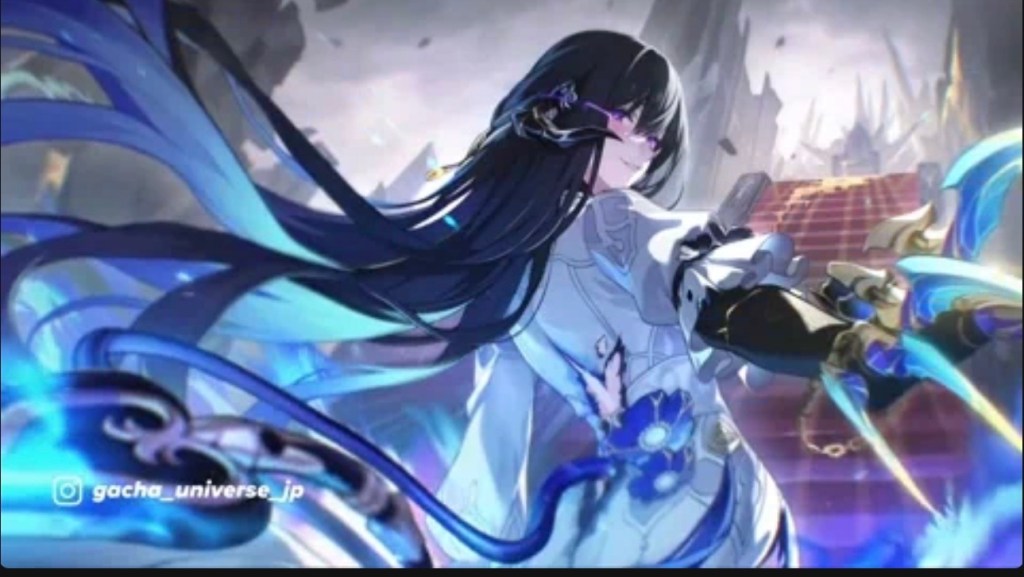
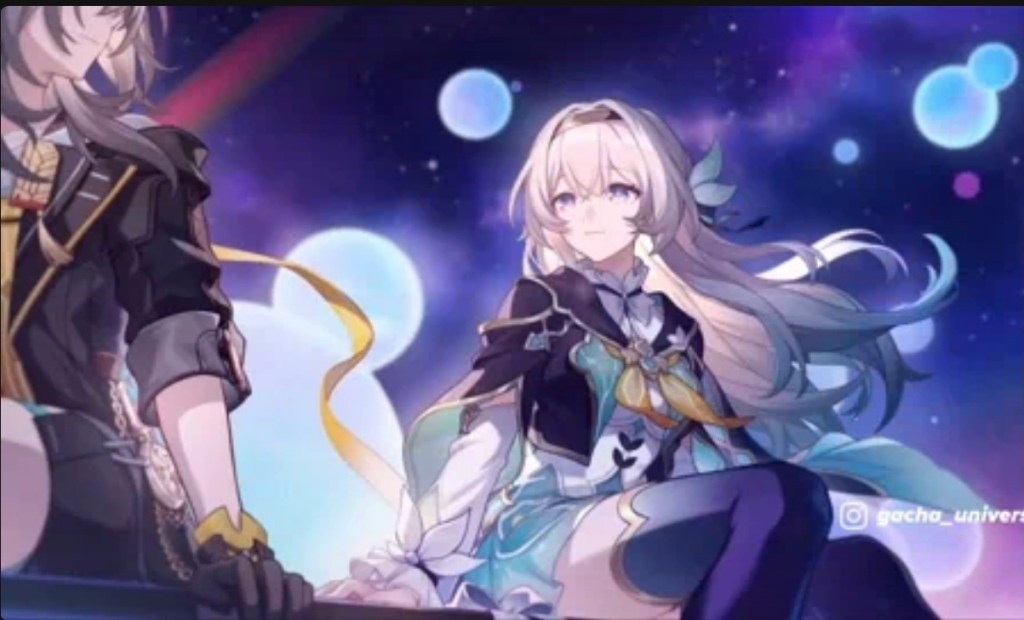
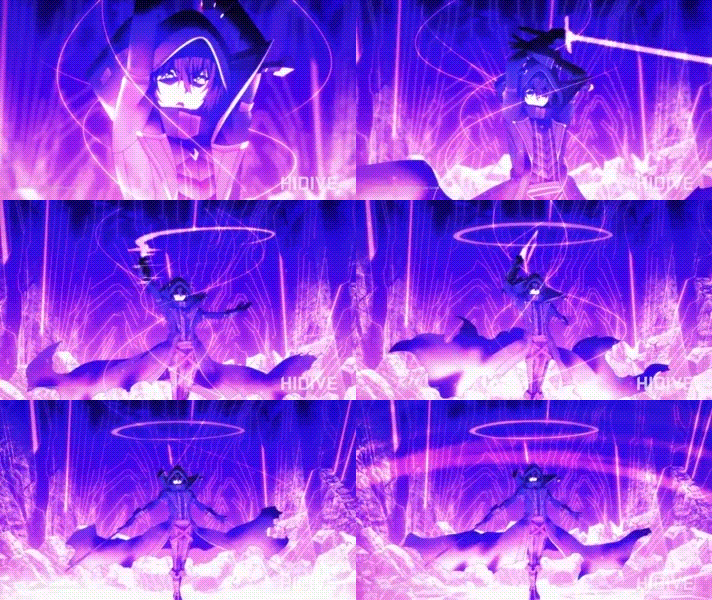
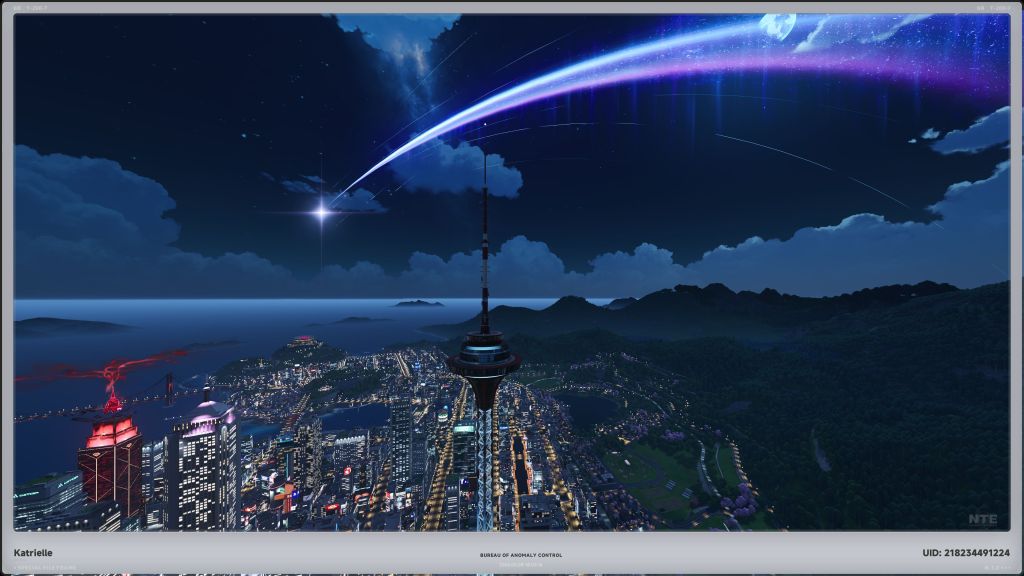
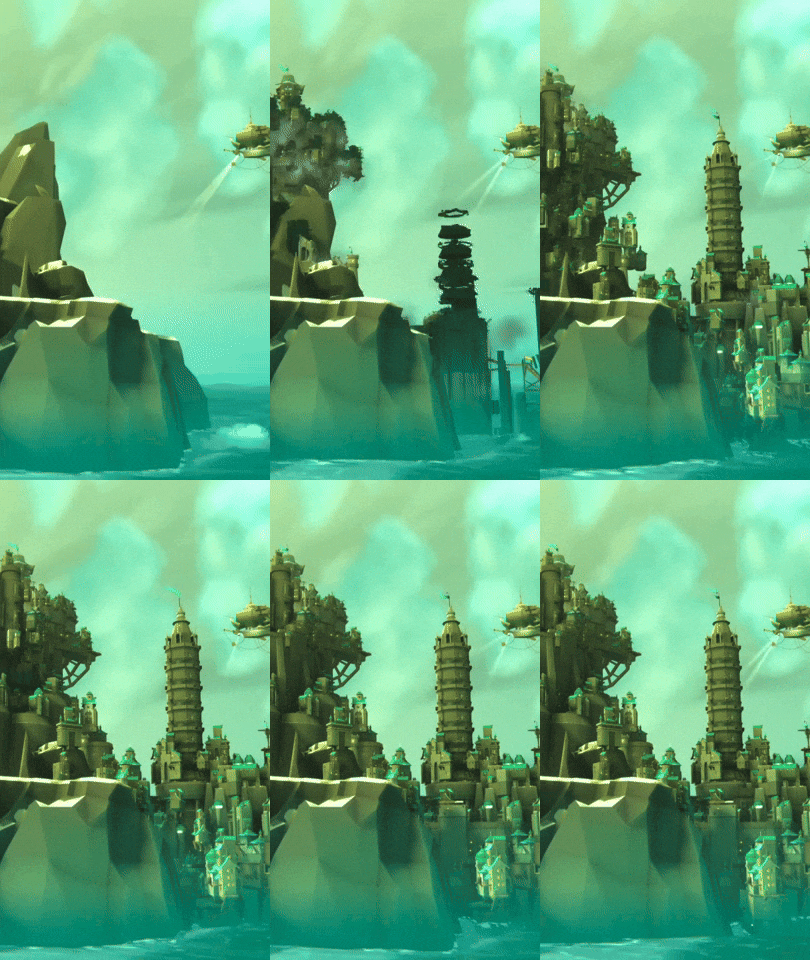
Many modern games are not technically anime, but they use an anime-inspired style. Wuthering Waves is an open-world action RPG by Kuro Games with fast combat, post-apocalyptic scenery, and stylish character designs. Honkai: Star Rail is a HoYoverse space fantasy RPG with turn-based battles, cinematic story scenes, and characters designed like anime heroes. Neverness to Everness is a supernatural urban open-world RPG by Hotta Studio, mixing anime-style characters with a city full of paranormal events. An Adventurer’s Tale is listed as an anime/manga-style RPG and visual novel, showing how anime visuals also appear in smaller story-based games.
Anime is detailed because it often builds entire worlds around its characters. Hair color, clothing, weapons, eye design, music, and setting usually tell the viewer something about a character’s personality or role. For example, futuristic anime-style games often use glowing weapons, floating cities, robots, and strange powers to create a science-fiction feeling. Fantasy anime uses kingdoms, monsters, magic systems, and chosen heroes. Urban anime mixes normal city life with supernatural danger, which is why games like Neverness to Everness feel modern but still mysterious.
A key fact about anime is that it is both an art style and a storytelling culture. It influences shows, movies, games, fashion, music videos, and online fandoms around the world. Anime-style games often borrow anime’s biggest strengths: memorable characters, emotional stories, dramatic battles, and highly designed worlds that make players want to explore.
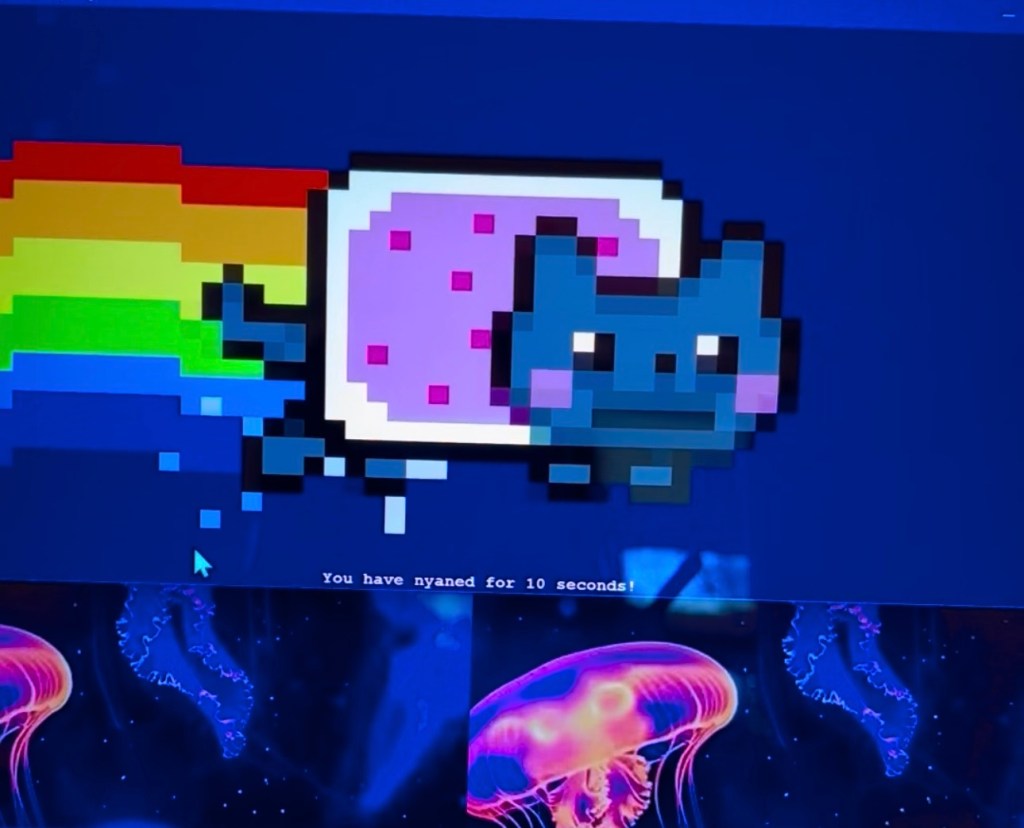
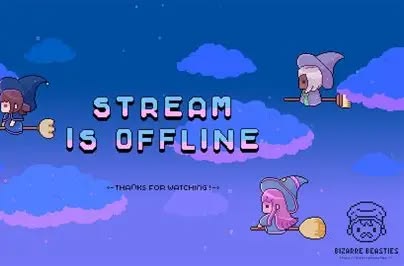
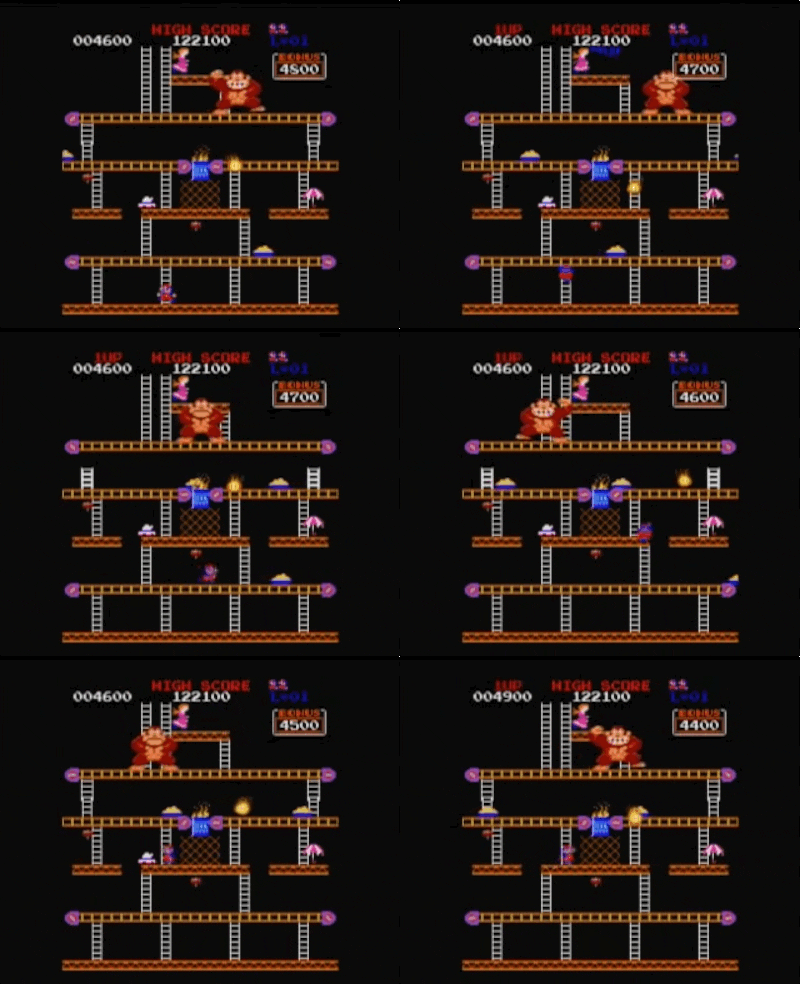
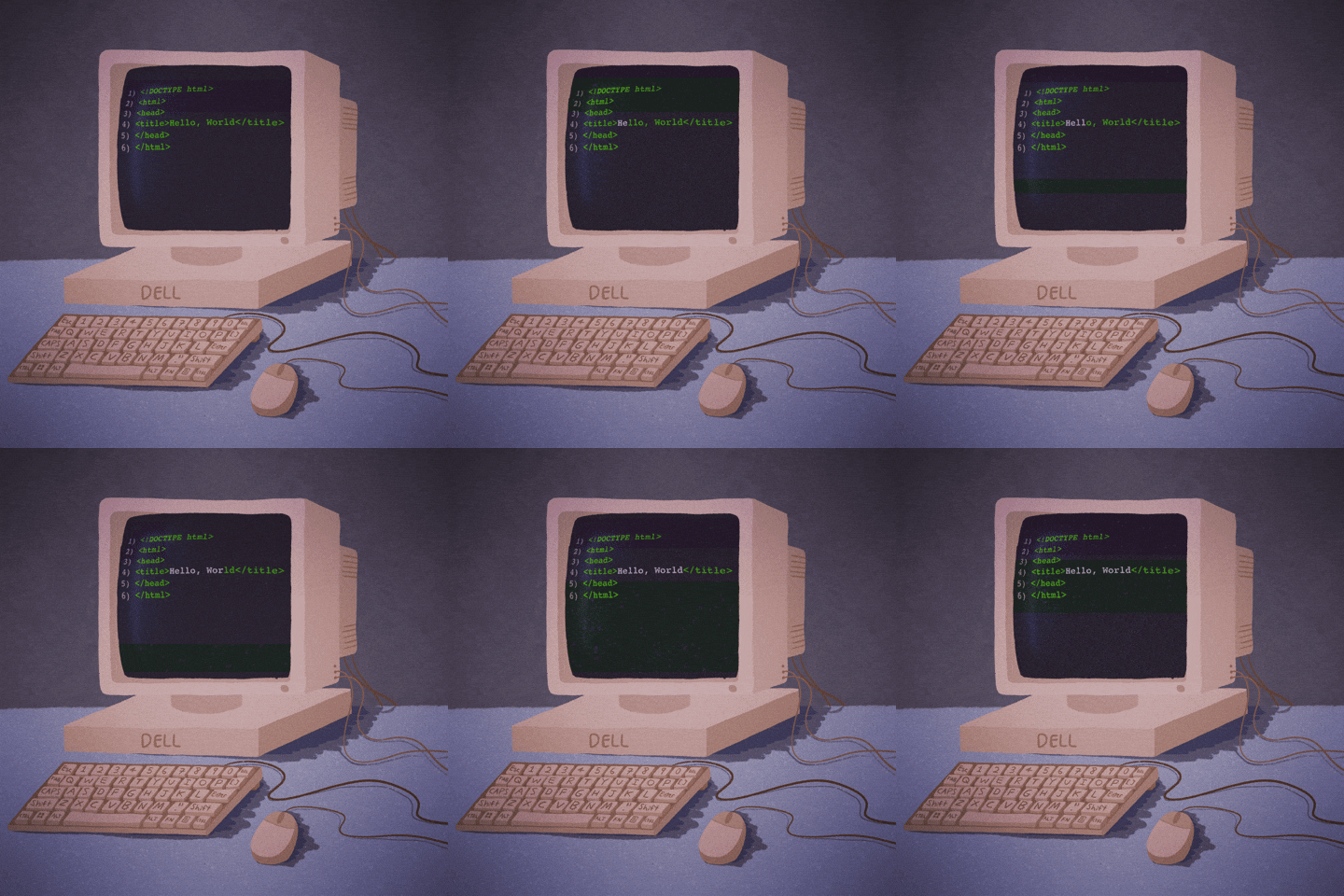
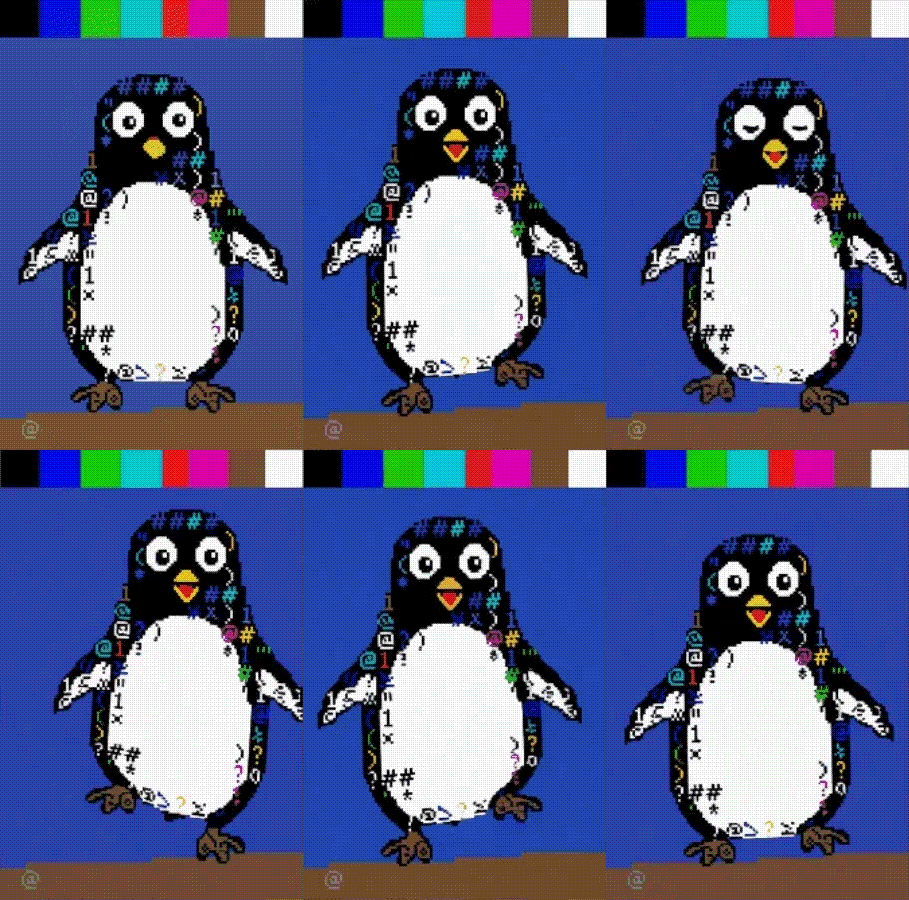
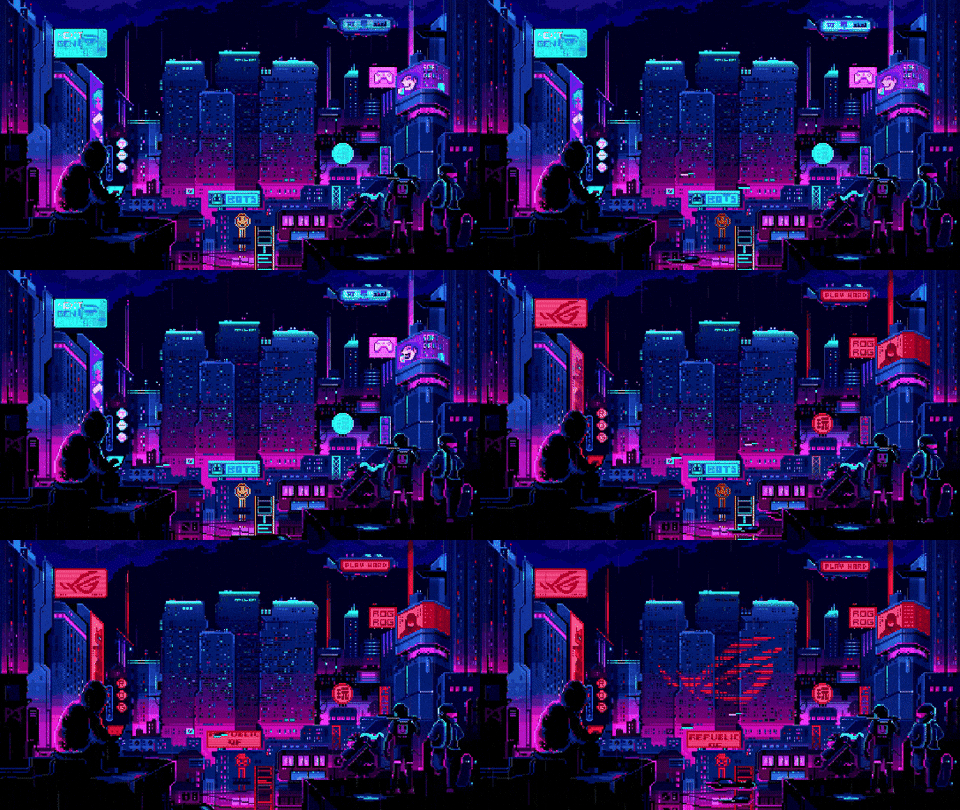
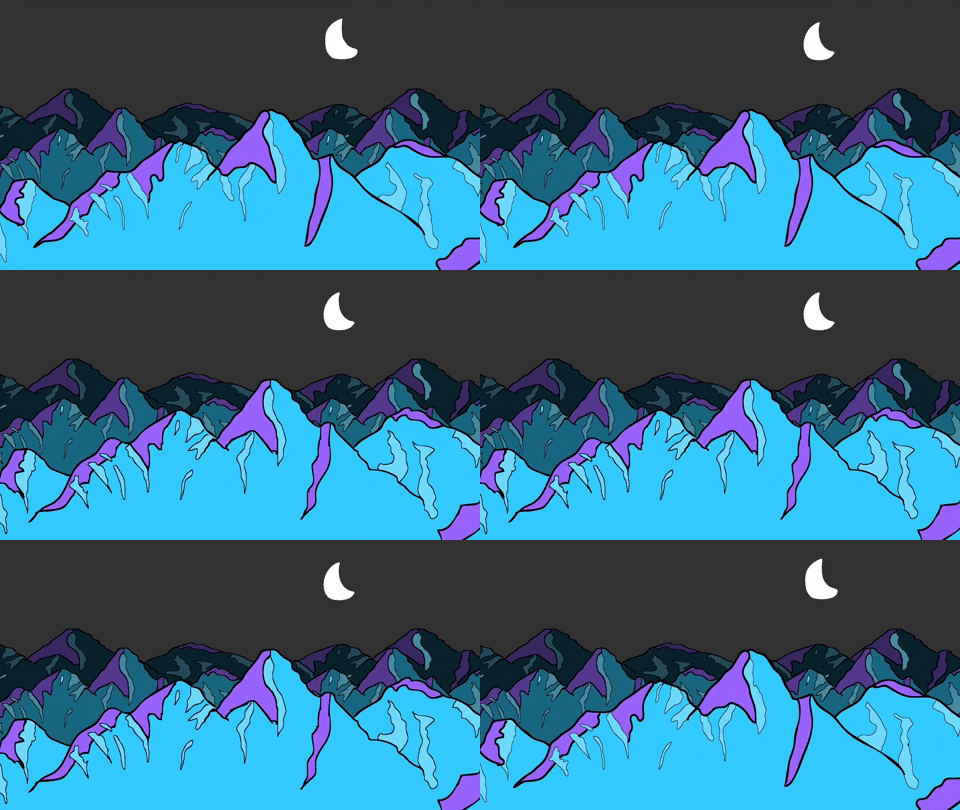
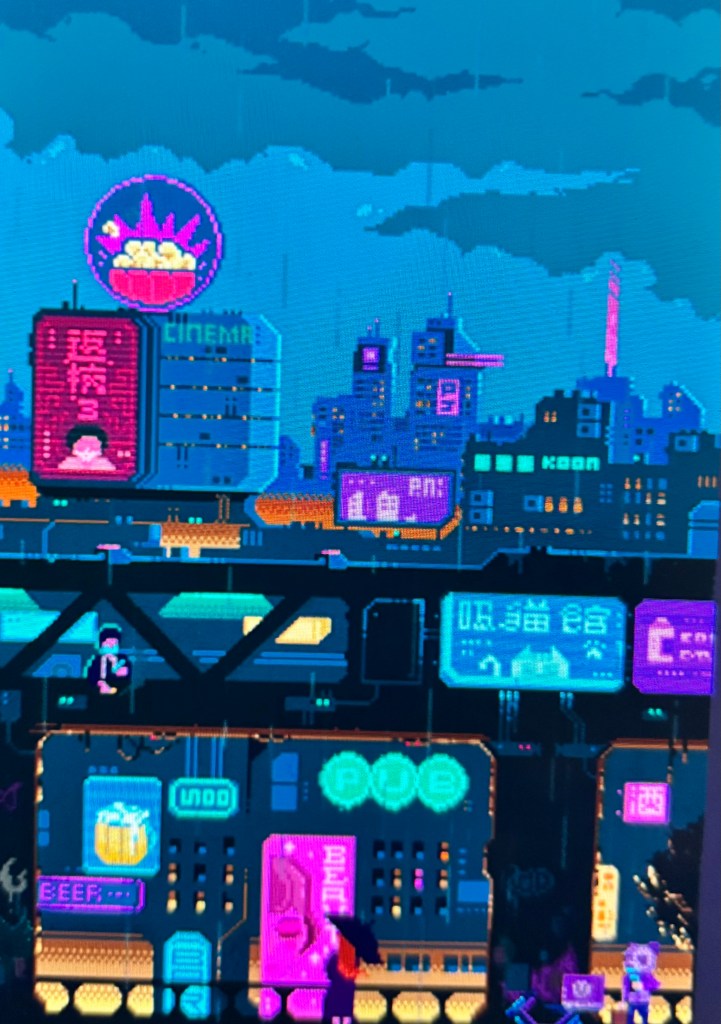
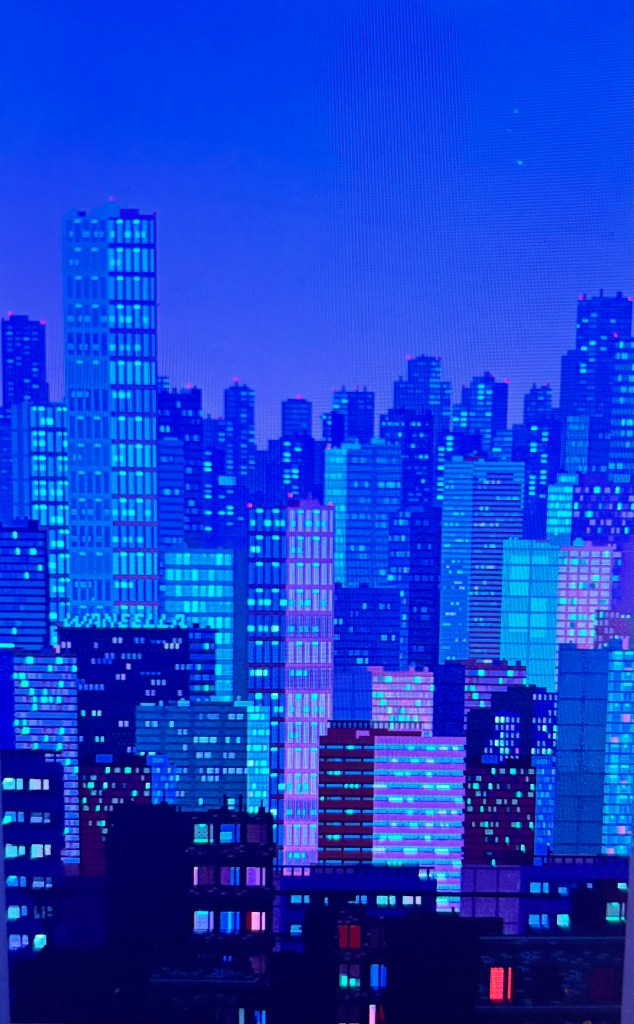
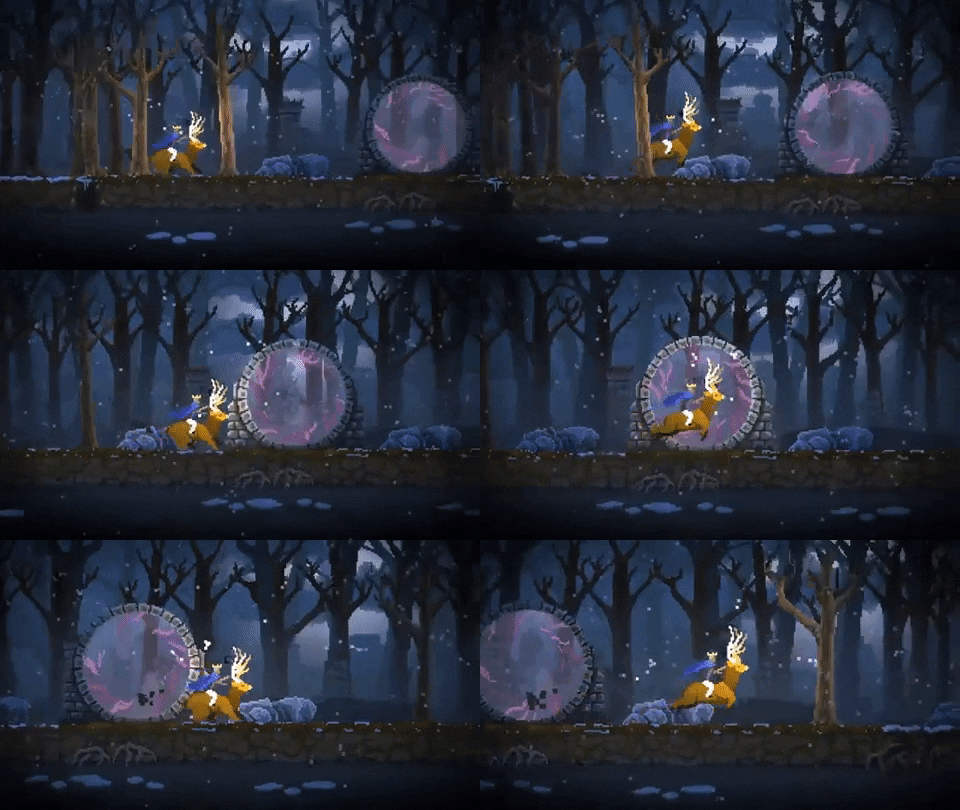
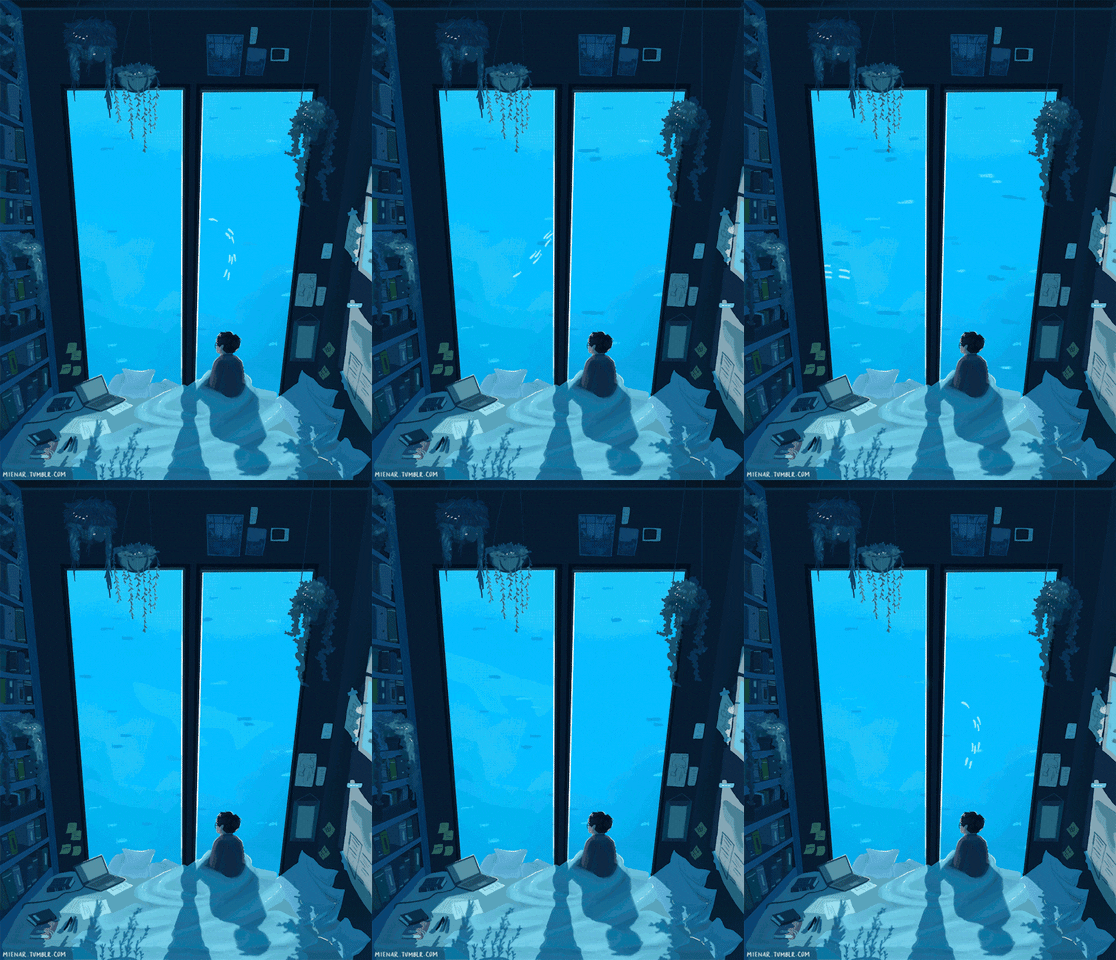
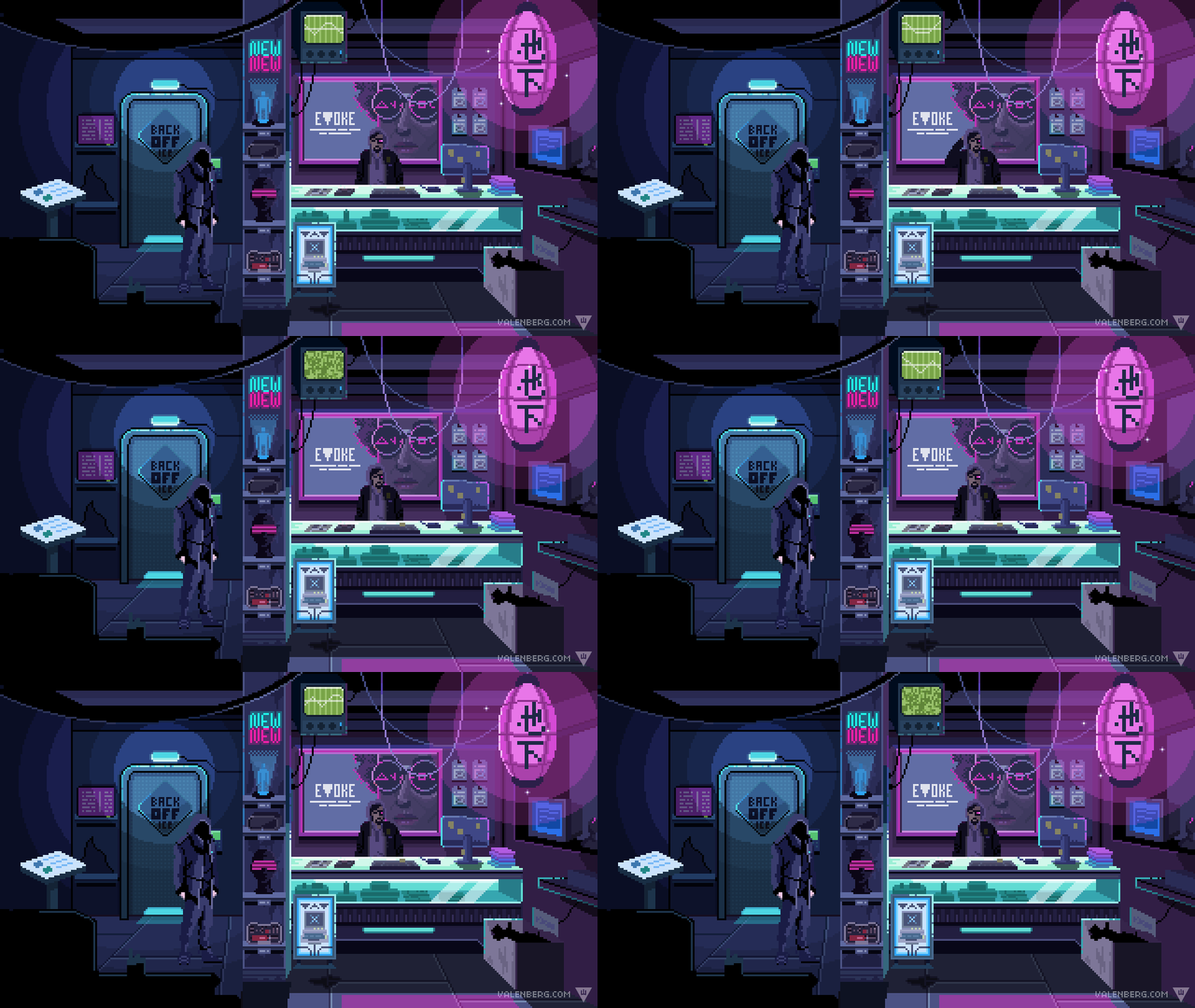
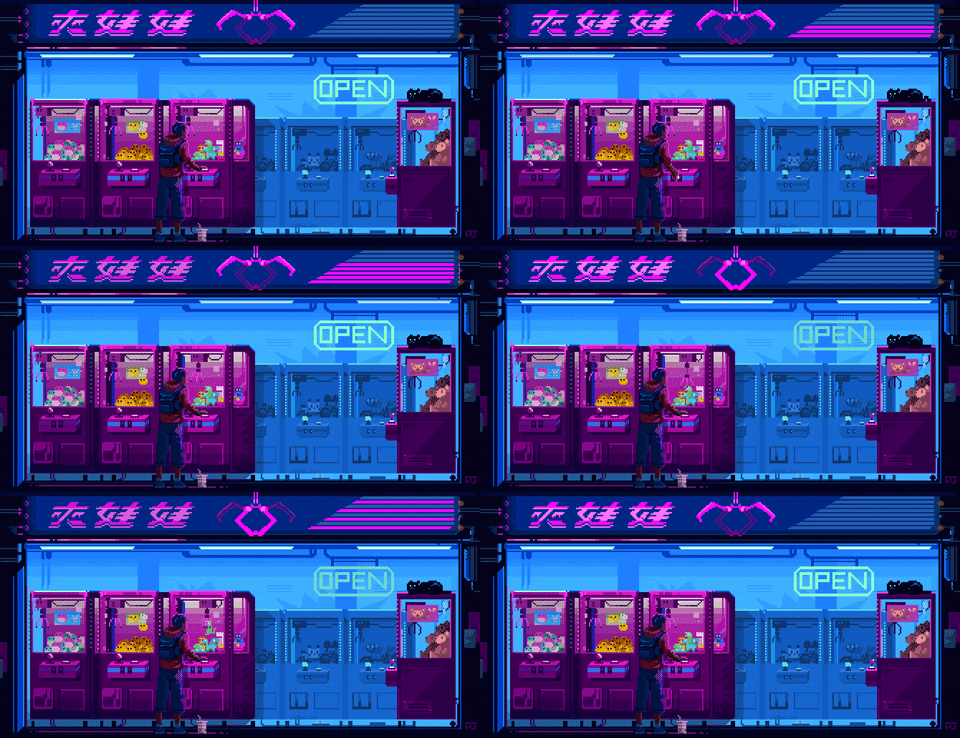
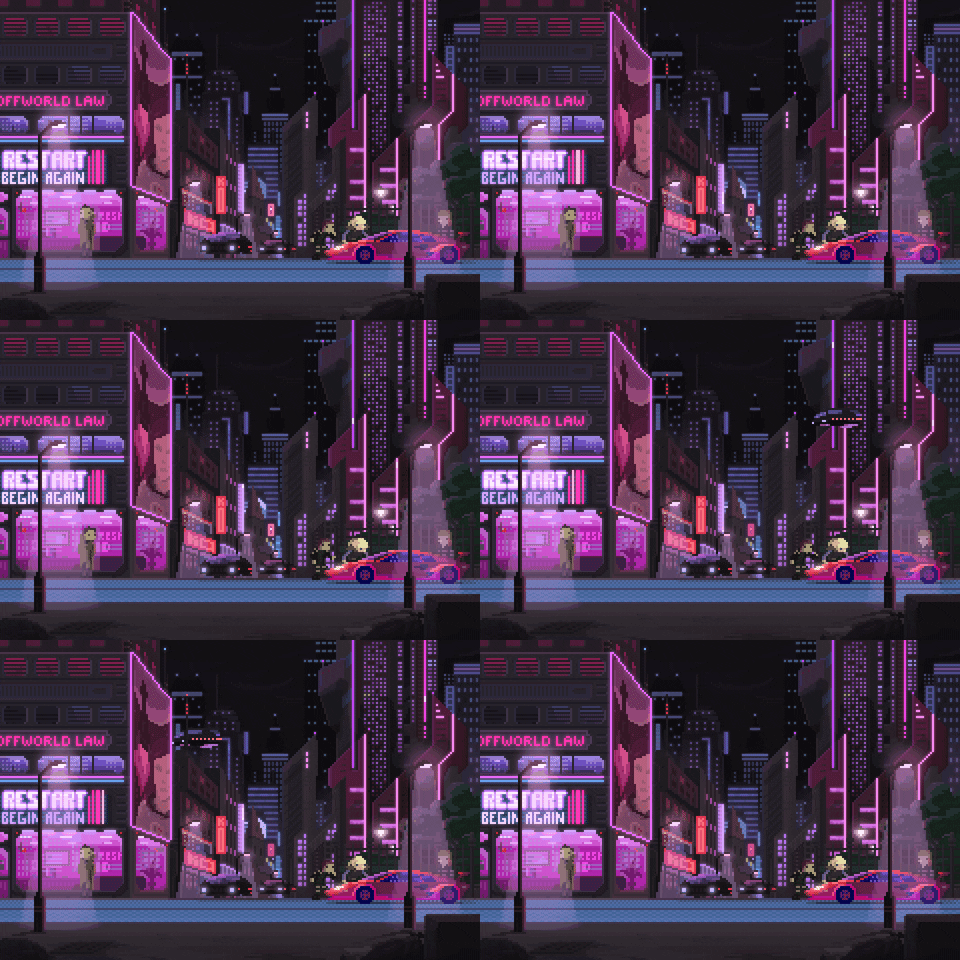
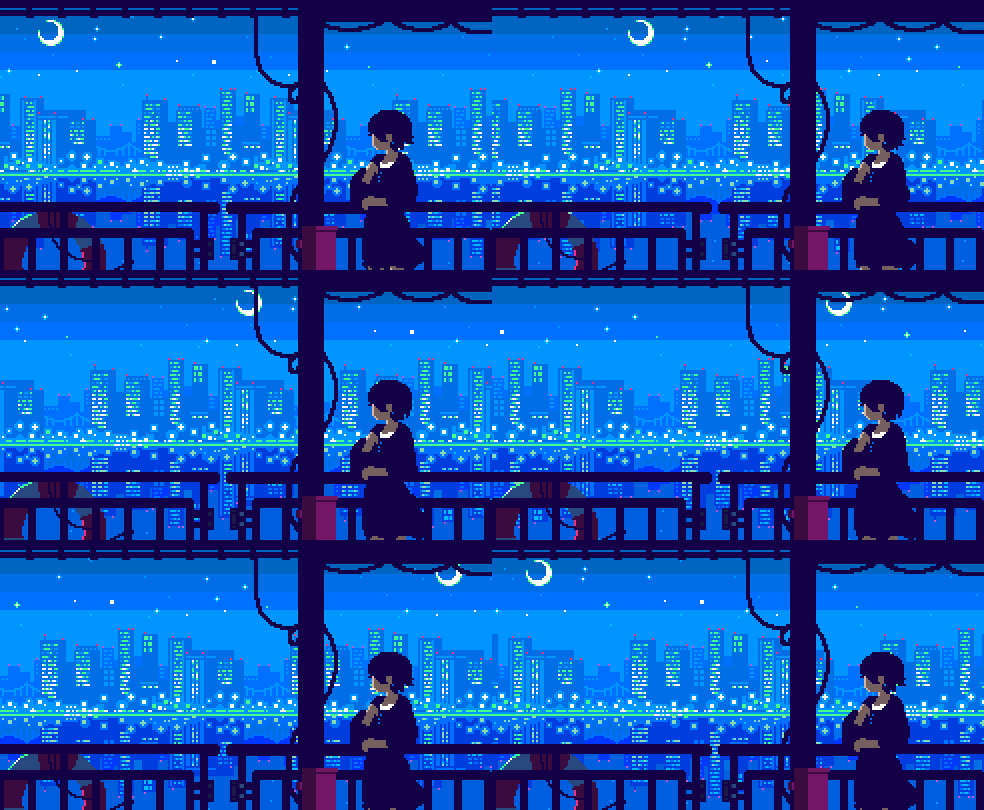
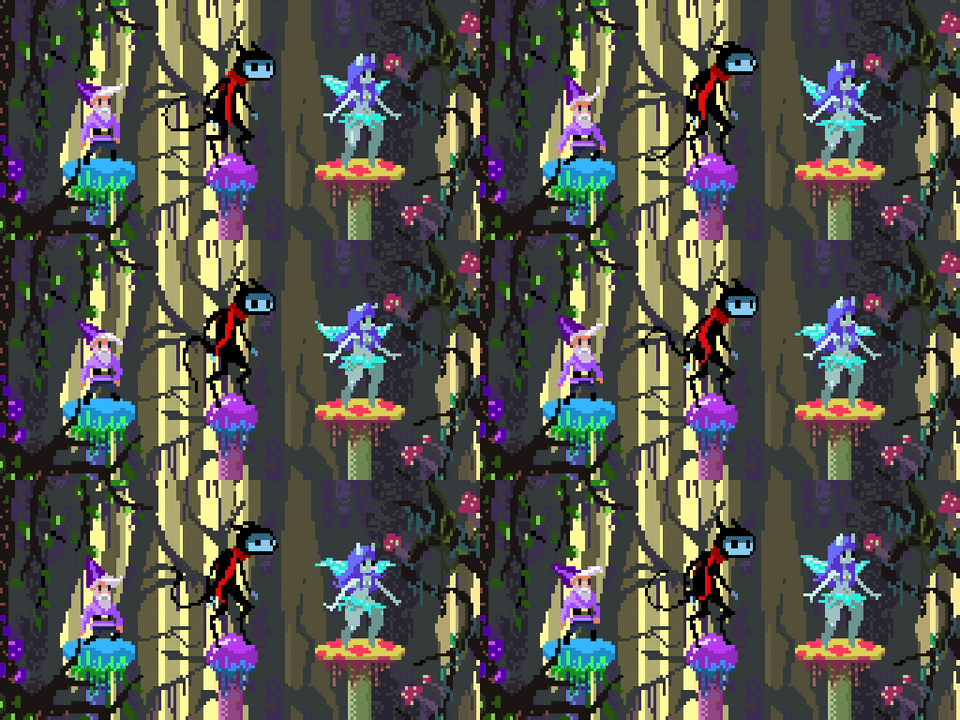
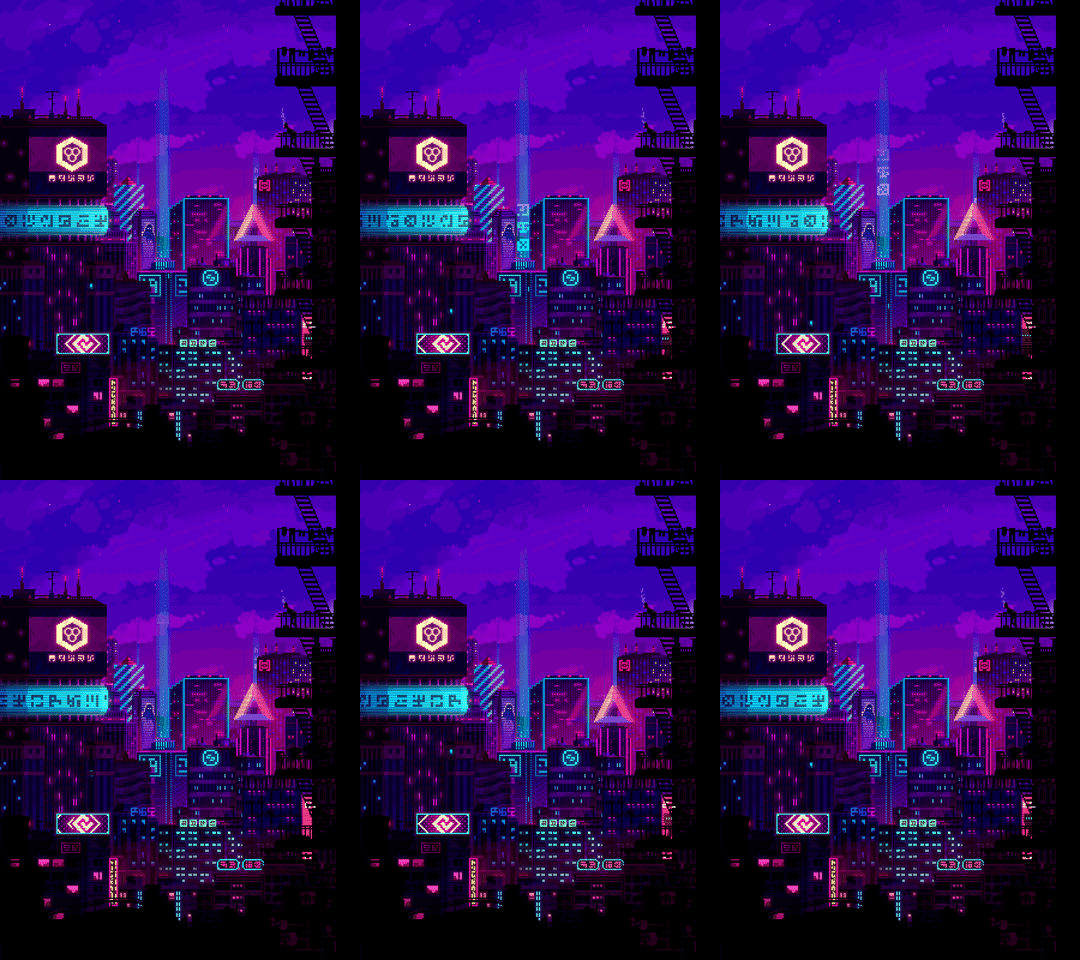
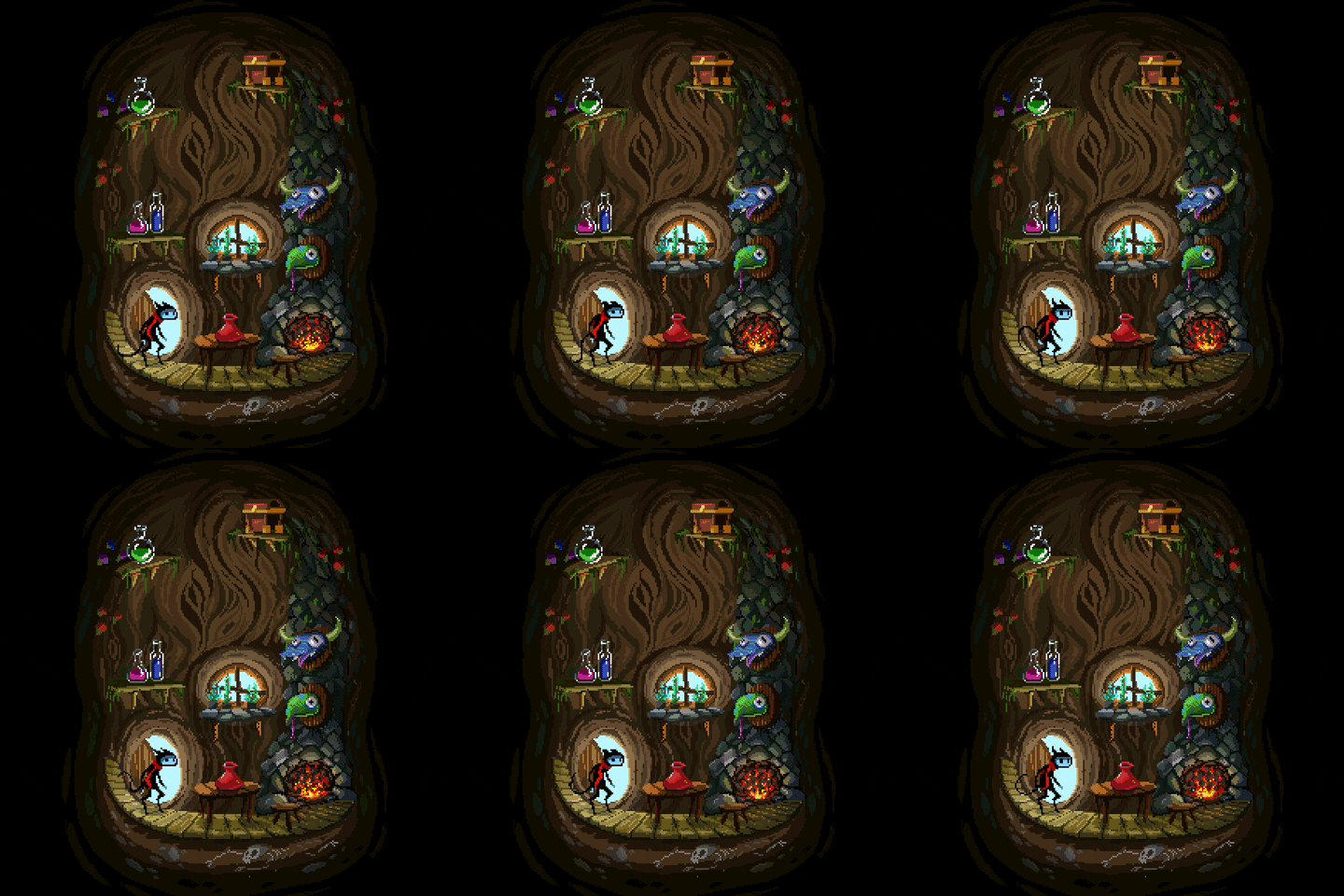
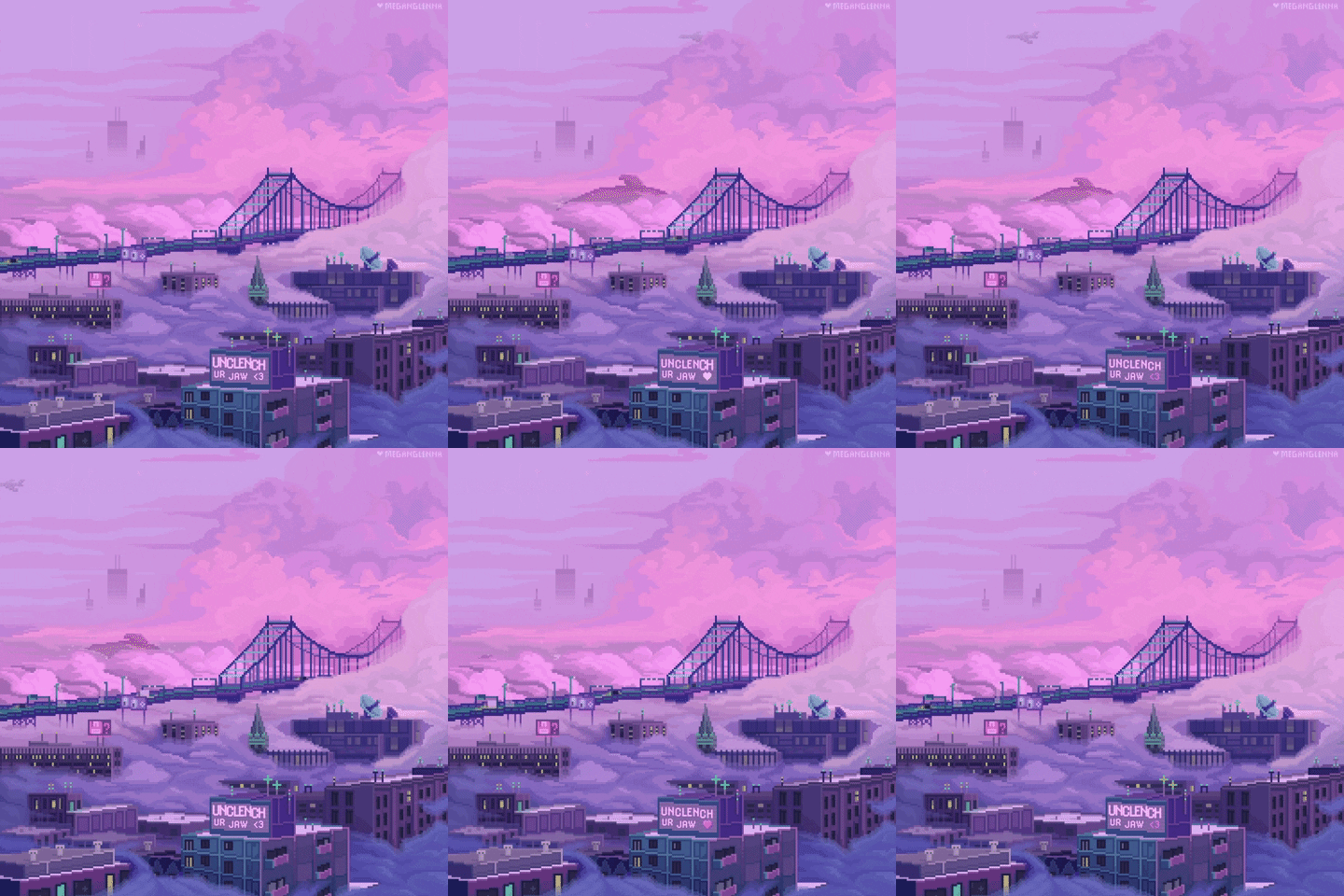
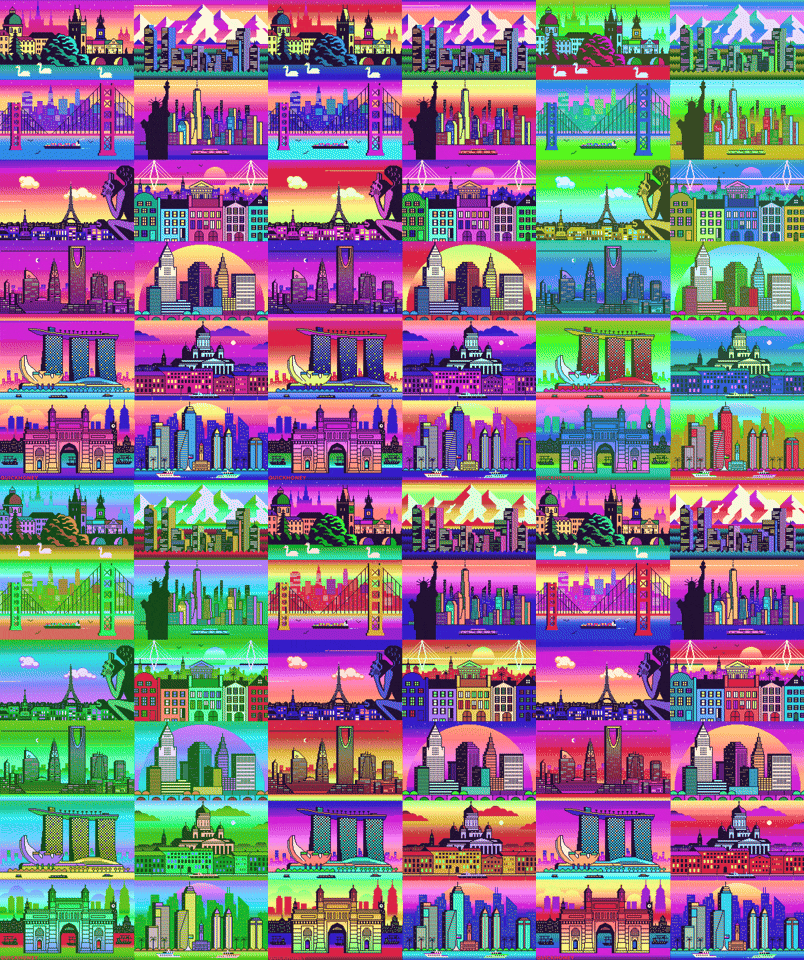
Retro video game animation refers to the way older video games created movement using limited technology. Before modern 3D graphics, games relied on pixel art, sprites, tiles, and simple frame-by-frame animation. Even though early systems had strict limits, developers used creative techniques to make characters, enemies, backgrounds, and attacks feel alive.
In early arcade and home console games, animation was usually made from sprites. A sprite is a small 2D image that can move independently on the screen. Characters like Mario, Sonic, Mega Man, Link, Pac-Man, and Street Fighter fighters were built from sprite frames. When these frames played quickly in sequence, they created the illusion of movement, similar to a flipbook.
Retro animation was shaped by hardware limits. Older consoles had small memory, limited colors, low resolution, and fewer frames available for each action. Because of this, artists had to make every pixel count. A walking animation might only use two to six frames, but strong poses made the movement readable. Good retro animation depended on clear silhouettes, bold colors, and exaggerated motion.
One important technique was frame economy. Since games could not store hundreds of animation frames, artists reused frames whenever possible. A character’s idle pose, attack pose, jump pose, and damage pose had to be simple but expressive. This is why many retro characters have big eyes, oversized gloves, large heads, bright outfits, or dramatic poses. These design choices helped players understand actions instantly.
Arcade games often had smoother animation than home console games because arcade machines were more powerful. Fighting games like Street Fighter II, Mortal Kombat, and King of Fighters used detailed character sprites with many attack frames. Platformers like Super Mario Bros., Mega Man, Castlevania, and Sonic the Hedgehog used faster, simpler animations focused on movement, jumping, and combat.
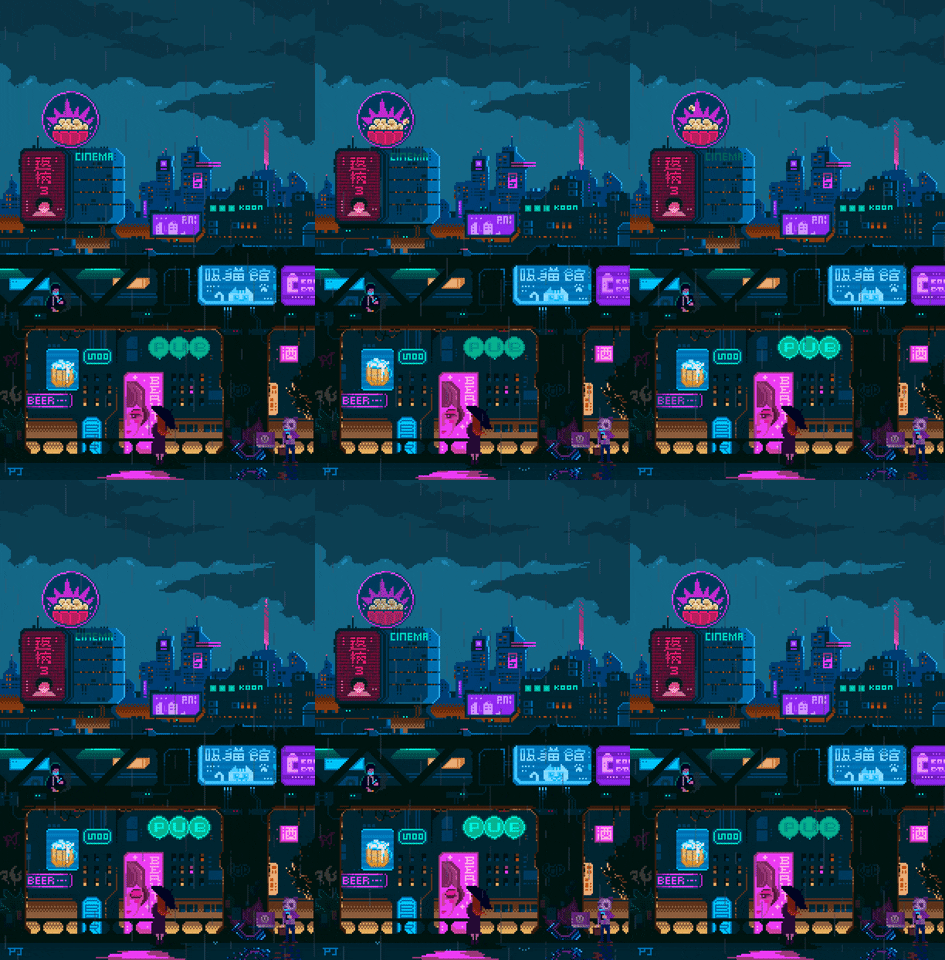
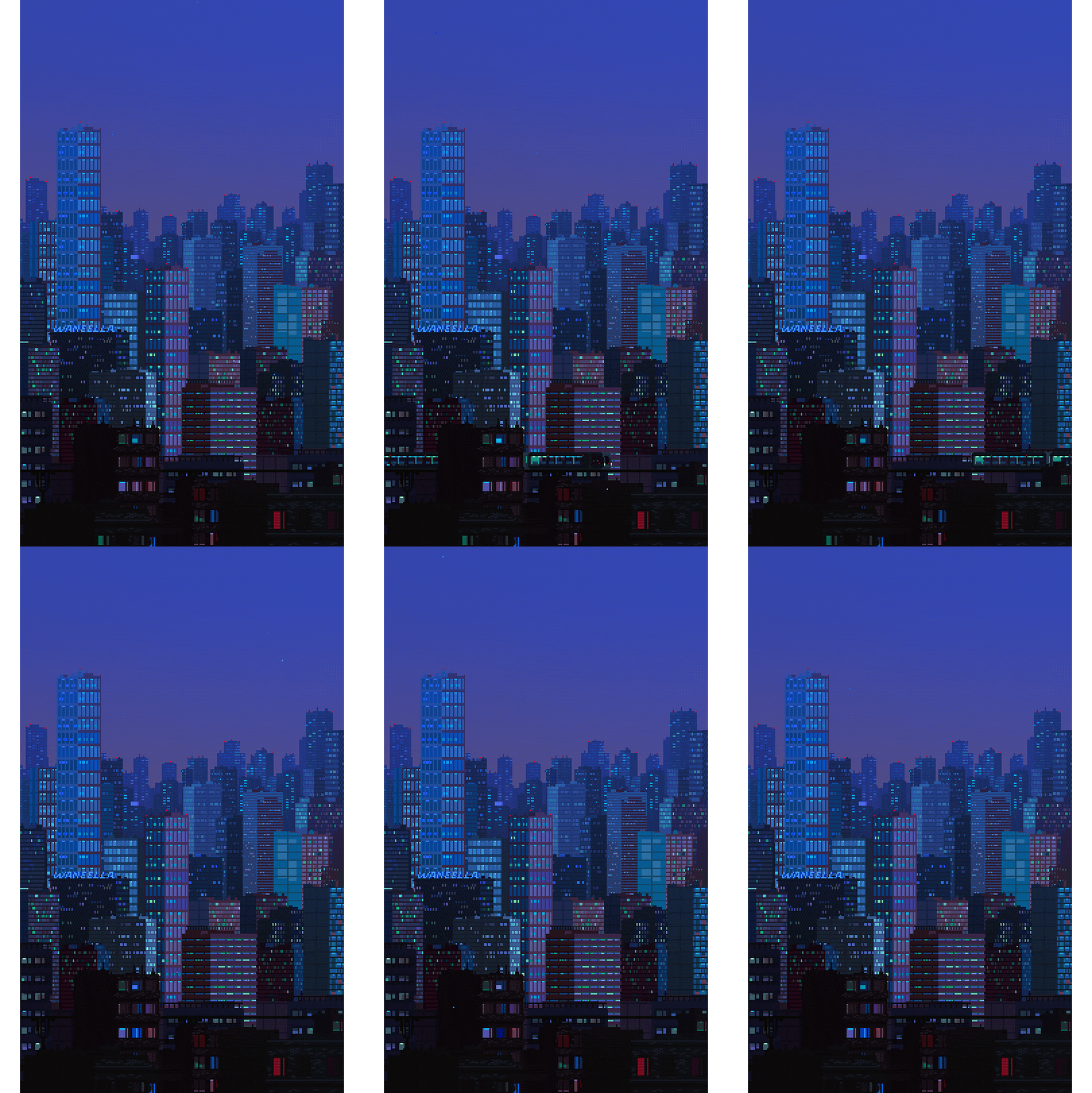
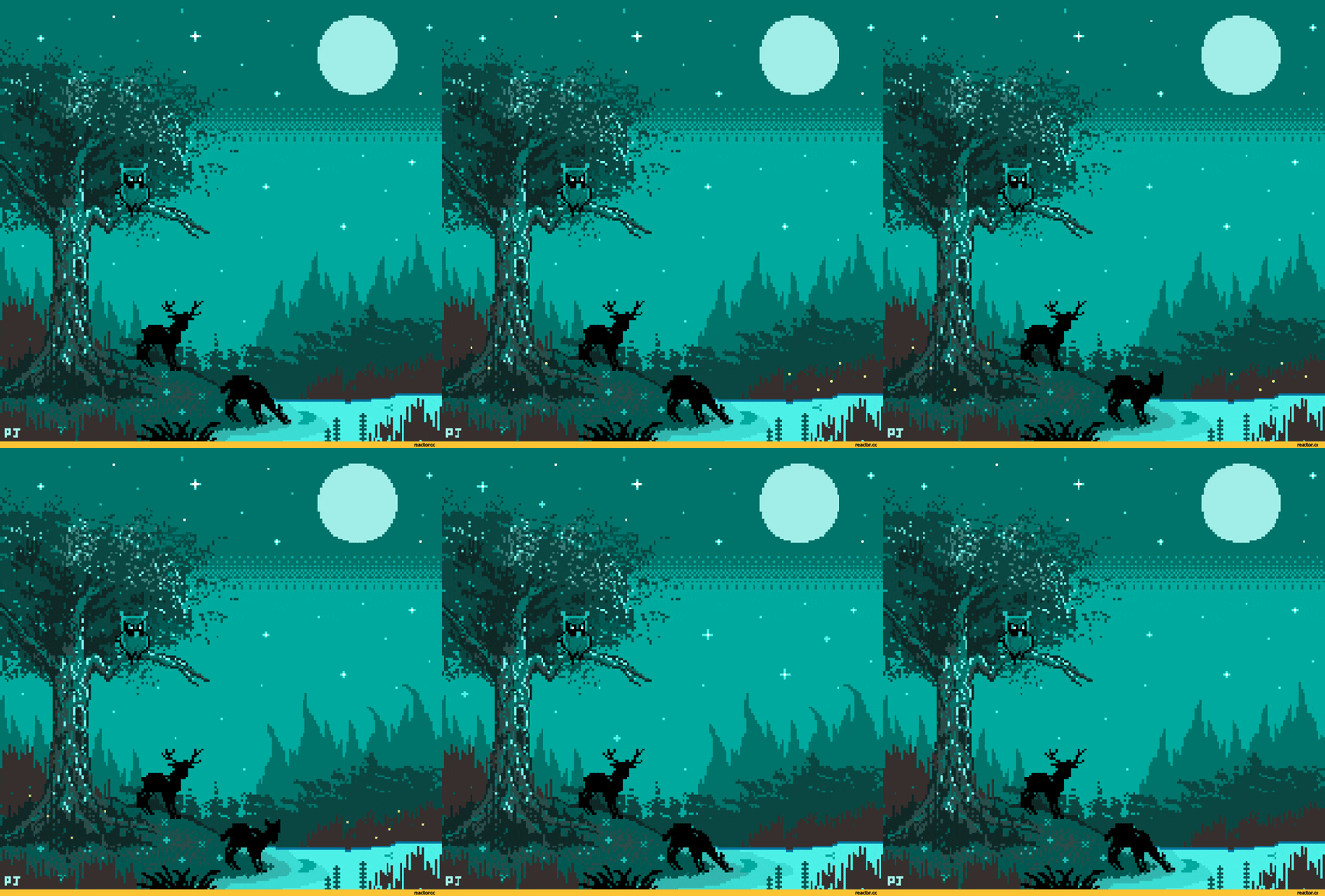
Background animation was also important. Retro games used moving clouds, blinking lights, flowing water, waving grass, lava, stars, and scrolling cityscapes to make worlds feel active. Many games used parallax scrolling, where background layers moved at different speeds to create depth. This made 2D worlds feel bigger and more cinematic.
Retro video game animation also used visual tricks. Developers created explosions with flashing sprites, simulated speed with motion lines, used palette swapping to create glowing effects, and made characters blink or bounce to show personality. Damage effects often used flashing colors because older systems could not show detailed reactions.
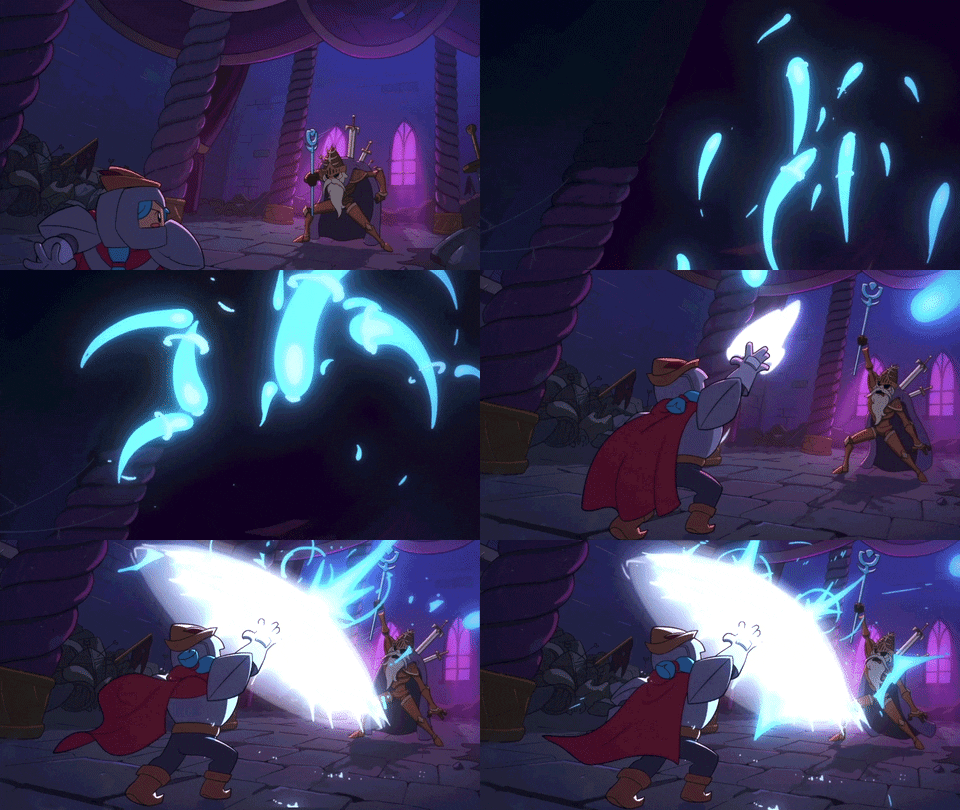
In 16-bit games, animation became more detailed. Consoles like the Super Nintendo and Sega Genesis allowed richer colors, larger sprites, smoother movement, and more expressive characters. Games from this era often had stronger art direction, detailed enemy designs, animated cutscenes, and more dramatic boss fights.
Retro animation is still popular today because it has a handmade, nostalgic style. Modern indie games often copy or remix retro animation through pixel art, limited palettes, chiptune music, and sprite-based movement. Games like these show that retro animation is not just old technology; it is a recognizable art style based on creativity, clarity, and charm.
Facts:
Retro games often used 2D sprites instead of 3D models.
Animation was made by switching between small pixel-art frames.
Older systems had limited memory, so characters usually had fewer animation frames.
Pixel artists had to make characters readable at very small sizes.
Parallax scrolling helped backgrounds look deeper and more realistic.
Many retro games reused sprites to save space.
Flashing effects were often used for damage, invincibility, explosions, or power-ups.
8-bit games usually had simpler animation than 16-bit games.
Arcade games often had larger and smoother sprites than home console games.
Retro animation influenced modern indie games, mobile games, and fan art.